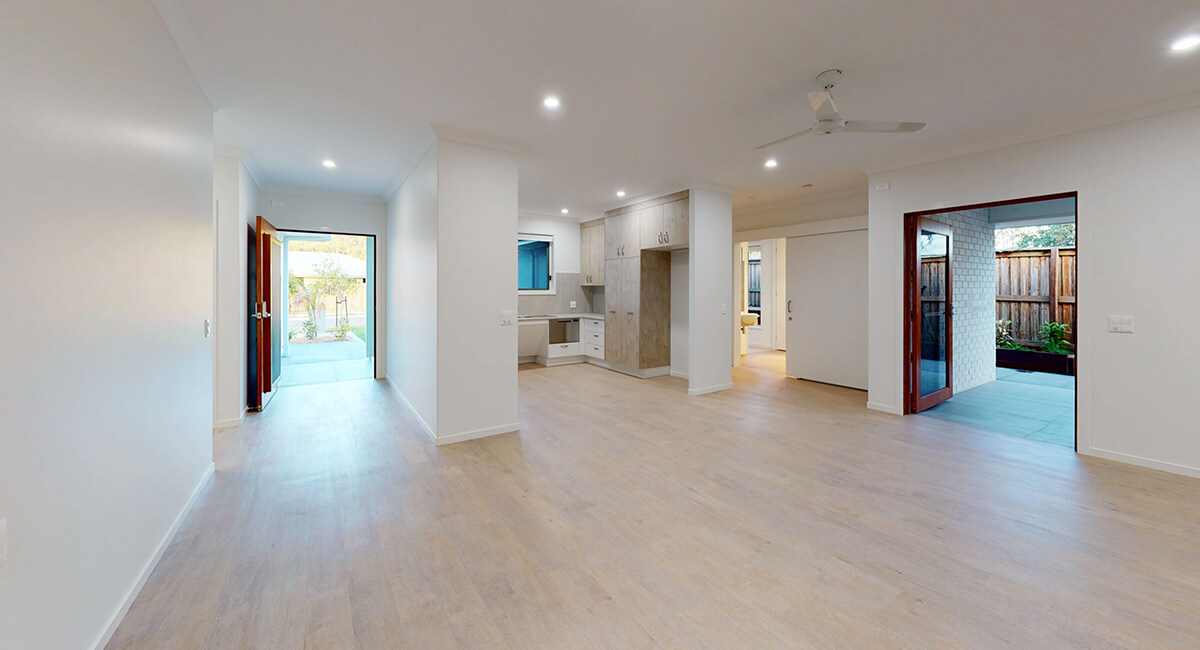
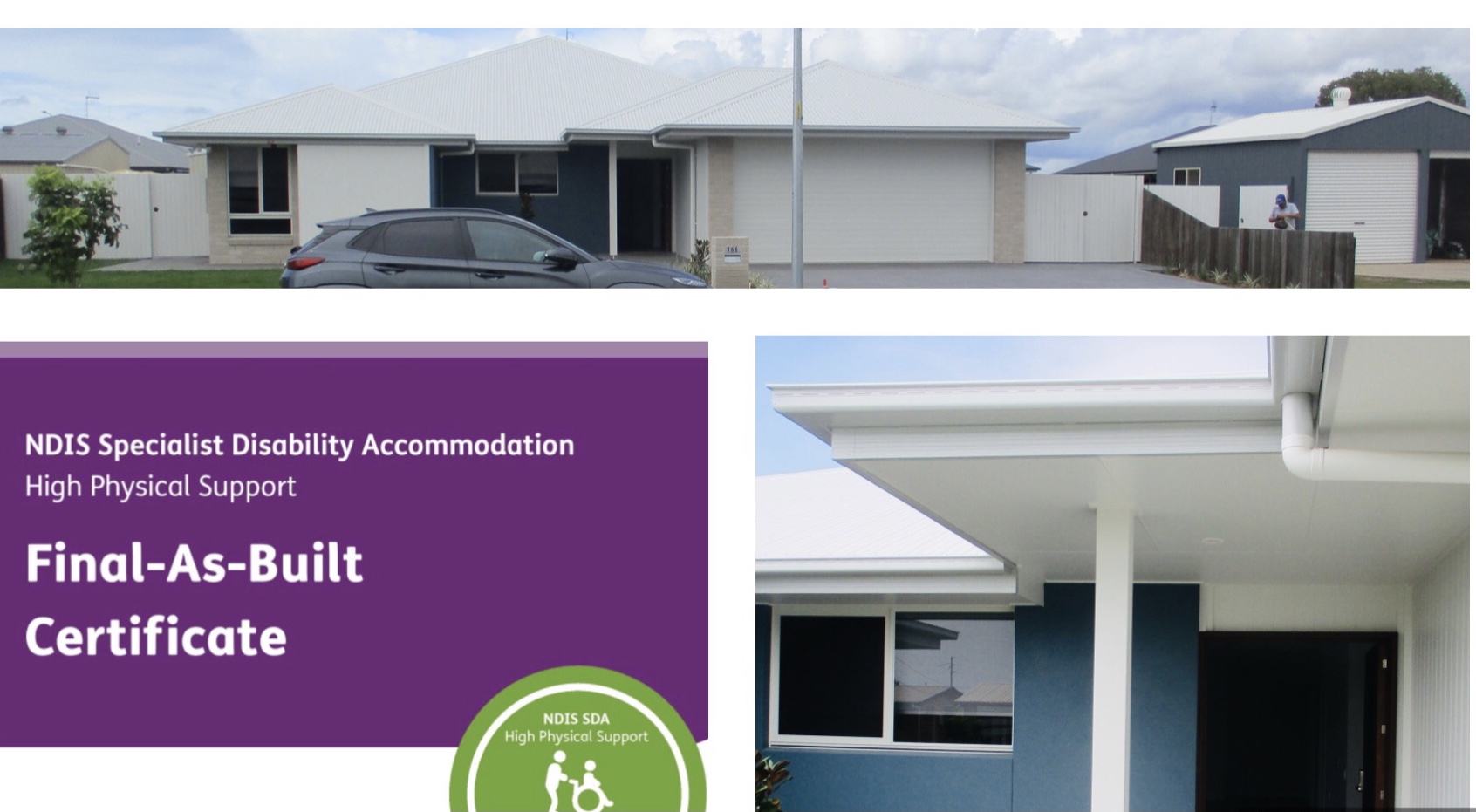
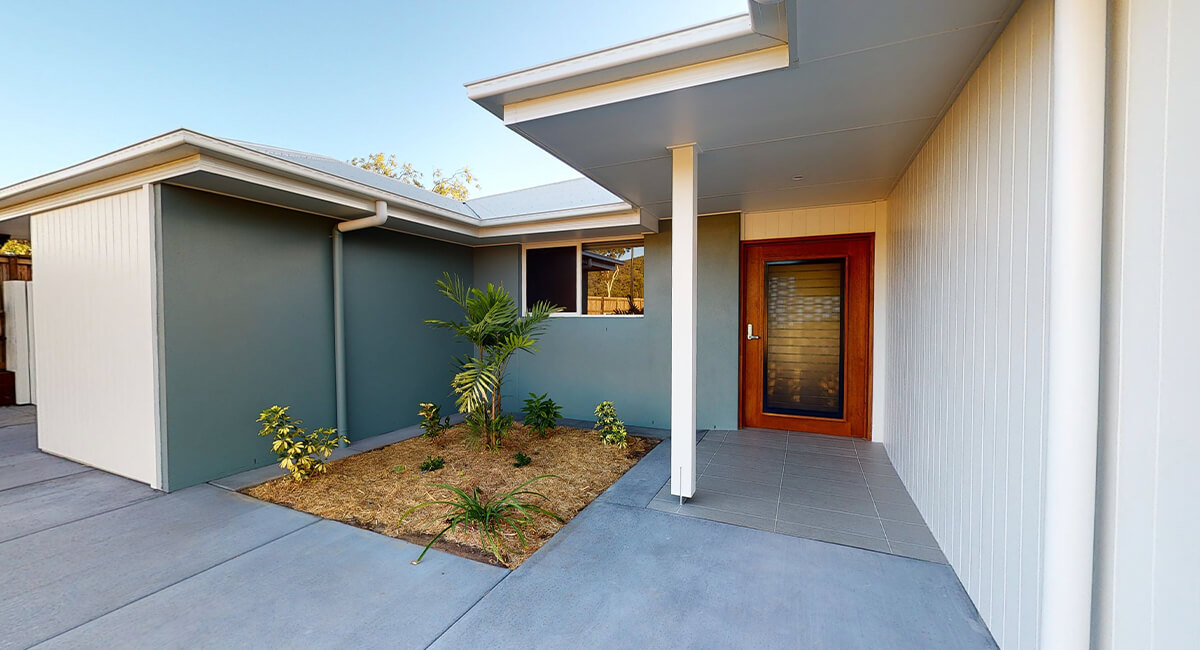
NDIS SDA High Physical Support home in QLD as per the new SDA Design Standard

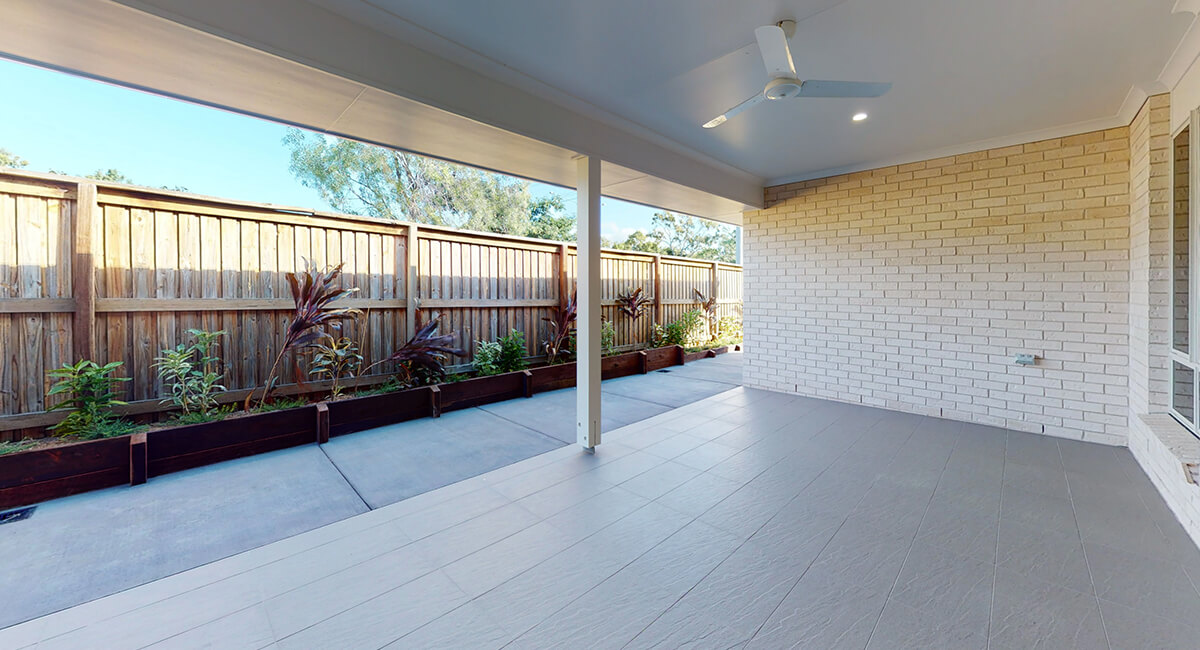
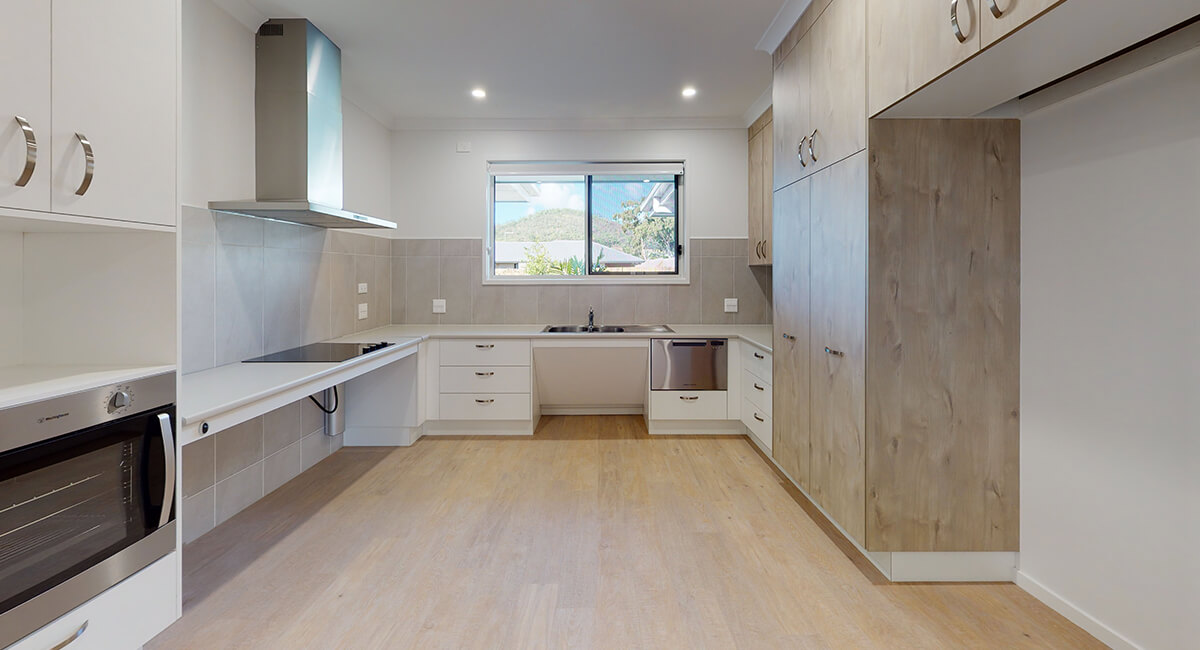
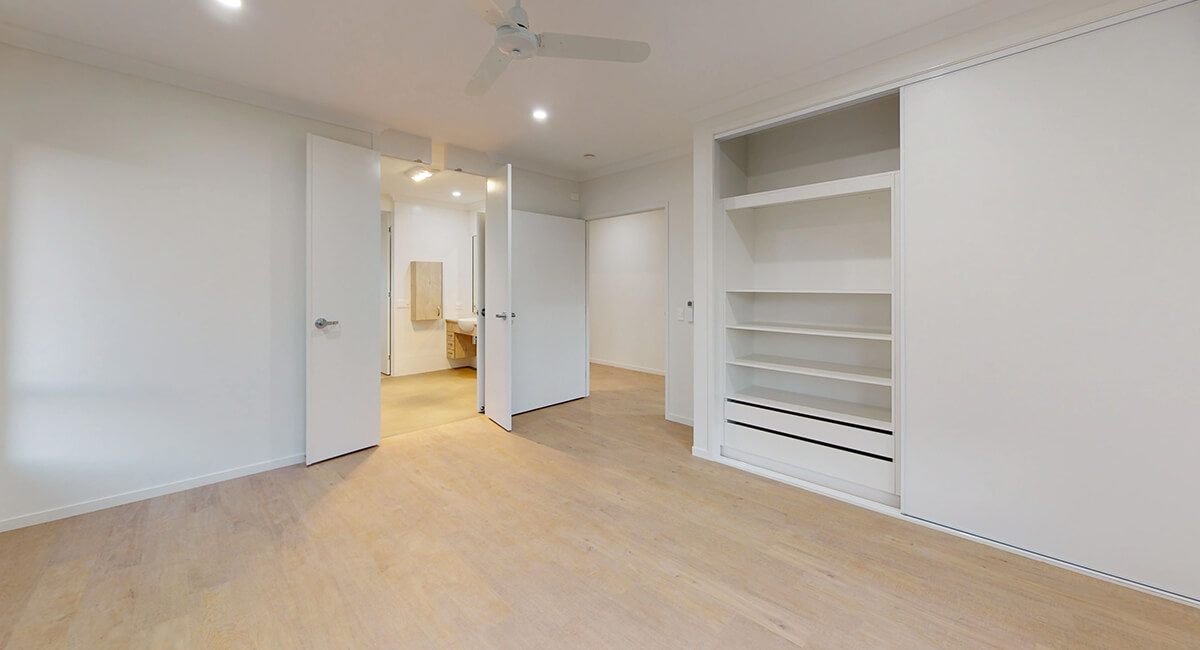
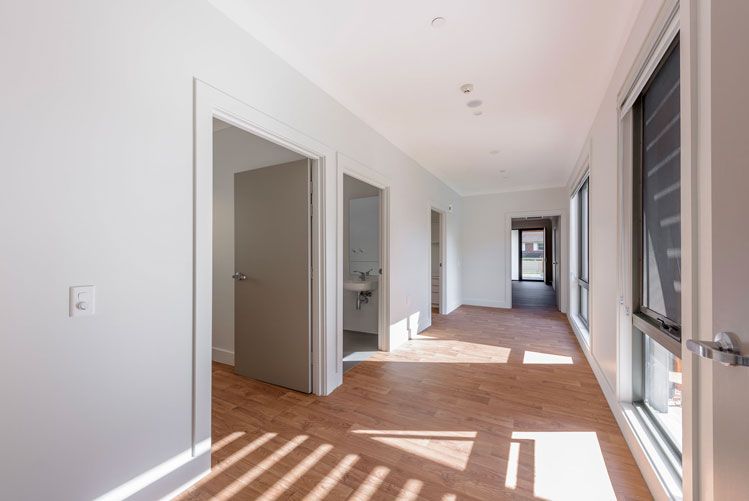
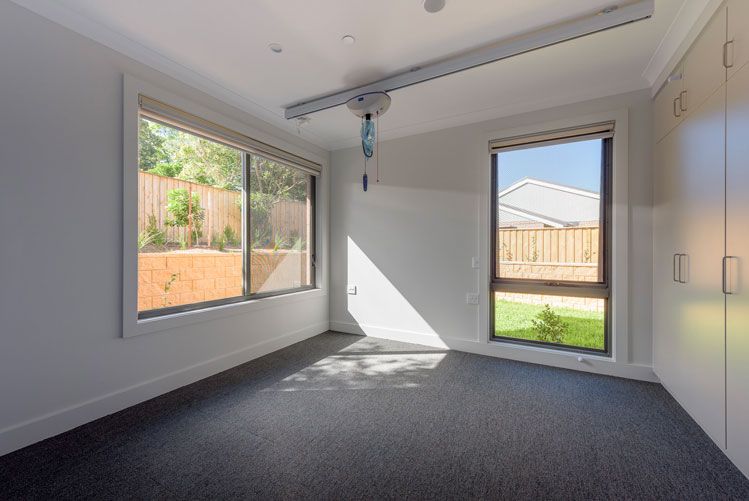
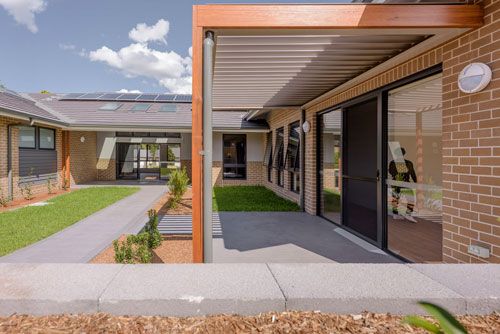
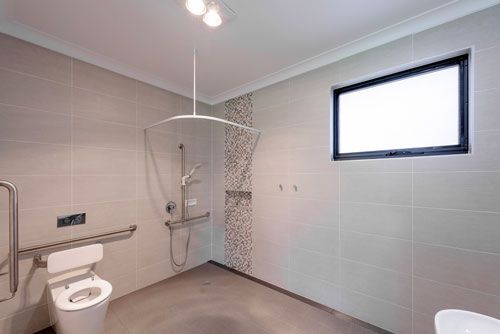
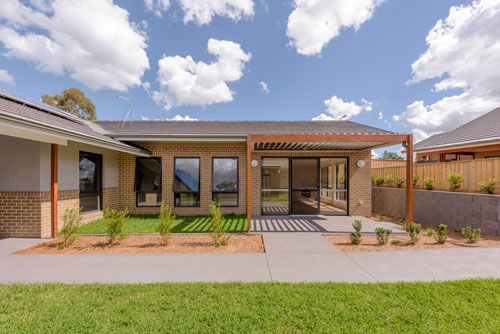
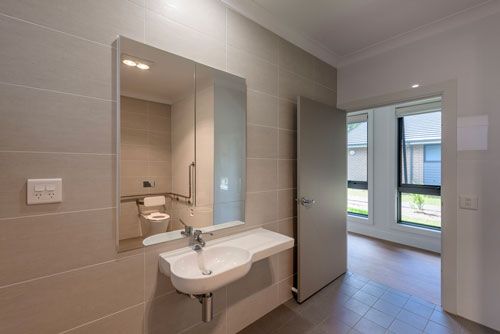
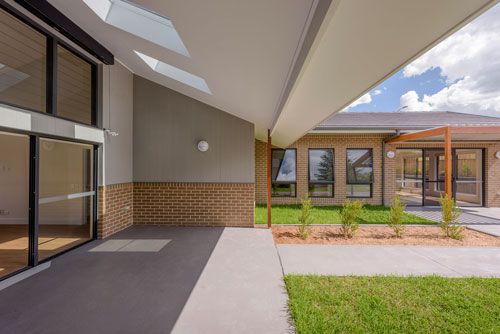
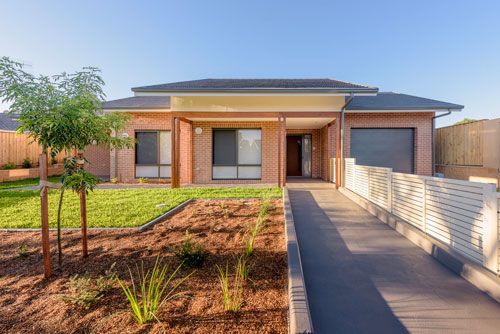
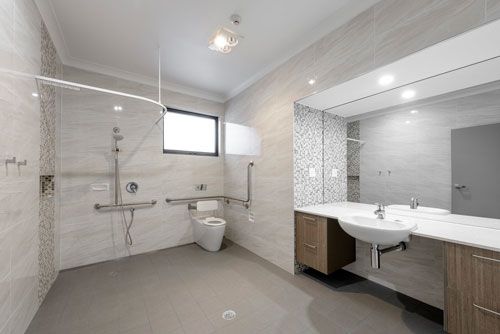
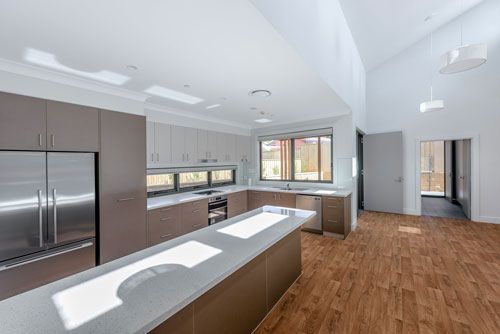
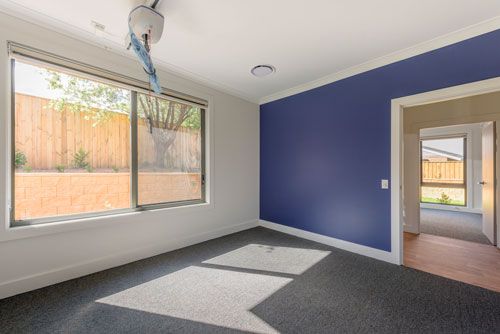
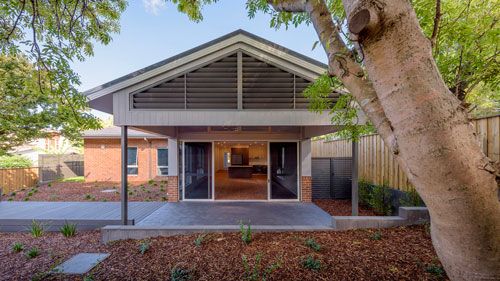
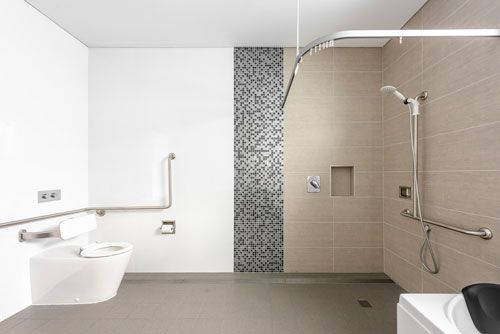
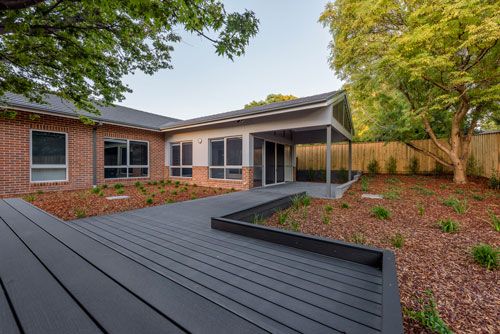
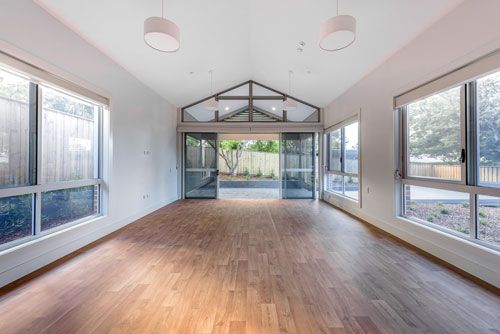
Vista Access Architects are delighted to announce the completion of our very first Final-as-built Certification for an SDA (Specialist Disability Accommodation) HPS (High Physical Support) home in Avenell Heights QLD for our Client Liveable Homes Australia.

SDA Certification is a rigorous process with strict compliance essential with all the requirements of the NDIS SDA Design Standard and we would like to congratulate Liveable Homes Australia for possibly being the first in Australia in achieving the Final-as-built Certification for their beautiful home.

 3D walk through on this link https://liveablehomesaustralia.com.au/3d-sda-house-tour


  6685 Hits

Vista Access Architect certifies first Final-as-built dwelling under the new SDA Design Standard

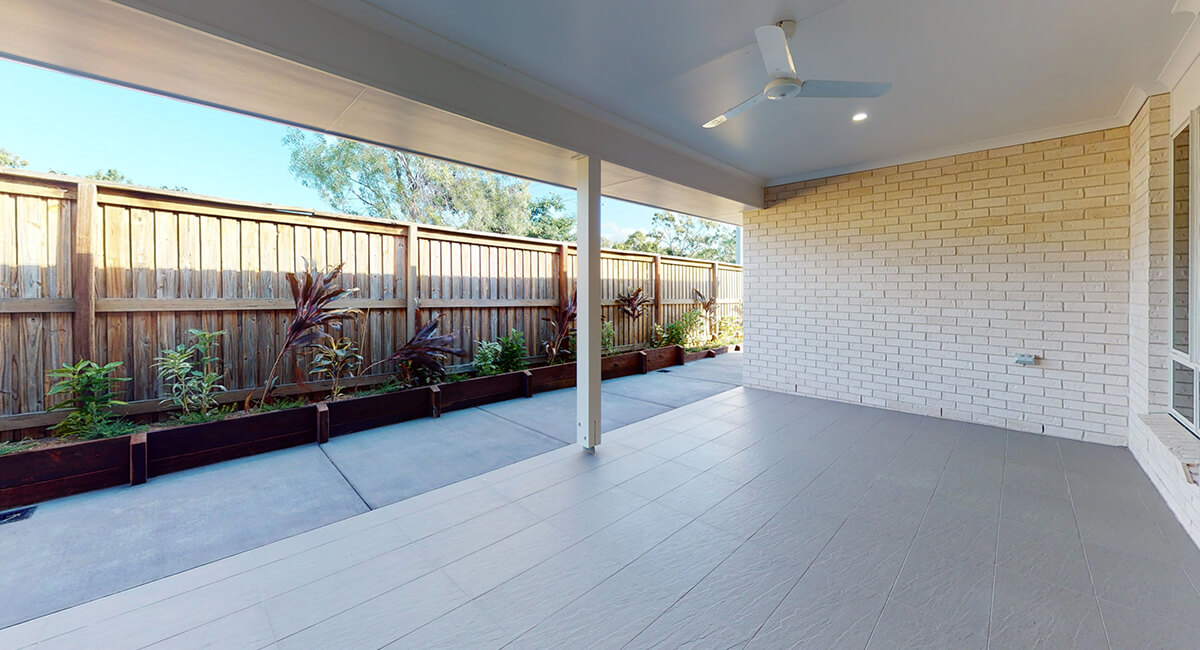
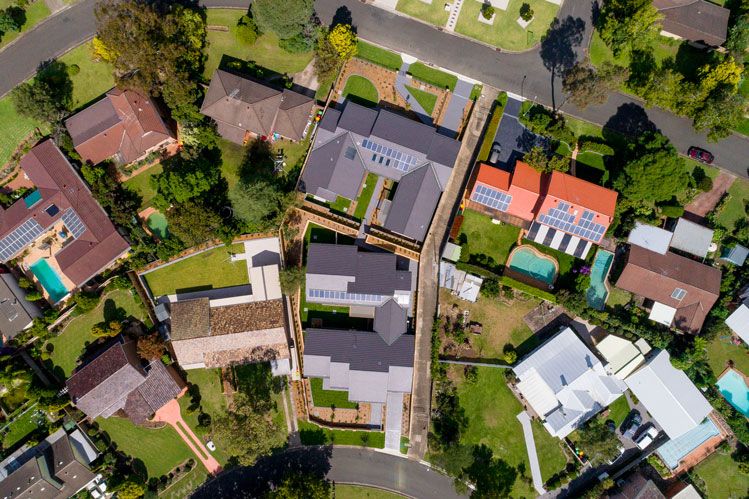
Photo of SDA HPS Asbuilt dwelling

Vista Access Architects are delighted to announce the completion of our very first Final-as-built Certification for an SDA (Specialist Disability Accommodation) HPS (High Physical Support) home in Avenell Heights QLD for our Client Liveable Homes Australia.

SDA Certification is a rigorous process with strict compliance essential with all the requirements of the NDIS SDA Design Standard and we would like to congratulate Liveable Homes Australia for possibly being the first in Australia in achieving the Final-as-built Certification for their beautiful home.

Liveable Homes Australia


 3D walk through on this link https://liveablehomesaustralia.com.au/3d-sda-house-tour

  5398 Hits

New SDA New Build- Existing Stock- Legacy Stock Calculator.

New Build Calculator

The NDIS SDA Price Guide 2020-21 has an Appendix B for Annual Base Price per participant for New Builds, Appendix C for Annual Base Price per participant for Existing Stock and Appendix D for Annual Base Price per participant for Legacy Stock.

However, we regularly get the question in regard to what can be considered as a New Build, Existing Stock and Legacy Stock or none of these and therefore ineligible for SDA. The NDIS SDA Rules 2020 and NDIS SDA Price Guide 2020-21 both have definitions for New Build, Existing Stock and Legacy Stock, however with minor differences in both documents.

To assist with ther determination of New Build, Existing Stock and Legacy Stock or Dwelling not eligible for SDA, Vista Access Architects have created a Calculator which will determine this for you when you respond to 11 Questions in a simple Yes or No format.

https://www.accessarchitects.com.au/ndis-new-existing-legacy-calculator

As usual the standard Disclaimers apply. The calculator is not endorsed by the NDIA and users are advised to make their own inquiries directly with NDIA. Use the calculator at your own risk. Vista Access Architects shall not be held liable for reliance upon results produced by the Calculator.


  5108 Hits

New Build- Existing Stock- Legacy Stock

The NDIS SDA Price Guide 2020-21 has an Appendix B for Annual Base Price per participant for New Builds, Appendix C for Annual Base Price per participant for Existing Stock and Appendix D for Annual Base Price per participant for Legacy Stock.

However, we regularly get the question in regard to what can be considered as a New Build, Existing Stock and Legacy Stock or none of these and therefore ineligible for SDA. The NDIS SDA Rules 2020 and NDIS SDA Price Guide 2020-21 both have definitions for New Build, Existing Stock and Legacy Stock, however with minor differences in both documents.

To break this down first it is important to assess if the Dwelling can be considered to be a New Build. A dwelling that has been built or renovated post April 2016 in some circumstances can also be considered to be a New Build.

To qualify as a 'New Build' under the NDIS SDA, the dwelling needs to comply with the following 5 conditions:

1. Date of Certificate of occupancy; and
2. Total number of residents in the dwelling; and
3. Design requirements of the dwelling; and
4. Density requirements; and
5. Age of the dwelling.

1. Date of Certificate of occupancy.
There are 2 options to comply with this first requirement, noted below as Option A and Option B.
Option A: The very FIRST certificate of occupancy (or equivalent) was issued on or after 1 April 2016. This is important to note the use of the word 'FIRST' in this requirement; or
Option B: The dwelling has been renovated or refurbished and issued with a certificate of occupancy (or equivalent) after 1 April 2016, AND:
i) because of the renovation or refurbishment the dwelling meets the Minimum Requirements for a Design Category other than Basic design as noted in the Table 3 of the SDA Price Guide; and
ii) the cost of the refurbishment is equal to or greater than the amount set out in the SDA Price Guide, Appendix F – Minimum Refurbishment Costs for New Builds ($2019/20)

2. Total number of residents in the dwelling.
There are 2 options to comply with this second requirement, noted below as Option A and Option B.
Option A: It is enrolled to house five or fewer long-term residents (excluding support staff); or
Option B: It is the home of a participant who intends to provide SDA to themselves (as a registered provider) and to reside there with the participant’s spouse or de facto partner and children.

3. Design requirements of the dwelling.
All its shared areas, and the  bedrooms and similar sized private rooms comply with the Minimum Requirements for a Design Category other than Basic design set out in Section 2B, Table 3 of the NDIS SDA Price Guide. Note that new requirements for design apply post 1st July 2021. Read more about the design requirements here.

4. Density requirements.
The SDA developer needs to confirm that the development does not breach the density restrictions for New Builds in s 31 of the SDA Rule 2020s 31 of the SDA Rule 2020. The density restrictions apply when there are multiple dwellings on a single parcel of land. For more information on Density requirements, read our article on Density requirements or use our SDA Density Calculator.

5. Age of the dwelling.
Fewer than 20 years should have elapsed from the date the certificate of occupancy (or equivalent) in Condition 1 of the Definition of New Build above was issued.
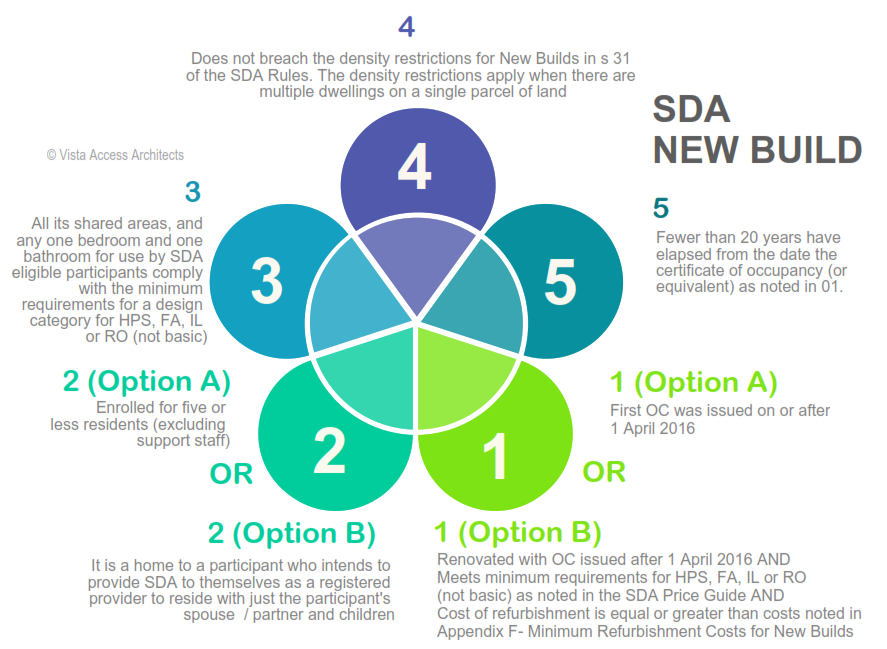
 

New Build SDA Vista Access

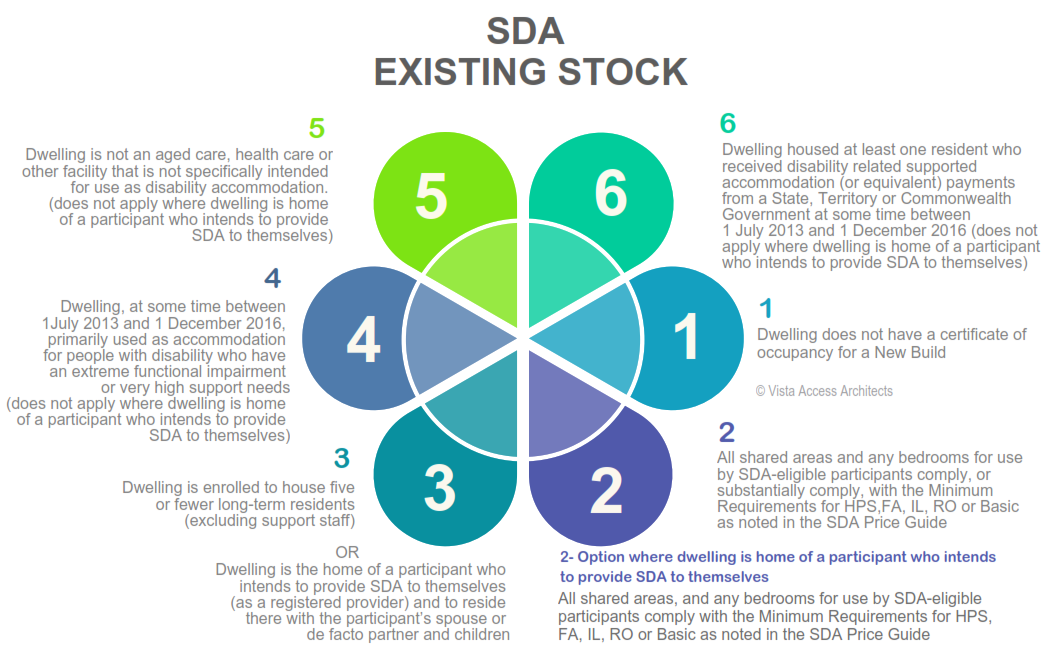
To qualify as a 'Existing' under the NDIS SDA, the dwelling needs to comply with the following 6 conditions:

1. Certificate of occupancy; and
2. Design requirements of the dwelling; and
3. Total number of residents in the dwelling; and
4. Use of Dwelling between 1 July 2013 and 1 Dec 2016; and
5. Type of the dwelling; and
6. Previous funding received by resident of the dwelling.


1. Certificate of occupancy.
The dwelling does not have a certificate of occupancy for a New Build

2. Design requirements of the dwelling
There are 2 options to comply with this second requirement, noted below as Option A and Option B.
Option A: All shared areas and any bedrooms for use by SDA-eligible participants comply, or substantially comply, with the Minimum Requirements for HPS,FA, IL, RO or Basic as noted in the SDA Price Guide OR
Option B: Where dwelling is home of a participant who intends to provide SDA to themselves- All shared areas, and any bedrooms for use by SDA-eligible participants comply with the Minimum Requirements for HPS,FA, IL, RO or Basic as noted in the SDA Price Guide

3. Total number of residents in the dwelling
Dwelling is enrolled to house five or fewer long-term residents (excluding support staff) OR
Dwelling is the home of a participant who intends to provide SDA to themselves (as a registered provider) and to reside there with the participant’s spouse or de facto partner and children

4. Use of Dwelling between 1 July 2013 and 1 Dec 2016.
Dwelling, at some time between 1 July 2013 and 1 December 2016, primarily used as accommodation for people with disability who have an extreme functional impairment or very high support needs. (This requirement does not apply where dwelling is home of a participant who intends to provide SDA to themselves).

5. Type of the dwelling.
Dwelling is not an aged care, health care or other facility that is not specifically intended for use as disability accommodation. (This does not apply where dwelling is home of a participant who intends to provide SDA to themselves)
6. Previous funding received by resident of the dwelling.
Dwelling housed at least one resident who received disability related supported accommodation (or equivalent) payments from a State, Territory or Commonwealth Government at some time between 1 July 2013 and 1 December 2016. (This does not apply where dwelling is home of a participant who intends to provide SDA to themselves)

Existing SDA Vista Access


To qualify as a 'Legacy' under the NDIS SDA, the dwelling needs to comply 

- All requirements for Existng Stock; except, no concessions are available for Participant intending to provide SDA to themselves as a registered provider and the dwelling is enrolled to house more than five long-term residents (excluding support staff).
 

  7843 Hits

Dwelling types eligible for SDA (Specialist Disability Accommodation) funding and OOA

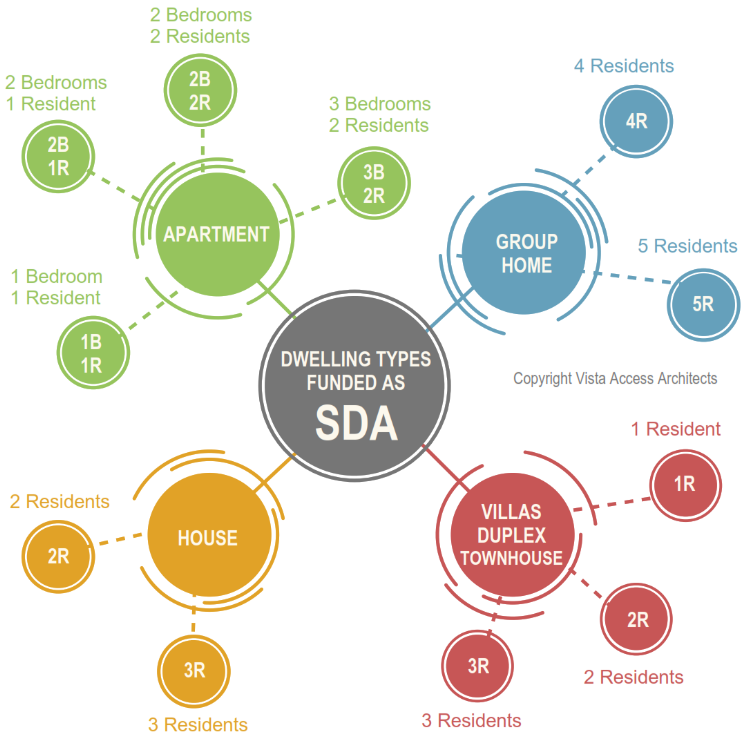
Funding of the types of dwelling eligible for SDA funding are noted in NDIS (National Disability Insurance Scheme) SDA Price Guide. Therefore, to seek SDA funding the SDA dwelling is required to fit into one of the below dwelling types.

SDA dwelling types 2
Types of funded SDA dwellings:

  • Apartment, 1 bedroom, 1 resident- In this case the apartment with one bedroom will be for exclusive use of one Participant.
  • Apartment, 2 bedrooms, 1 resident - In this case the apartment with two bedrooms will have one bedroom for exclusive use of one Participant and one non-SDA bedroom.
  • Apartment, 2 bedrooms, 2 residents- In this case the apartment with two bedrooms will have two bedrooms for use by two Participants (one each).
  • Apartment, 3 bedrooms, 2 residents- In this case the apartment with three bedrooms will have two bedrooms for use by two Participants (one each) and one non-SDA bedroom.
  • Villa/duplex/townhouse, 1 resident
  • Villa/duplex/townhouse, 2 residents
  • Villa/duplex/townhouse, 3 residents
  • House, 2 residents
  • House, 3 residents
  • Group Home, 4 residents
  • Group Home, 5 residents

The OOA (On-site Overnight Assistance) requirements will depend on the type of the SDA dwelling.

OOA 2

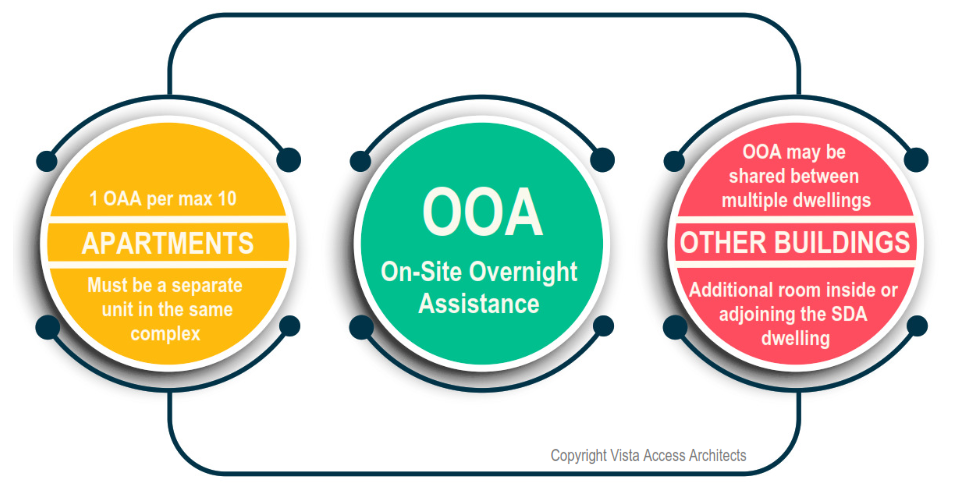
The On-site Overnight Assistance (OOA) amount is an additional amount that is paid when an additional space or apartment is provided for use by support staff who provide 24-hour support services to SDA participants living in the same dwelling or same apartment complex. The type of OOA depends on the SDA Building Type as shown below.

 APARTMENTS  OTHER BUILDINGS
The OOA must be a separate apartment in the same apartment complex as the SDA apartment.  The OOA can be in an additional room inside or adjoining the dwelling(s).
The OOA amount is not paid when the OOA space is an additional room in a SDA apartment. The OOA may be shared between multiple dwellings, but it can only be claimed against one dwelling.
The OOA amount for one separate OOA apartment is payable for a maximum of 10 SDA apartments.   
 No OOA amount is payable once the OOA amount has been added for 10 SDA apartments.  


Common questions we receive with regards to OOA

Question: I have a 3 Bedroom SDA apartment with only 2 Participants. Can I use the third bedroom for OOA?

Answer: This scenario is not permitted for OOA payment under the Price Guide.

Question: I have 15 SDA Apartments that require OOA. Can I claim OOA payment for all 15 SDA apartments if I provide one OOA apartment?

Answer: OOA is paid per maximum of 10 SDA Apartments. Therefore, for 15 SDA units to receive the OOA funding, 2 OOA apartments will be required. If only one OOA is provided, then OOA would be payable to 10 SDA apartments and not payable on 5 SDA apartments.

Question: I have a 5-bedroom Group home, can I provide one of these rooms as OOA?

Answer: Yes, if you have 4 Participants then the 5th bedroom can be provided as OOA. 

Question: Can an OOA room be designed as an office without a bed provided?

Answer: There are no set requirements for provision of a bed in an OOA room, though it is important to remember that OOA room will be used by the SIL provider to be on site (24 hours). Therefore, even though not mandated, we would recommend a space for a bed in the OOA room.


New advice as received from NDIA on the 11th of November 2022

Question: To claim OOA funding for apartments, can a OOA room be provided instead of a full apartment? 
 
Answer: No. Where OOA funding is claimed for an apartment, the OOA needs to be a full apartment which would consist of a bedroom, living room, kitchen, and bathroom. A studio-style apartment cannot be used for OOA. 

The date of effect for Overnight Assistance studio apartments not being acceptable is as per the table below.  NDIA will require dated evidence to this effect.

Studio apartments not accepted as OOA- 

SDA Design Stage Certification submitted to the NDIA prior to 4 December 2021 Development Application dated after 11 November 2022

Studio apartments accepted as OOA- 

Development Applications dated between 4 December 2021 and 11 November 2022

Liked our article? Follow us on LinkedIn for more articles on SDA or contact us on admin@accessarchitects.com.au

Disclaimer: Thís article is based on Vista Access Architect’s personal interpretation of requirements. This article is not endorsed by the NDIA and users are advised to make their own inquires directly with NDIA.

  19876 Hits

Vista Access Architects are now registered as NDIS Accredited SDA Assessors

SDA Assessors BlogIs your SDA (Specialist Disability Accommodation) Assessor a NDIS Accredited SDA Assessor?
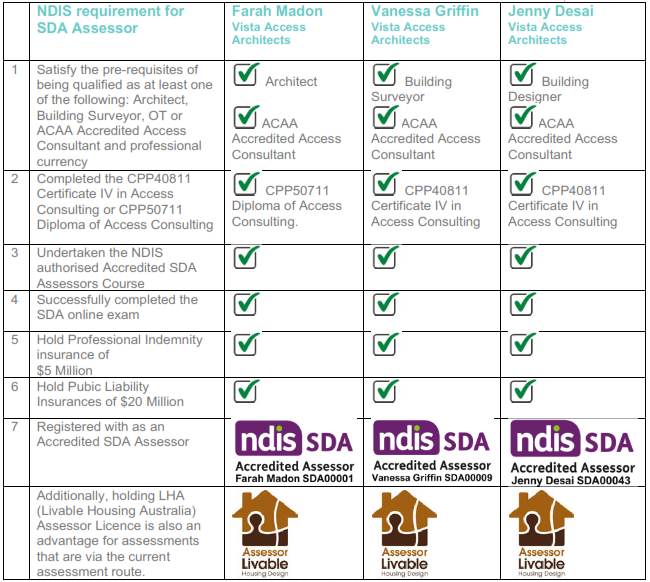
NDIS SDA (Specialist Disability Accommodation) Assessments and Certifications under the new NDIS SDA Design Standard can only be provided by an NDIS Accredited SDA Assessor. Accredited SDA licences have just started being rolled out to eligible applicants by Livable Housing Australia.

Vista Access Architects are delighted to announce that we now have 3 NDIS Accredited SDA Assessors in our team.


Following are the requirements to become an Accredited SDA Assessor as set by the NDIA.

VAA SDA assessors

Below are the NDIA requirements in regards to the independence of the Accredited SDA Assesor

The Accredited SDA Assessor must be an independent third party i.e. independent of the project Architect or Builder or Building Certifier.

At both Design (Provisional) and Final-as-built stage, the Accredited SDA Assessor cannot have a connection to the applicant, for example by way of employment or some other contractual relationship.

An Accredited SDA assessor cannot certify, at both Design (Provisional) and Final-as-built-stage, any project that has been designed (in their capacity of an Architect) or constructed by themselves (in their capacity as the Builder) or other review services (in their capacity as the BCA consultant or Private Building Certifier).

This also extends to another employee or contractors in the company associated with the project. For example, a firm with multiple architects cannot have one Architect
design and another Architect within the same firm certify the project. This is essential to maintain independence and integrity of assessment.

Accredited SDA Assessors certifying dwellings at either Design (Provisional) stage or Final as Built stage must be a third party to the builder, developer and SDA Registered Provider.

Contact us on admin@accessarchitects.com.au for a fee proposal to assess and certify your SDA development.

  5896 Hits

Location factor for NDIS Specialist Disability Accommodation (SDA)

The SDA price for a particular dwelling depends on the location of the dwelling. To derive an SDA price limit for a particular dwelling, the Base Price (before the fire sprinkler allowance) is multiplied by the Location Factor relevant to the property’s location and Building Type. The location factor is noted in Appendix E – of the NDIS SDA Price Guide 2019-20. The Location Factors applied in SDA Price Guide are based on Australian Bureau of Statistics (ABS) Statistical Area 4 regions.

Location SDASo what is SA4 area?

Statistical Areas Level 4 (SA4) are geographical areas which have been designed for the output of a variety of regional data, including data from the 2016 Census of Population and Housing. There are 107 SA4 regions covering the whole of Australia without gaps or overlaps.

The SA4s were designed using several criteria which reflect a balance between respective considerations such as population and labour markets. For example, a population of minimum of 100,000 persons was set for the SA4s, with some exceptions to this in regional and metropolitan areas.

Labour markets were also a key consideration in the design of SA4s. The reason for this is that Labour force data has two geographic components to it - the labour supply (where people live) and demand (where people work).


How do you find what SA4 area applies to your SDA Dwelling?

The Australian Bureau of Statistics website has the information you need to determine the SA4 area.

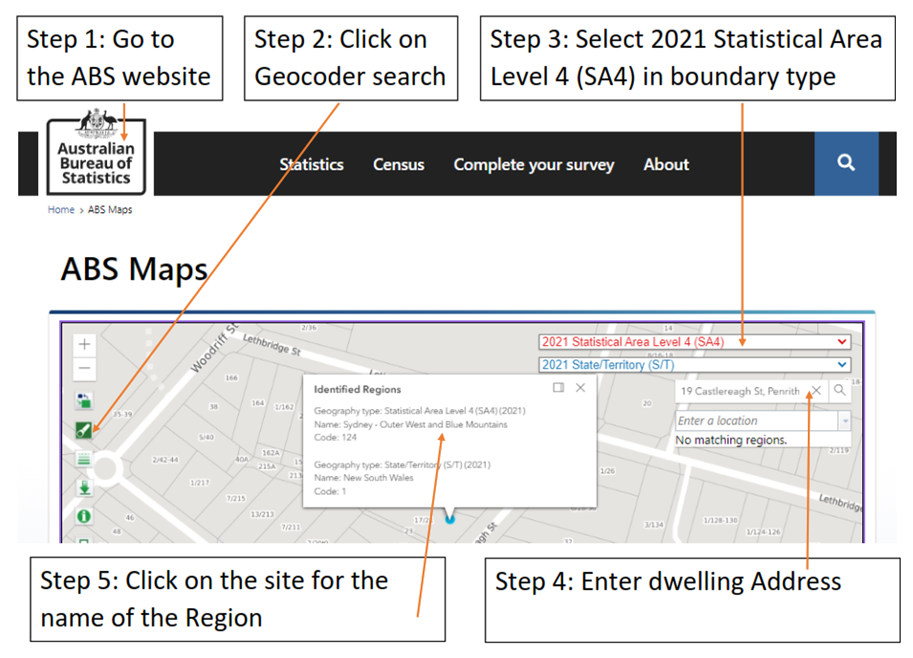
Step 1: Go to the ABS (Australian Bureau of Statistics) website

Step 2: Select the icon for "Geocoder search"

Step 3: In the field that says “Choose a boundary type” select “2021 Statistical Area Level 4 (SA4)” from the drop-down options.

Step 4: Input the dwelling address.

Step 5: Click on the map and the results will be displayed as shown below.

Geography type: Statistical Area Level 4 (SA4) (2021) 
Name: Sydney - Outer West and Blue Mountains 
Code: 124 
 
The resulting name field (shown highlighted above) is the SA4 Location. 


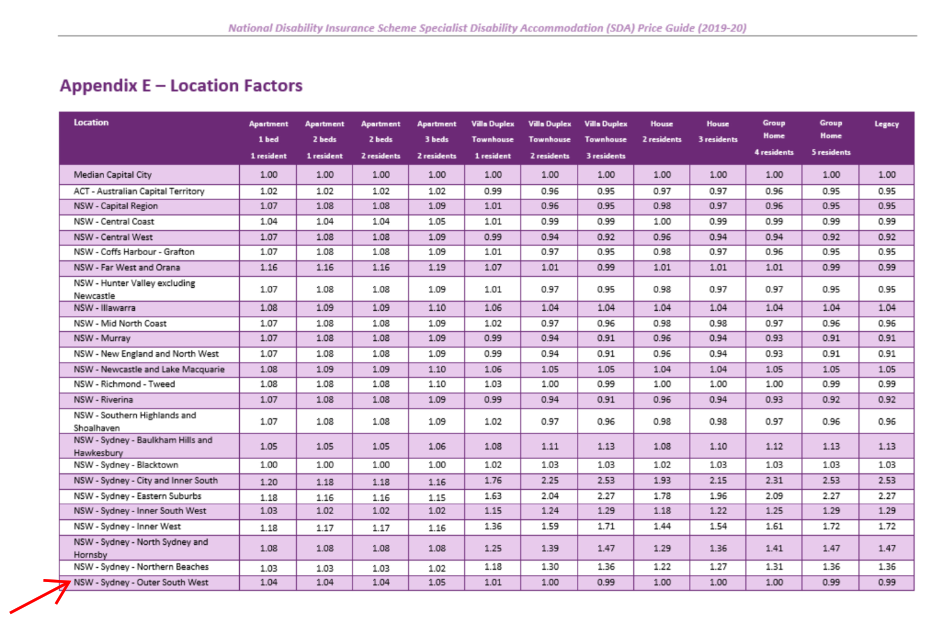
Once the name of the location area is determined by the above steps, it is as easy as locating the area in the location column of the Appendix E – of the NDIS SDA Price Guide to obtain the Location Factor based on a particular dwelling type.

Image above is a snapshot of Appendix E-Location Factor of the NDIS SDA Price Guide


[Image description: Image above is a snapshot of Appendix E-Location Factor of the NDIS SDA Price Guide]

Liked our article? Follow us on LinkedIn for more articles on SDA or contact us on admin@accessarchitects.com.au

Disclaimer: This article is based on Vista Access Architect’s personal interpretation of what determines Location factor. This article is not endorsed by the NDIA and users are advised to make their own inquires directly with NDIA.

  12573 Hits

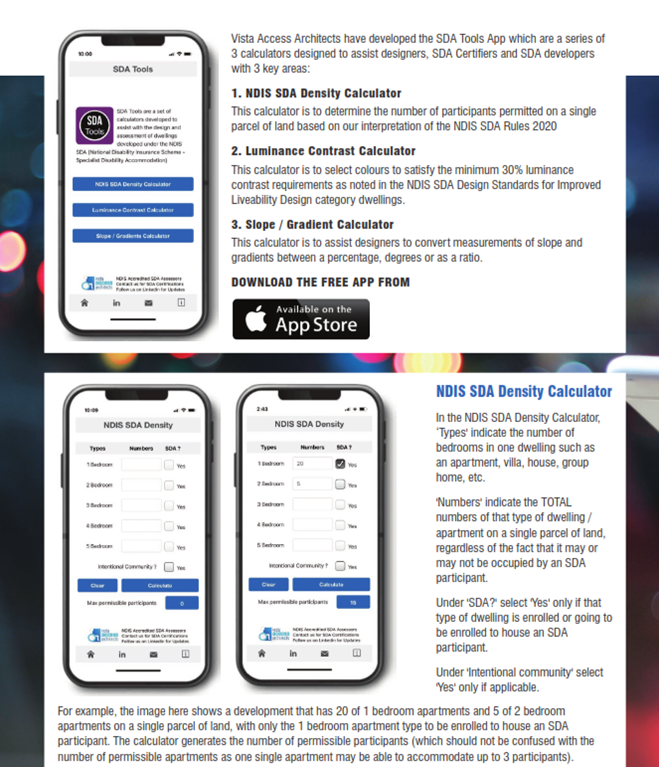
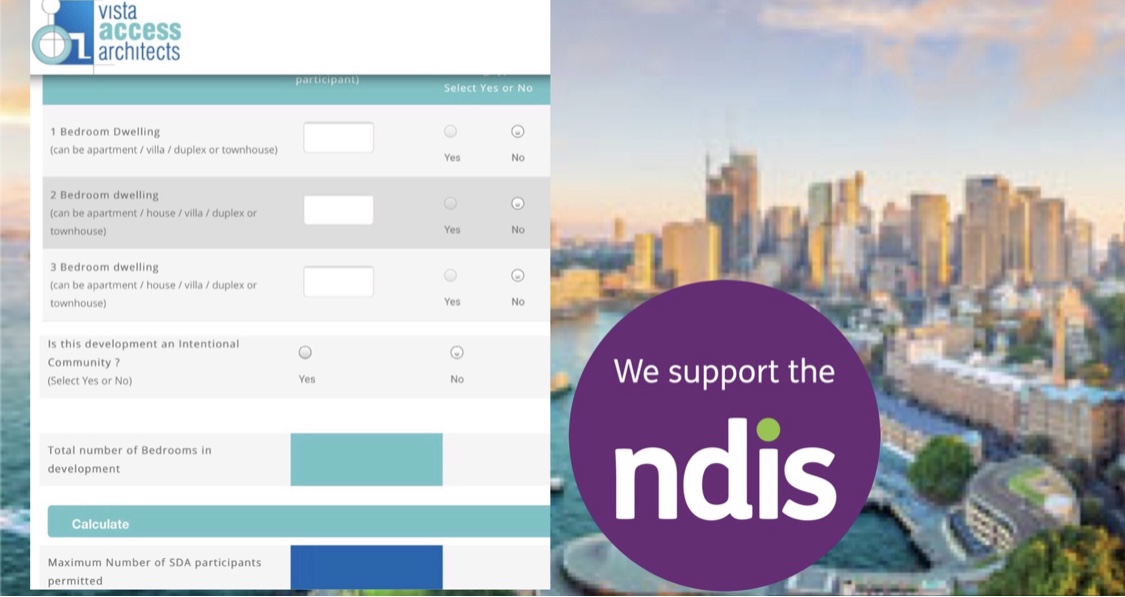
NDIS SDA Density Rules and Density Calculator

Calculator NDIS SDA Density11

SDA Density Restrictions

"How many SDA participants can be accommodated in a development and in particular in a multi-unit residential building?". This is a very common question that we are asked by SDA developers and the answer is not that straightforward.

There are several factors to consider including the total number of people that can be accommodated in the building, the configuration of units/dwellings available and the particular configuration of the unit/dwelling that the SDA participant will occupy.

To break down the requirements, we need to understand the following:

1. NDIS document that discusses Density Restrictions.

The document that discusses the density requirements is the National Disability Insurance Scheme (Specialist Disability Accommodation) Rules 2020, ItemSubdivision C—Density restriction 

31 Density restriction

(1) The density restriction applies in relation to a parcel of land if:
(a) the parcel of land has 2 or more dwellings; and
(b) at least one of those dwellings is either: (i) a new build; or (ii) existing stock.

(2) If the density restriction applies in relation to a parcel of land, the total number of eligible participants that can receive funding for specialist disability accommodation in relation to all dwellings located on the parcel of land must not exceed:

(a) if one of the dwellings on the parcel of land is enrolled to house 3 or more residents—the greater of the following:
(i) 10 eligible participants;
(ii) 10% of the total number of residents capable of residing on the parcel of land, assuming one resident per bedroom;

or

(b) if all of the enrolled dwellings on the parcel of land are enrolled to house no more than 2 residents and the dwellings are part of an intentional community—the greater of the following:
(i) 15 eligible participants;
(ii) 25% of the total number of residents capable of residing on the parcel of land, assuming one resident per bedroom;

or

(c) if all of the enrolled dwellings on the parcel of land are enrolled to house no more than 2 residents and the dwellings are not part of an intentional community—the greater of the following:
(i) 15 eligible participants;
(ii) 15% of the total number of residents capable of residing on the parcel of land, assuming one resident per bedroom.

2. Undersatnding words that are noted NDIS SDA Rules 2020 that deal with Density Restrictions.

a. ‘A parcel of land’ (defined under NDIS SDA rules 2020)

A parcel of land is:
(a) for land in New South Wales:
(i) the land that forms a parcel for the purposes of the Strata Schemes Development Act 2015 (NSW); or
(ii) the land that forms a community parcel, neighbourhood parcel of precinct parcel for the purposes of the Community Land Development Act 1989 (NSW); or
(iii) for land not covered by subparagraph (i) or (ii)—the land covered by a folio of the Register for the purposes of the Real Property Act 1900(NSW);
or
(b) for land in Victoria:
(i) the land covered by a registered plan for the purposes of the Subdivision Act 1988 (Vic.); or
(ii) for land not covered by subparagraph (i)—the land covered by a folio of the Register for the purposes of the Transfer of Land Act 1958 (Vic.);
or 
(c) for land in Queensland:
(i) the land covered by a mixed use scheme for the purposes of the Mixed Use Development Act 1993 (Qld); or
(ii) the land covered by a building units plan or a group titles plan for the purposes of the Building Units and Group Titles Act 1980 (Qld); or
(iii) the land covered by a community titles scheme for the purposes of the Body Corporate and Community Management Act 1997 (Qld); or
(iv) for land not covered by subparagraphs (i) to (iii)—the land that comprises a lot for the purposes of the Land Title Act 1994 (Qld);
Other rules apply for other states and territories.

b. ‘Ennrolled dwelling
is a dwelling that complies with all the requirements of NDIS SDA which would then enable it to be enrolled with the NDIS as an SDA dwelling.

c. ‘Participant’ (defined under NDIS Act 2013)
means a person who is a participant in the National Disability Insurance Scheme. In this case the participant means a person who is funded for SDA.

d. ‘Residents
are the total number of occupants of the entire development on a single parcel of land. Total resident numbers are determined on the assumption that one resident occupies one bedroom. This means that the number of participants with SDA in their plan intended to reside in the dwelling may be lower than the number of residents for which the dwelling is being enrolled. Example, a three bedroom apartment could have 2 participants and 1 non SDA resident.

e. ‘Intentional communities’(Defined under NDIS SDA rules 2020)
An intentional community is a residential community with the following features:
(a) the community is designed to have a high degree of social cohesion,achieved through teamwork and agreed shared values;
(b) the members of the community have chosen to live together based on common social values and have committed to the principle of mutual support;
(c) the community has a defined and explicit agreement under which residents have agreed to live in accordance with shared common values, including the principle of mutual support;
(d) the community is controlled by the members or residents and is not governed by a single entity such as a support provider;
(e) the community includes general market housing, and is not solely designed to provide supported accommodation services.

3. What does 'enrolled to house 3 or more residents' mean?

The Clauses on density, permits the SDA participant numbers to be 10% or 15% of the total number of residents based on type of dwelling being enrolled (example 1 or 2 bedroom dwelling verses 3 or more bedroom dwelling). Therefore the applicable percentage is based on whether a SDA participant is going to occupy a 1 or 2 bedroom dwelling verses a 3 or more bedroom dwelling. So for example even if there are a combination of 2 and 3 bedroom units in a residential building and all the SDA participants will be occupying just the 2 bedroom unit type then a percentage of 15% will apply.

The answer derived by the applicable percentage is then compared to the max number permissible (10 or 15) and the greater number of the two is the maximum permissible density.

Want it simplified even further ?

Use our NDIS SDA Density Calculator to find the density requirement in just a few clicks.


Follow us on LinkedIn for updates and more articles on Specialist Disability Accommodation.

Disclaimer:
This calculator is based only on Vista Access Architect’s personal interpretation of density restrictions noted in the National Disability Insurance Scheme (Specialist Disability Accommodation) Rules 2016. This calculator is not endorsed by the NDIA and users are advised to make their own inquires in regard to density directly with NDIA. Use calculator at your own risk. Vista Access Architects shall not be held liable for use of the Calculator.


  10978 Hits

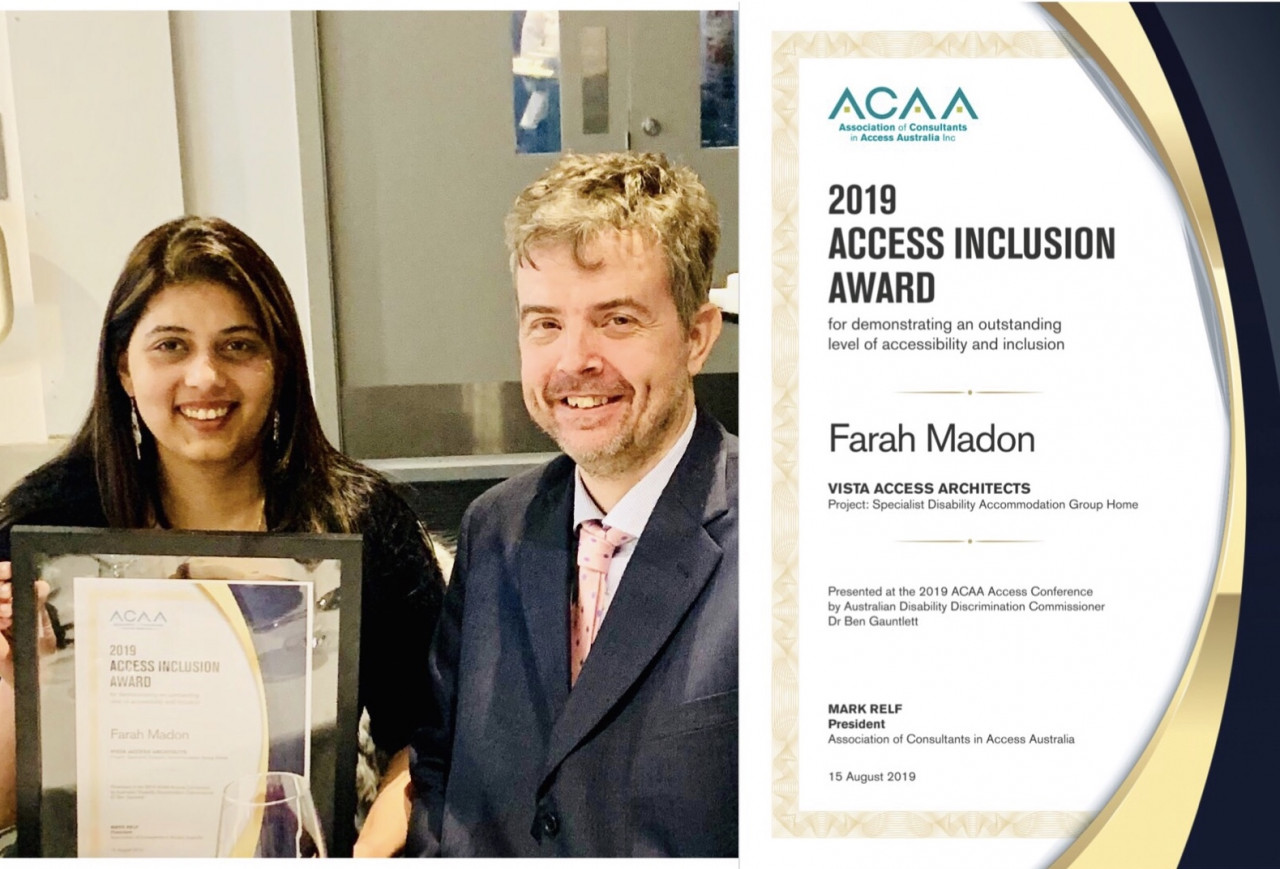
2019 Access Inclusion Award

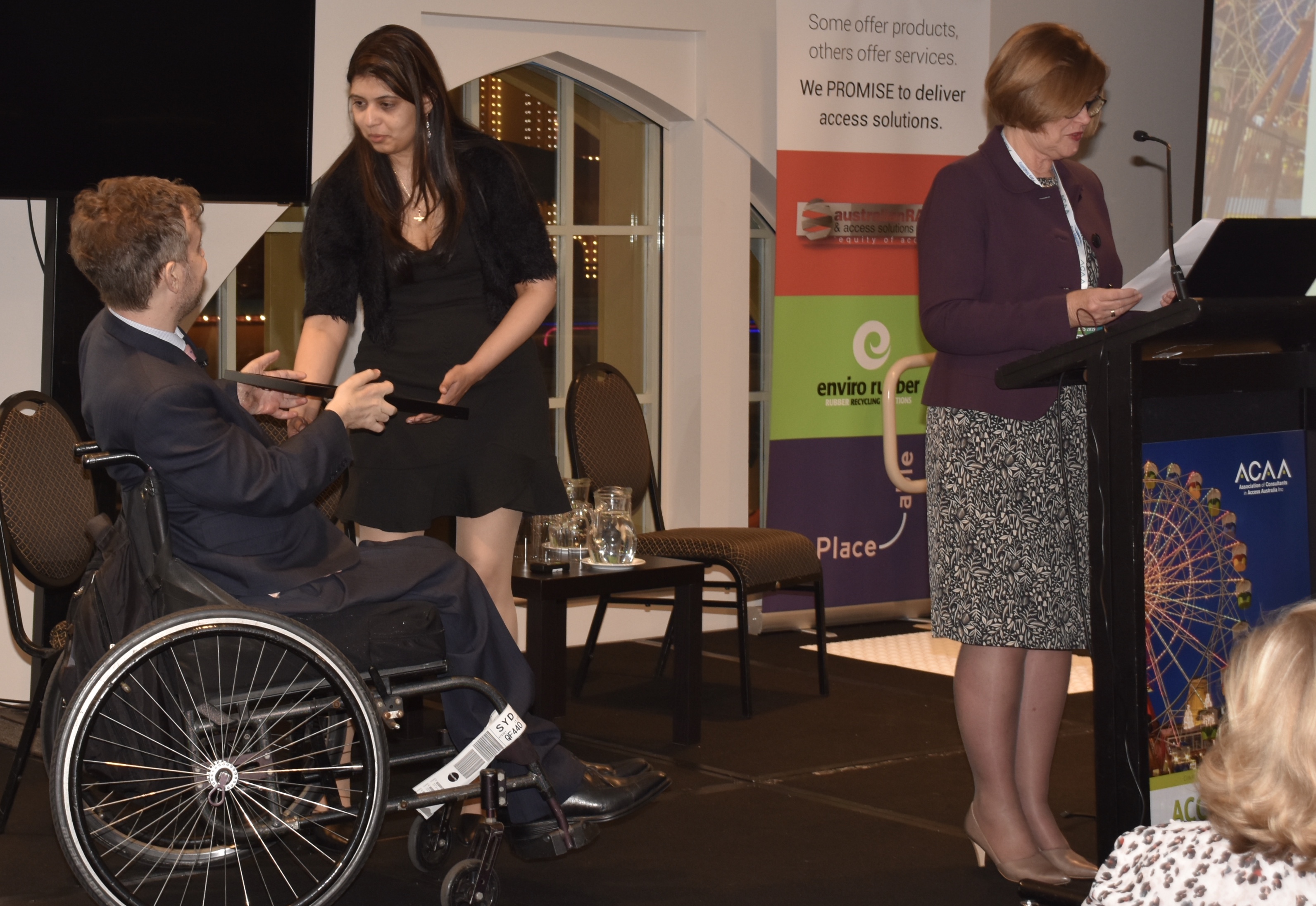
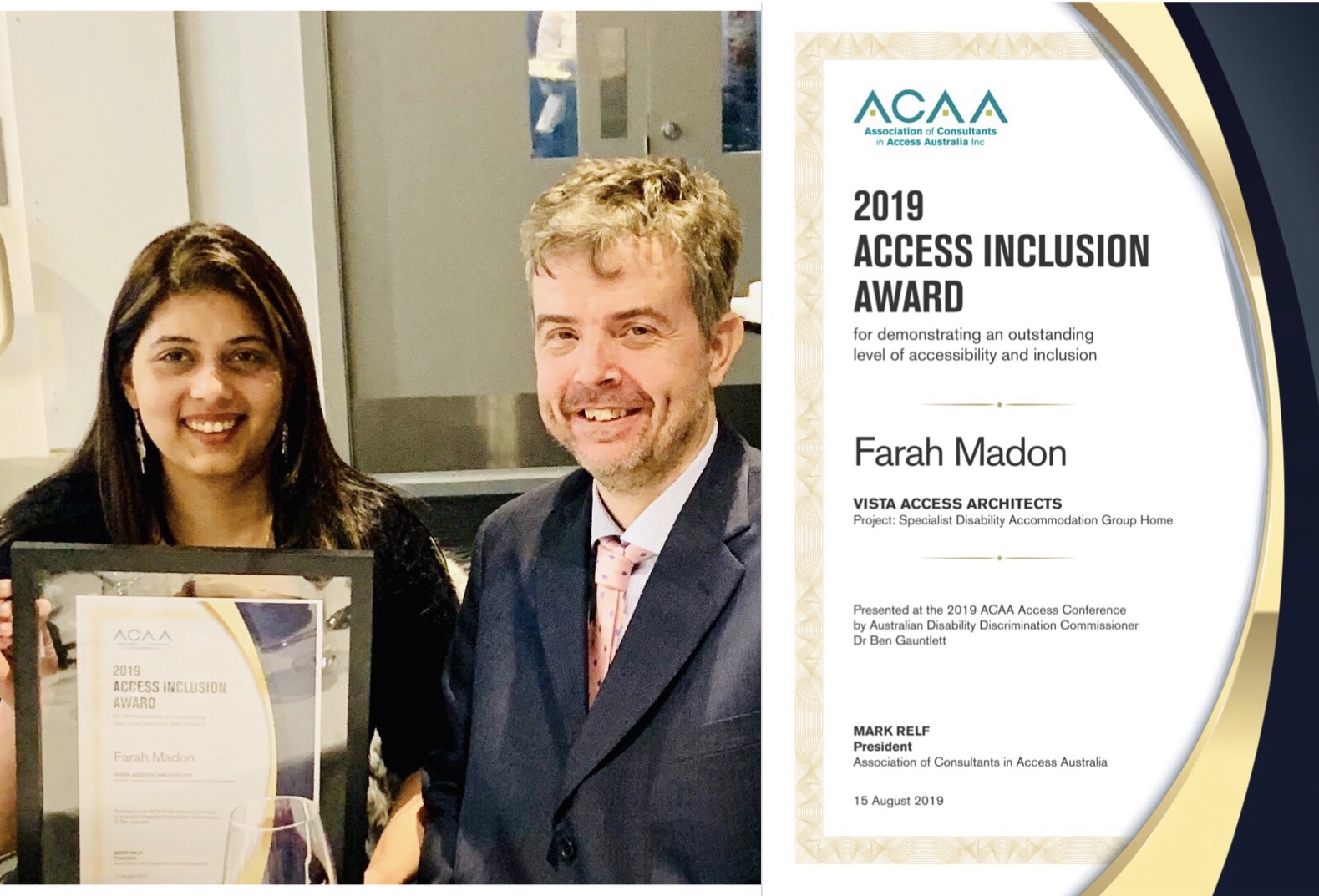
Farah was awarded the 2019 Access Inclusion Award for being the Access Consultant for a Specialist Disability Accomodation which demonstrated an outstanding level of Access and Inclusion.

Farah Madon and Australian Disability Discrimination Commissioner Dr Ben Gauntlett

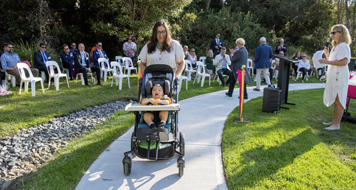
Photo of (from left) Farah Madon and Australian Disability Discrimination Commissioner Dr Ben Gauntlett
  347 Hits

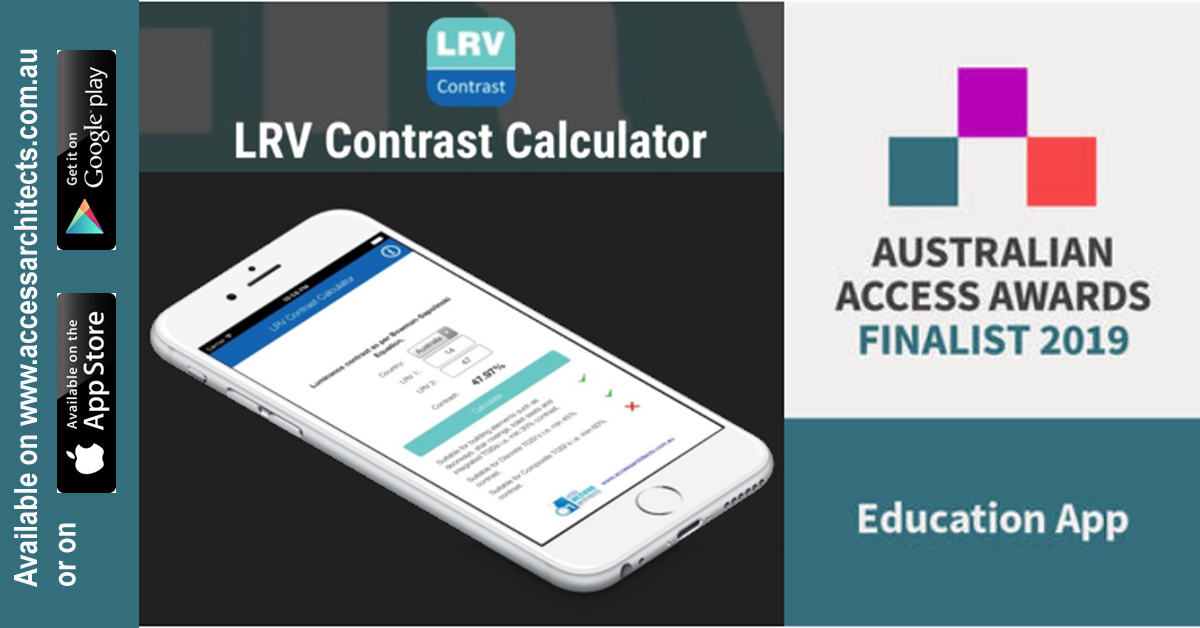
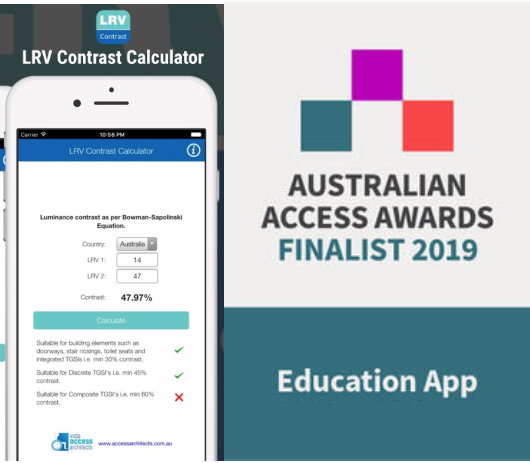
LRV Contrast App by Vista Access Architects judged as a finalist in the Australian Access Awards for the Educational App of the Year

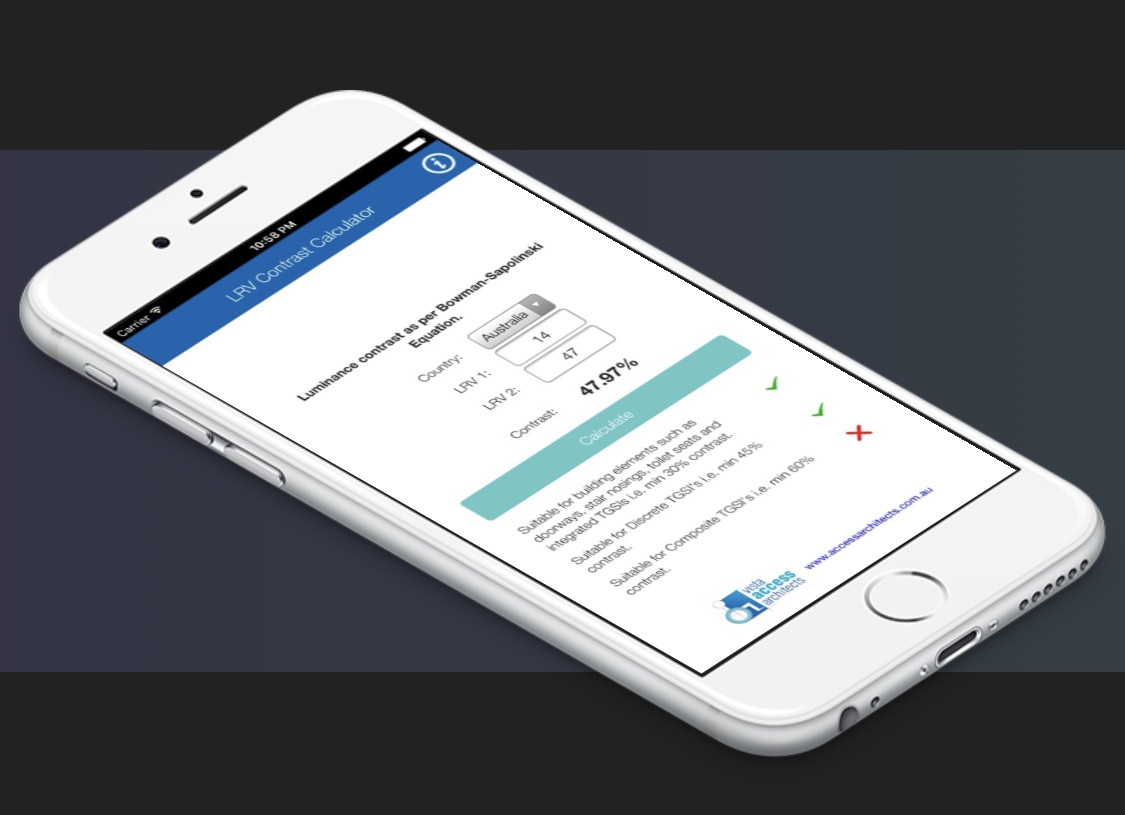
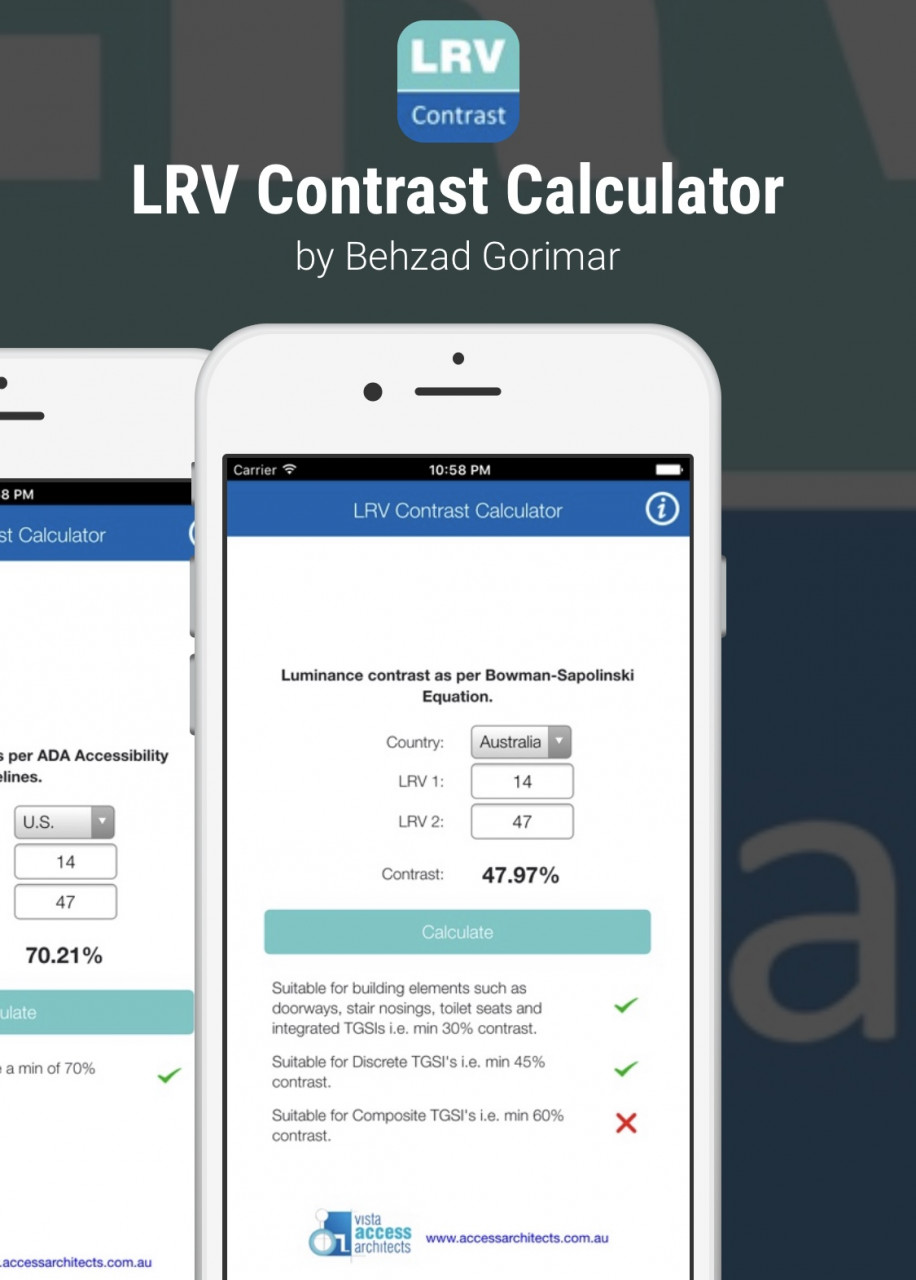
LRV App by Vista Access judged a finalist in the Australian Access Awards for the Educational app of the year category'LRV Contrast' App developed by Vista Access Architects and BEZAPPS for calculating LRV (Luminance Reflectance Value) Contrast has just been judged as a finalist in the 2019 Australian Access Awards for the Educational App of the year category.

The awards are an initiative of Centre for Accessibility The role of the Centre for Accessibility is to empower the accessibility movement and encourage organisations to implement digital access when designing online resources. In 2019 they announced the inaugural Australian Access Awards, celebrating organisations that have successfully implemented accessibility in their digital campaigns or resources.

The LRV / Luminance Contrast Calculator is an easy to use educational tool, available in an online version on our website at https://www.accessarchitects.com.au/calculators and also available to download for free at the AppStore link for iphones / Apple devices and GooglePlay link for Android devices.

The majority of people who are blind or vision impaired have some vision. The purpose of the LRV Contrast App is to assist with selection of colours for building elements to enhance access to information and navigation of the built environment for people with vision impairment.

This is based on not the colour contrast but the luminance contrast which is the light reflected from one surface compared to the light reflected from another surface.

The LRV Contrast App can calculate the luminance contrast based on the LRV of a colour which is easily available from all colour/paint suppliers or on paint samples / fandecks. While the surface or paint finish also plays a role in the Luminance Contrast, it is anticipated that this App will assist with colour selections, at the design stage itself and assist as an educational tool for designers and builders.

The App has been designed to check if compliance could be met with minimum contrast requirements of building elements such as doorways, stairway nosing, toilet seats, signage and different types of Tactile Ground Surface Indicators as mandated under the NCC (Australian National Consruction Code). The formula is based on the Bowman-Sapolinski Equation as required by the NCC (National Construction Code) and Australian Standards AS1428.

It also has a feature to check for compliance with American DDA (Americans with Disabilities Act) LRV requirements.


  5632 Hits

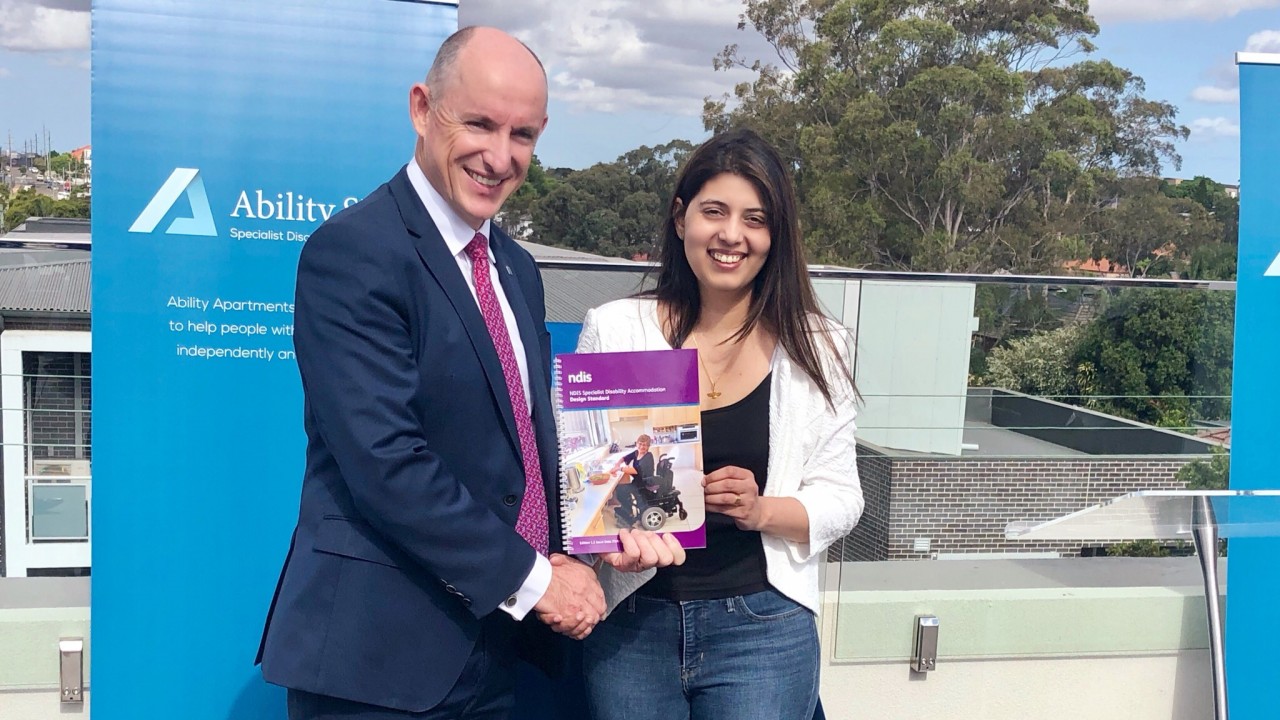
NDIS SDA Design Standard Released

Today has been an absolute career highlight day with the launch of the NDIS Specialist Disability Accommodation (SDA) Design Standard by the Hon Stuart Robert MP, Minister for the National Disability Insurance Scheme.

Being the lead author of the NDIS SDA Design Standard has been challenging, but also rewarding to know that it will significantly raise the bar of accommodation designed for people with disabilities.

I would like to thank everyone who provided feedback during the consultation process. But in particular I would like to thank Toni McInnes and Alison McLeod from NDIA, Bruce Bromley and Eric Martin from my technical writing team, Stuart Christie and Alex Waldren from LHA, for being an integral part of this 10 month long journey with me to develop the very first NDIS Design Standard for SDA.

SDA Design Standard is available for download from the NDIS website.

The SDA Design Standard sets out the future requirements of well designed and built form of new SDA. The NDIA recognises that new build SDA projects will be underway during this time and acknowledgment of these is important, so as to not disrupt the increase to the supply of SDA.

The NDIS SDA implementation plan sets out the timing and requirements in the lead up to the Design Standard taking full effect.

  5622 Hits

2019 Access Inclusion Award Winner

[Farah Madon receiving the 2019 Access Inclusion Award]Farah Madon was awarded the 2019 Access Inclusion Award for being the Access Consultant for a Specialist Disability Accomodation designed by Stanton Dhal Architects which demonstrated an outstanding level of Access and Inclusion. 
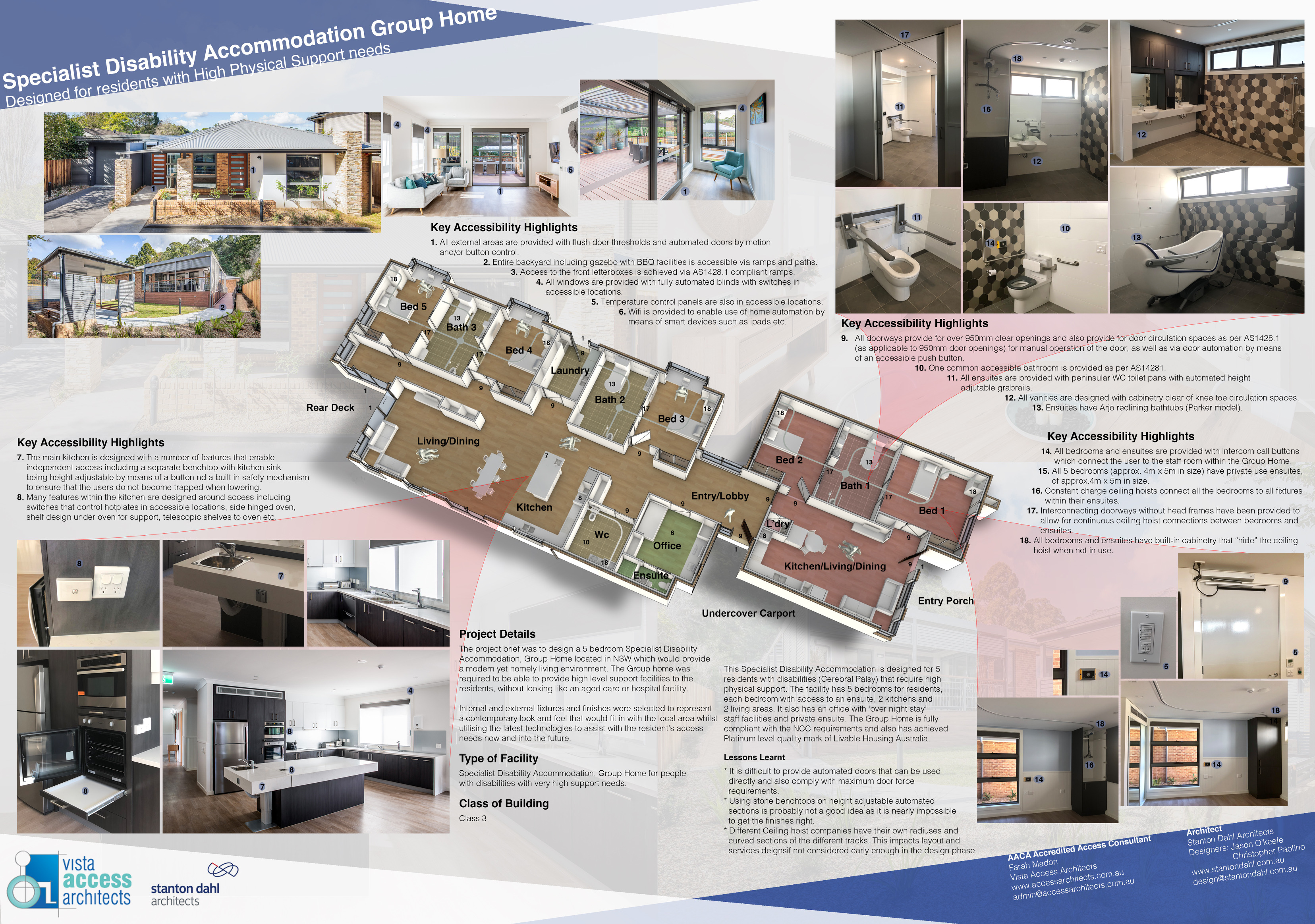
The award was presented by the Australian Disability Discrimination Commissioner Dr Ben Gauntlett at the National 2019 Access Conference Dinner hosted by the Association of Consultants in Access Australia.


  5435 Hits

2019 Australian Access Awards Finalist for Educational App of the Year

'LRV Contrast' App developed by Farah Madon and BEZAPPS for calculating LRV Contrast has been judged as a Finalist in the 2019 Australian Access Awards for the Educational App of the Year category by the Australian Centre for Accessibility. Free download of the App is available on the AppStore 


 CLICK HERE FOR MORE INFORMATION

CLICK HERE FOR A WEB BASED ONLINE VERSION


  3618 Hits

2019 Australia Day Awards - Farah Madon awarded Penrith Citizen of the Year


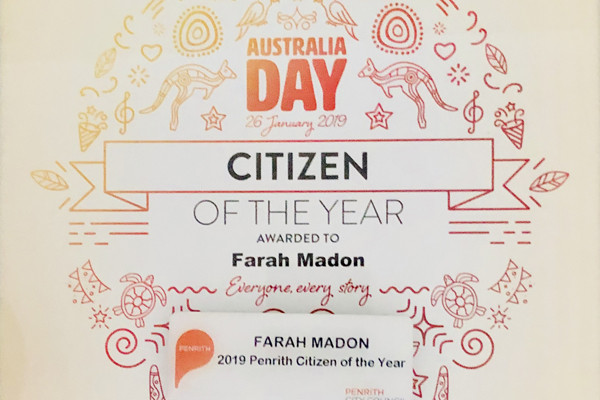
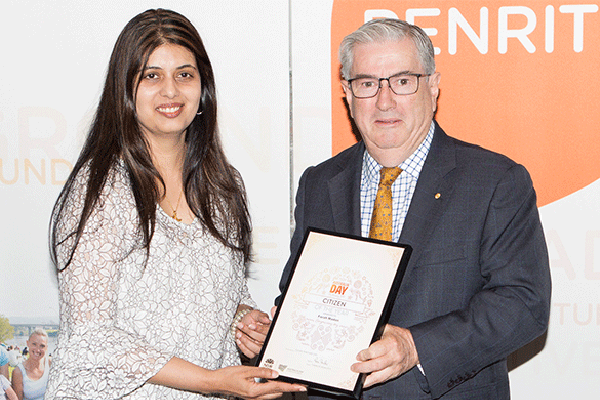
Farah Madon was awarded the 2019 Penrith Citizen of the Year.
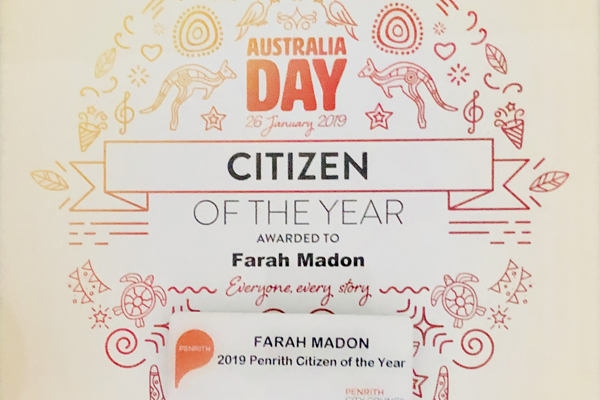
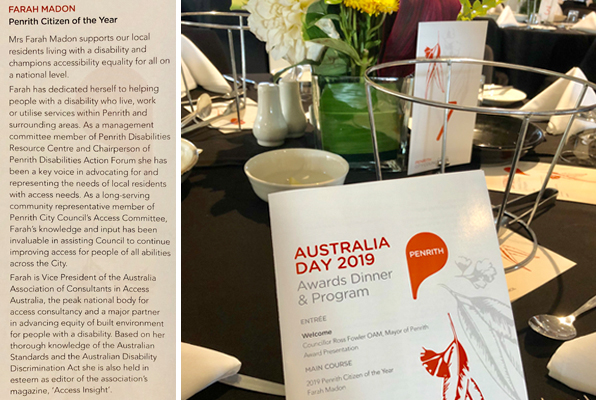
Below are the details as presented by Penrith City Council.


Mrs Farah Madon supports our local residents living with a disability and champions accessibility equality for all on a national level. 

Farah has dedicated herself to helping people with a disability who live, work or utilise services within the Penrith and surrounding areas. As a management commitee member of Penrith Disabilities Resource Center and Chairperson of Penrith Disabilities Action Forum she has been a key voice in advocating for and representing the needs of local residents with access needs. As a long-serving community representative member of Penrith City Council's Access Committee, Farah's knowledge has been invaluable in assisting Council to continue improving access for people of all abilities across the City.

Farah is Vice President of the Association of Consultants in Access Australia, the peak national body for access consultancy and a major partner in advancing equity of the built environment for people with a disability. Based on her thorough knowledge of the Australian Standards and the Australian Disability Discrimination Act she is also held in esteem as editor of the association's magazne, 'Access Insight'.


 Read more about the awards on https://westernweekender.com.au/2019/01/council-honours-dedicated-citizens/

  5844 Hits

New Changing Places Australia Facility Certified

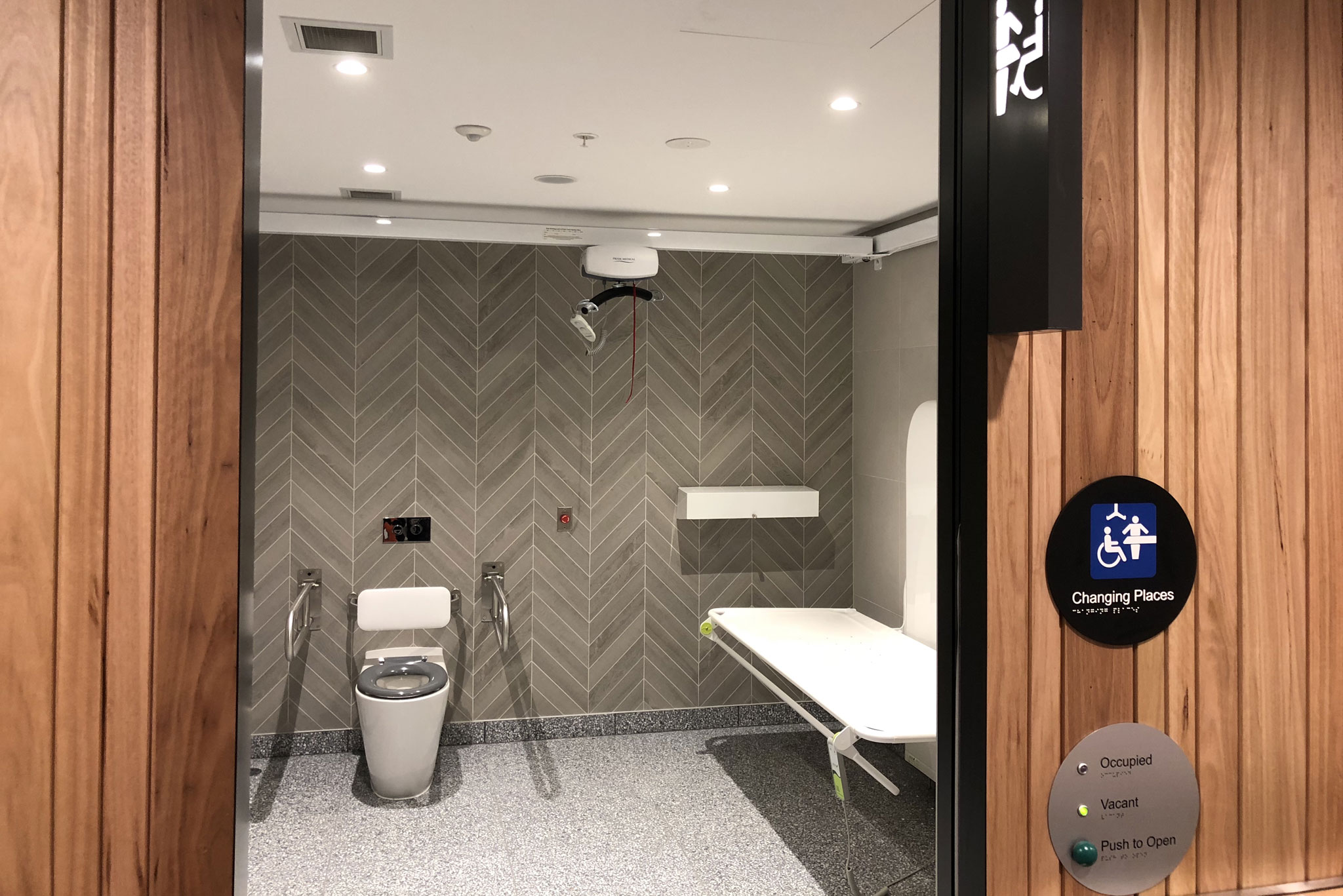
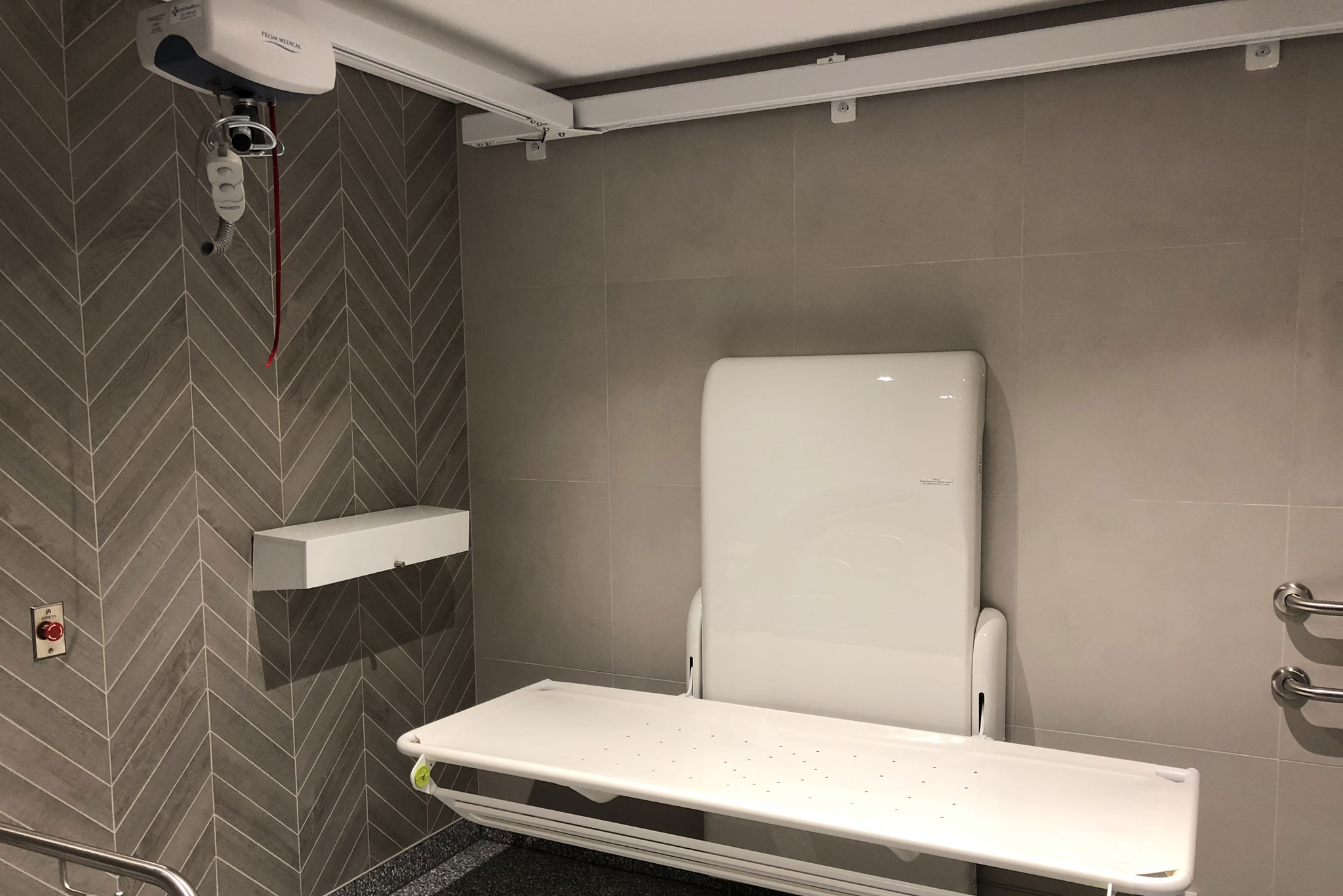
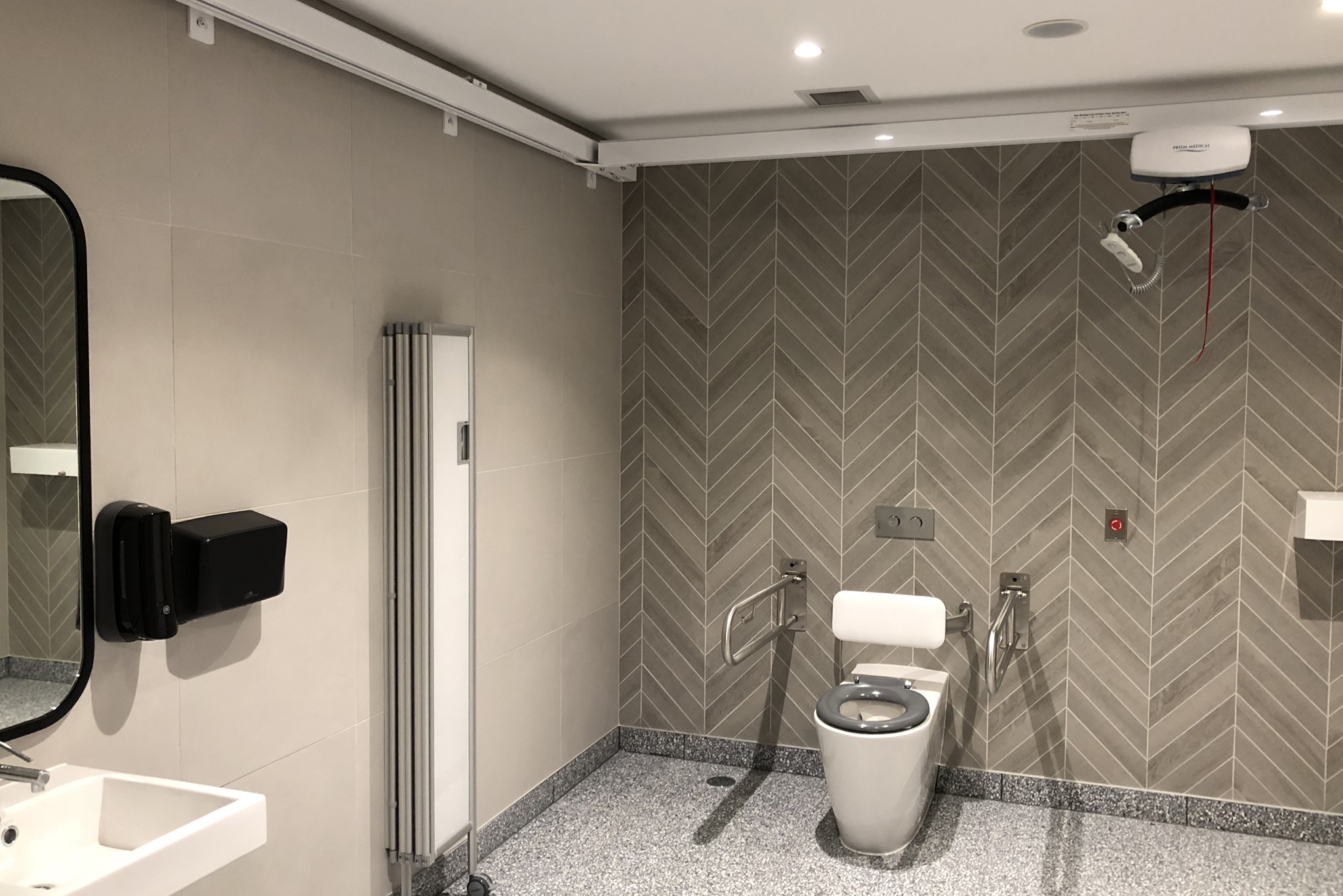
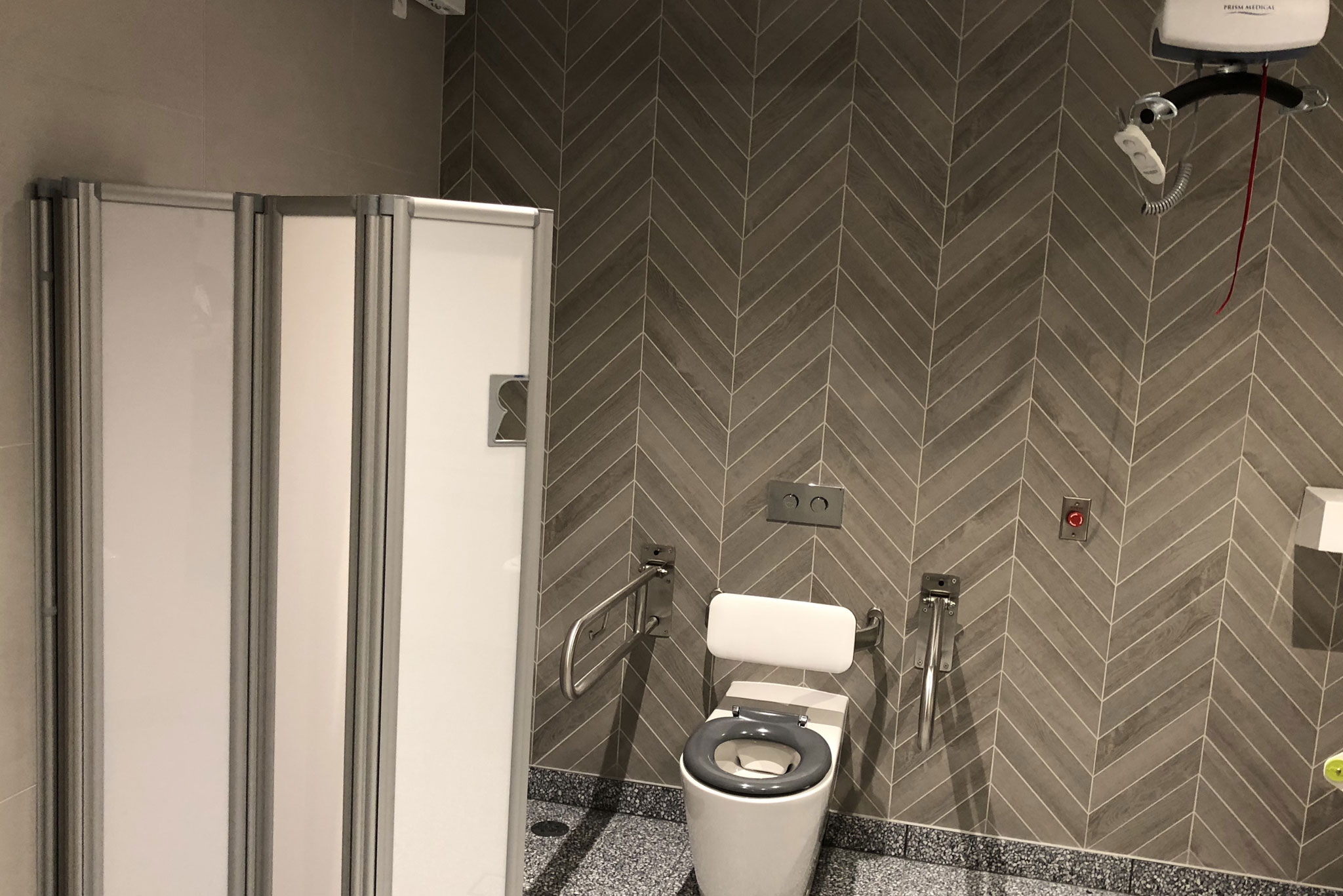
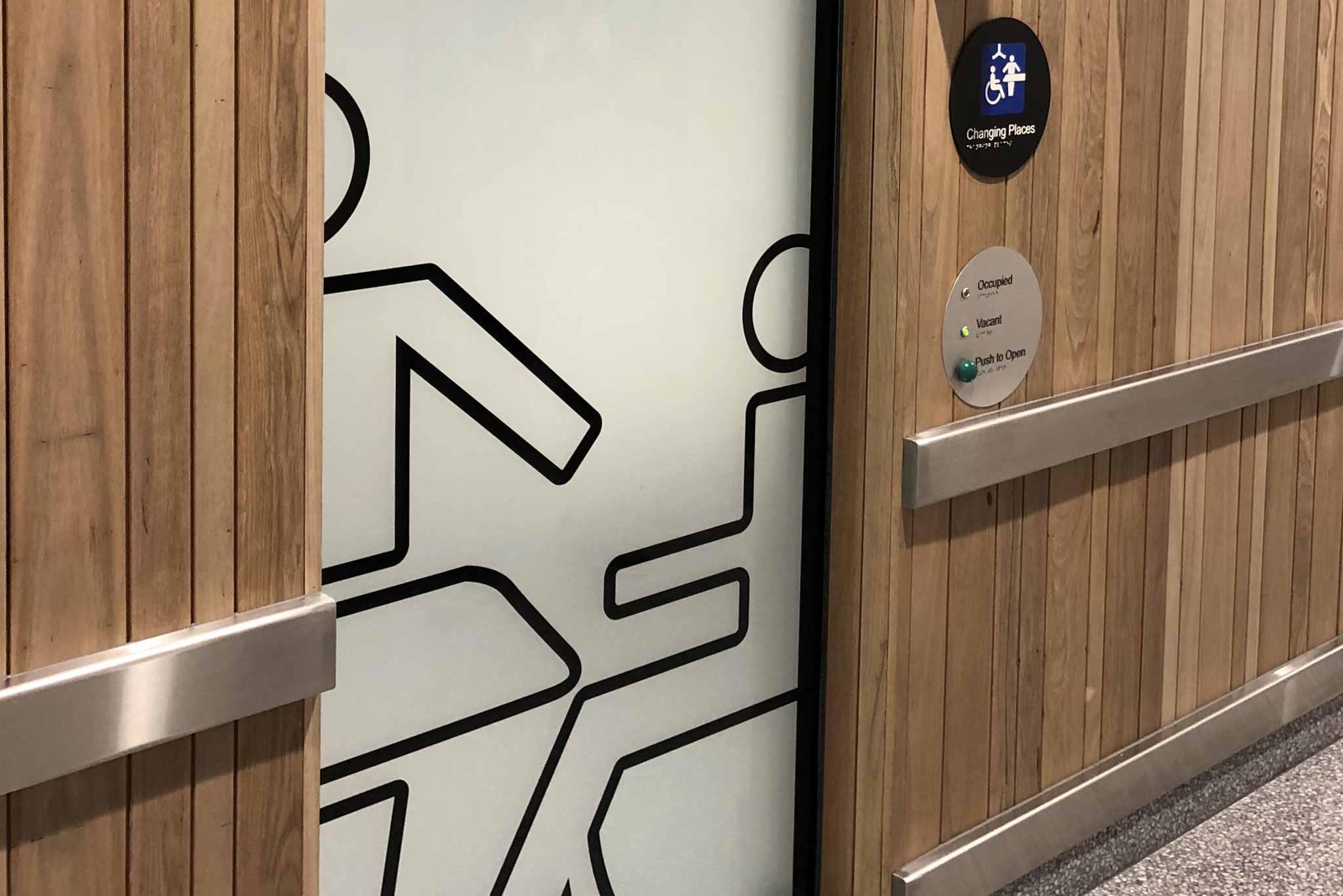
CP 3Vista Access Architects have just certified a new Changing Places facility at Westfield, Blacktown NSW.
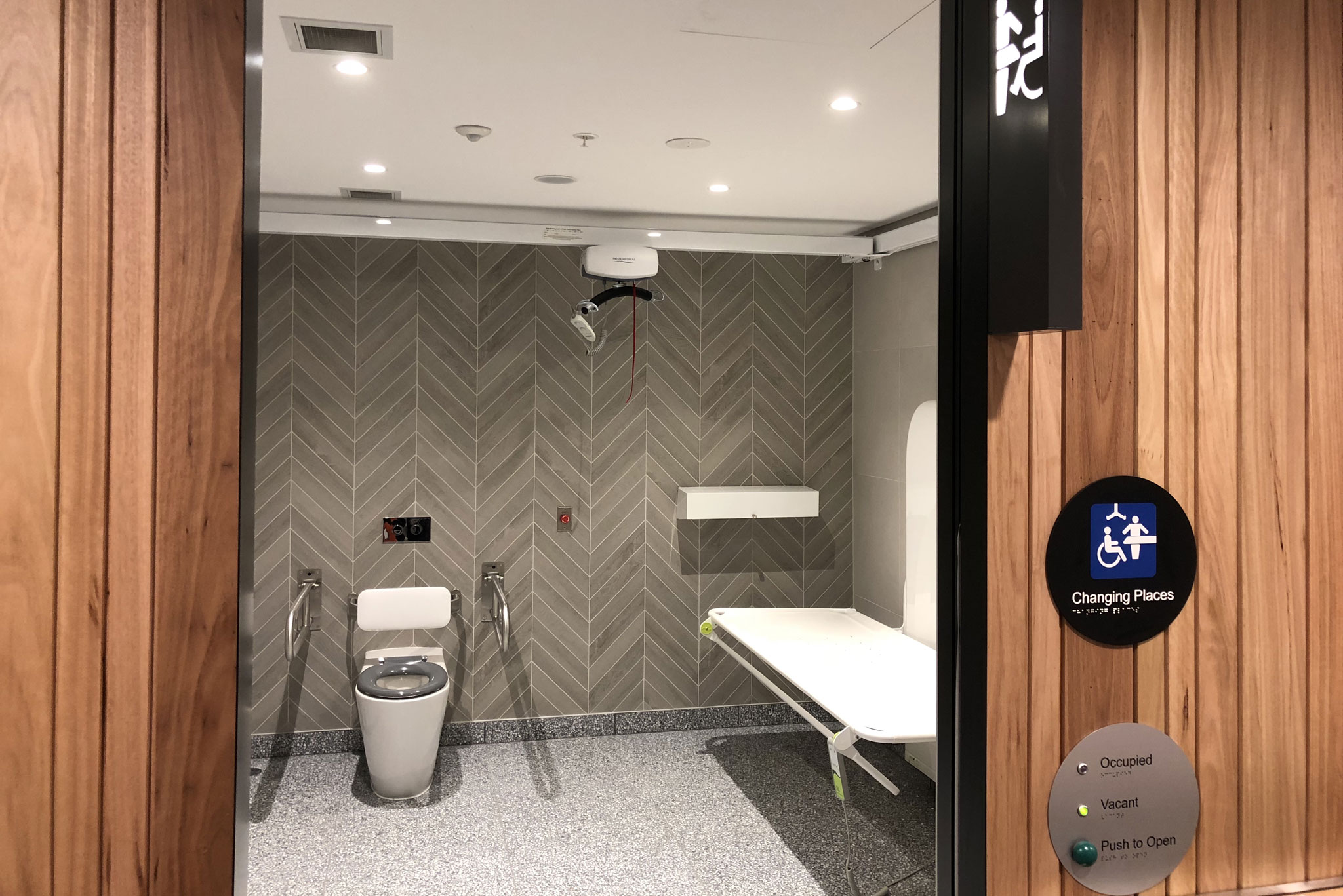
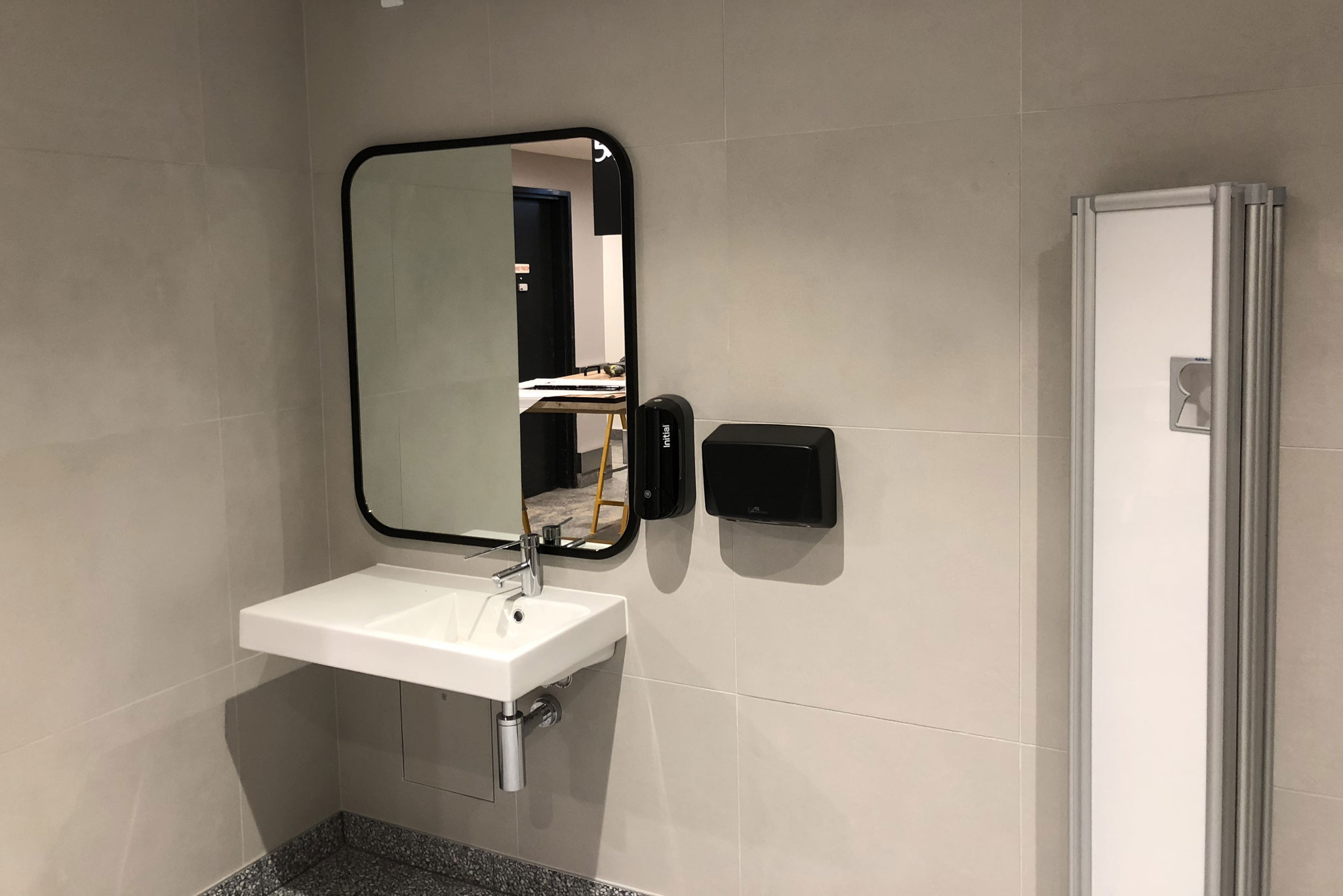
We can provide both; Pre-construction design assessment for the proposed internal layout and Certification services for your Changing Places project. Congratulations to the team at Construction Control for fantastic outcome. 

For more information visit Changing places  or Download Changing Places resource kit.

Contact us on admin@accessarchitects.com.au for your next Changing Places Project.

  6400 Hits

Pro-Bono works for Sunnyfield Disability Services

Vista Access Architects recently provided pro-bono Disabilty Access Consultancy services for Sunnyfield Disability Services. 

Sunnyfield is a member based, registered not-for-profit charity. Guided by their values of respect, trust, honesty and innovation, it is their mission to enrich the lives of people with intellectual disability through person-centred active support that creates choice, opportunities and skills for life.


Day to day, they deliver services for over 1800 clients, including young children, teenagers, adults and seniors with disabilities.

  5914 Hits

Everyone Can Play- Inclusive Playspaces Guidelines Document

I was delighted to be a part of the Advisory team, providing pro-bono advice on the new "Everyone can play" the Guidelines for desiging inclusive playgrounds, an initiative of the NSW Government. 

Every child, with or without a disability deserves the opportunity to be able to play in an inclusive environment.

These guidelines aim to achieve that and much more providing background stories, best practice design recommendations and evaluation checklists. 

A copy of the Everyone Can Play Guideline can be downloaded from HERE


  5800 Hits

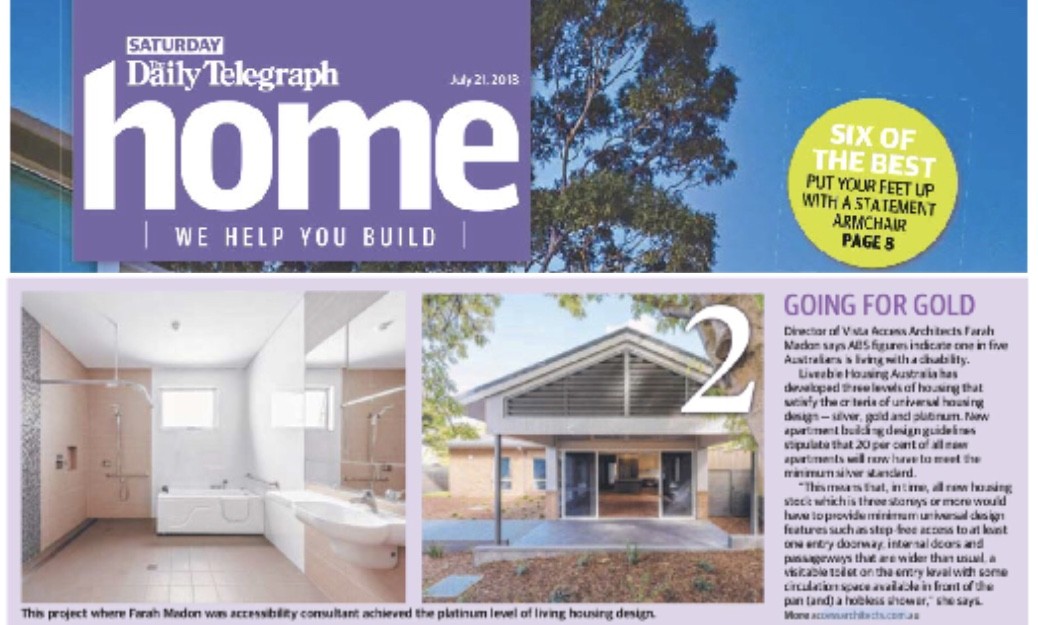
Vista Access Architects interviewed by the Daily Telegraph

Vista Access Architects were interviewed for an article "Access All Areas" by Robyn Willis of the Home magazine of the Daily Telegraph.
The aim of the article was to demonstrate that desiging for disability can deliver beautify spaces

One of our projects that received Livable Housing Platinum Level rating ( Architect Kennedy and Associates Architects) was fetaured in the article.


  4841 Hits

Bear Cottage

Vista Access Architects provided a pro-bono services for Bear Cottage which included a outdoor landscape design access audit through St. Patricks Estate designed by Marsden Architects. Bear Cottage is the only Children's hospice in NSW and is dedicated to caring for children with life-limiting conditions. Visit www.bearcottage.chw.edu.au

  6063 Hits

Penrith Disabilities Resource Centre

PDRCFarah Madon served as a Management Committee member of Penrith Disabilities Resource Center, joining PDRC as a management committee members in 2010 till 2019.
PDRC is funded by the Ageing, Disability and Home Care, Department of Human Services, (ADHC) to resource and support people with disabilities who live, work in, and/or utilise services based in the Penrith Local Government Area and/or surrounding areas. The service caters for the needs of people with all types of disabilities.

PDRC provides regional Advocacy, Information and Referral Service for people with all types of disabilities, their families, carers, advocates and other service providers.

  5998 Hits

Penrith City Council - Access Committee

Penrith city council 3Farah Madon has served as a Community representative of Penrith City Council's Access Committee since 2010. 

The Access Committee is a formal committee of Council which provides advice to Council about access issues and promotes the inclusion of people with a disability as full members of the community. The Committee provides accessibility related feedback on major Development Applications and is also responsible for providing assistance to Council in the development of the Penrith Disability Inclusion Action Plan (DIAP) 2017-2021. The DIAP will steer Council’s actions to make Penrith City more accessible and inclusive for everyone, including people with disability, over the next five years.

  6061 Hits

Guide Dogs NSW/ACT

Guide DogsFarah Madon has been a puppy raiser for Guide dogs NSW.Connor Certificate of Appreciation
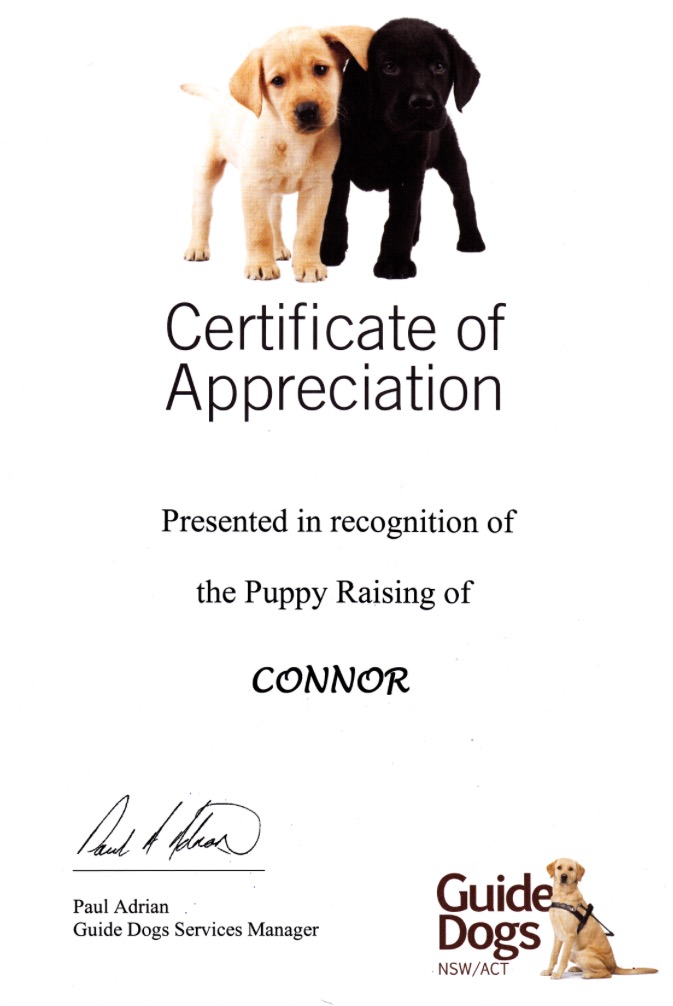
At eight weeks of age, Guide Dog puppies are placed in the community with volunteer Puppy Raisers. These families or individuals ensure that the new recruits get the best possible care, in a loving home environment. Puppy Raising is a 12 month commitment in which raisers are responsible for feeding and grooming, exercising their puppy daily, taking their puppy to Puppy Pre-School and socialisation days and teaching their puppy basic obedience skills like sit, stay and drop. If you would like to be a puppy raiser please contact Guide Dogs NSW

  6795 Hits

Women's Community Shelters - The Haven

Haven

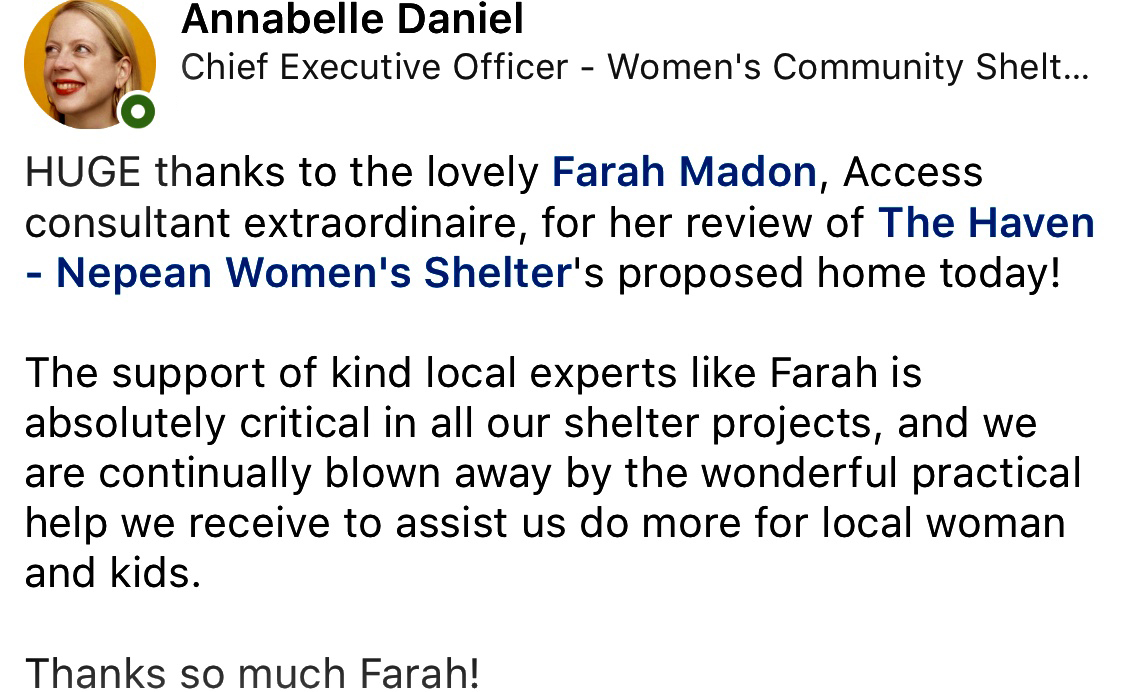
Haven FeedbackWomen’s Community Shelters works with communities to establish new shelters, which provide short term emergency accommodation and support in a safe environment that enables homeless women to rebuild self-esteem and achieve control and fulfilment of their lives.

Vista Access Architects provided pro-bono Disability Access Services for the shelter in Penrith called "The Haven". 


  6144 Hits

Macarthur Diversity Services Initiative (MDSI)
Macarthur Diversity Services Initiative (MDSI) is a not for profit charity based in Campbelltown for over 30 years. MDSI primarily works with migrant and refugee communities in the outer South West of Sydney. As a charity they also work with the most disadvantaged and marginalised mainstream communities throughout the Macarthur region. MDSI believes in a world where people matter, communities are connected and everyone is accepted.


Vista Access Architects provided pro-bono Disability Access Services for two projects for Macarther Diversity Services.

  5633 Hits

Grace's Place

Grace’s Place - An initiative of Homicide Victims Support Group (HVSG) will provide support in a safe place where children, teenagers and their families grieving the death of someone they love through homicide, can share their experiences, receive counselling, be involved in therapeutic programs and learn life skills on how to survive the trauma without their loved one.

Vista Access Architects is providing pro-bono Disability Access Services for this project. As Access Consultants on the project, our focus has been to provide a high level of accessibility and inclusion from the concept design stage.

  6057 Hits

Nepean Disability Organisation (NADO)

NadoNepean Disability Organisation (NADO) is a community-based charity and a Community Housing provider that supports people with disabilities, their families and carers in Western Sydney, including the Hawkesbury, Blue Mountains, Penrith suburbs and surrounding areas. NADO raises awareness of the rights, needs and abilities of people living with disabilities so that individuals can actively participate in the community and achieve their full potential.

Vista Access Architects provides pro-bono Disability Access related services on on-going NADO projects.

  5971 Hits

Luke Priddis Foundation

Luke LogoLPF Centre For Autism Logo CMYK HR NEWLuke Priddis Foundation aims to improve the lives of children with ASD (Autism Spectrum Disorders). They provide services to help kids with ASD learn vital skills like how to talk, read, write, draw, and even how to play with other children. These skills give them a better chance at independence as they grow up.

Vista Access Architects provided pro-bono access consulting services and design input which included provision of an Adult size change table facility, a new lift and general accessibility through-out the facility.

  5905 Hits

2017 NSW Disability Access Inclusion Award

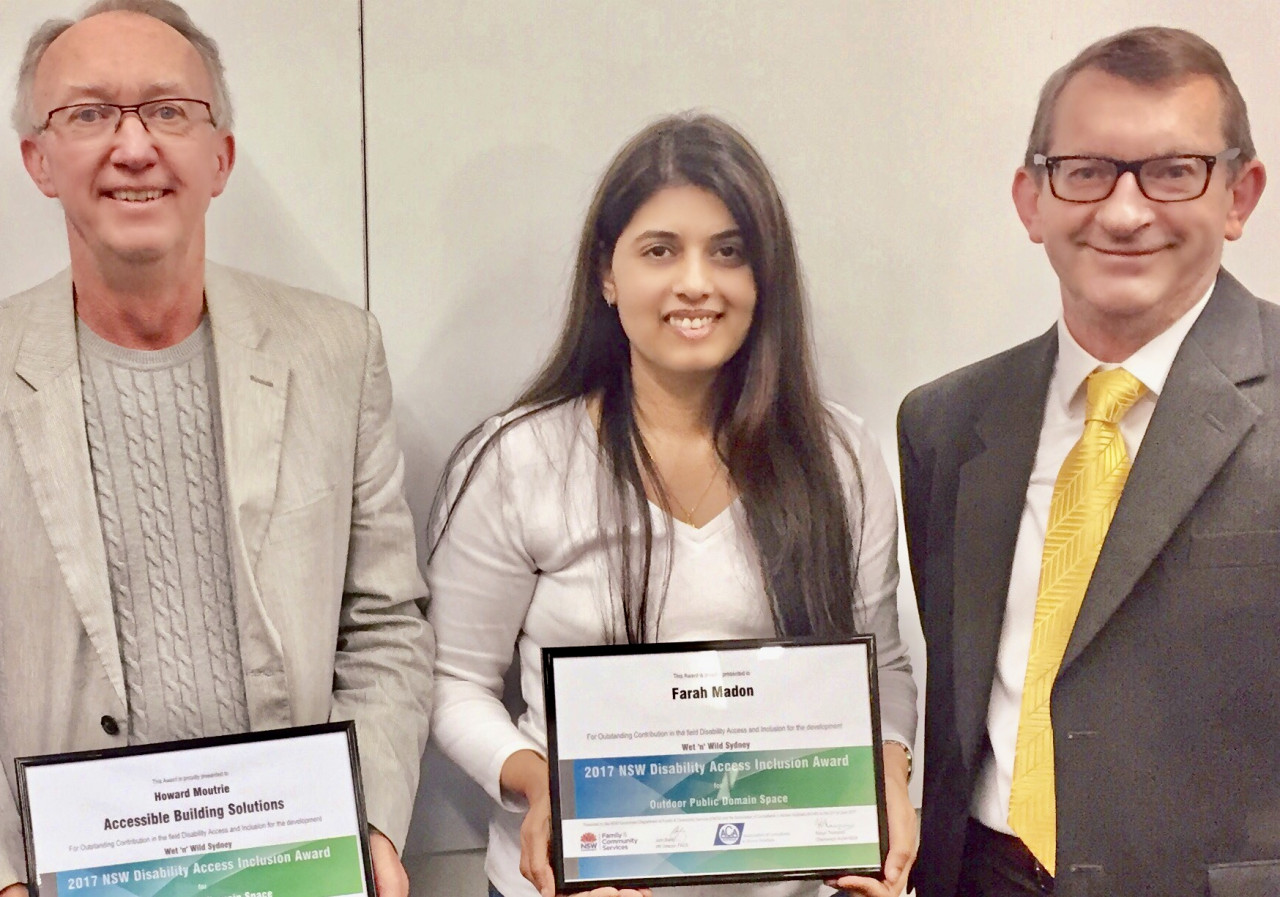
Farah Madon along with colleague Howard Moutrie were named Winners of the 2017 NSW Disability Access Inclusion Award in the category of Outdoor Public Domain Space.The award was presented by the NSW Government department of Family and Community Services (FACS). 

Photo of (from left) - Howard Moutrie, Farah Madon and FACS Director John Bailey


Photo of (from left) - Howard Moutrie, Farah Madon and FACS Director John Bailey


  299 Hits

FREE Calculator for number of Receivers required for Hearing Augmentation

Hearing Augmentation is required where an inbuilt amplification system is proposed in the following areas: 
  • a Class 9b building like an assembly building or school; or
  • in an auditorium, conference room, meeting room or room for judicatory purposes; or
  • at a ticket office, teller's booth, reception area where the public is screened from the service provider.

Also any screen or scoreboard associated with a Class 9b building capable of displaying public announcements must be capable of supplementing any public address system, other than a public address sytem used for emergency warning purposes only.

Options for hearing augmentation include,

  • an induction loop to minimum 80% of the floor area served by the inbuilt amplification system; or
  • a system requiring use of receivers to a minimum of 95% of the floor area served by the inbuilt amplification system. The BCA lists the number of receivers to be provided for this system based on room occupancy.

Vista Access Architect's website has a FREE CALCULATOR FOR RECEIVERS to comply with the requirements of BCA 2016.

Additional information on Hearing Augmentation is provided in AS1428.5 - Design for access and mobility - Communication for people who are deaf or hearing impaired

  6134 Hits

FREE Calculator for Accessible SOUs & Accessible Car parking spaces for Class 3 Buildings

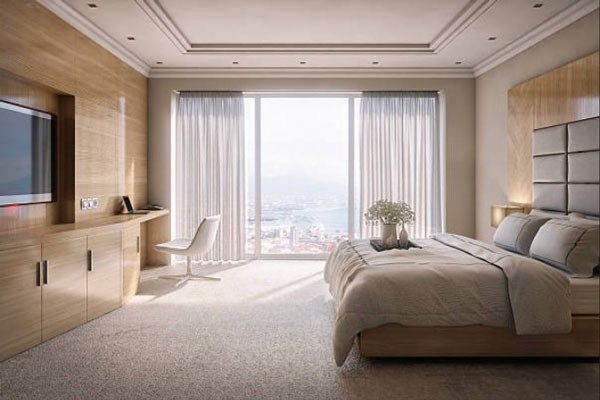
Photo of an Accessible Bedroom in a HotelVista Access Architects receives regular inquires as to requirements for Accessible Car parking spaces for Class 3 developments such as Hotels, Motels, Group homes, Hostels etc.
The number of Accessible Car parking spaces for Class 3 developments depends on:
- The total number of the Car parking spaces provided in the development;
- The total number of SOUs (Sole occupancy units/ bedrooms) and
- The total number of Accessible Bedrooms as determined by BCA Table D3.1.

The calculations involve determining the Accessible SOU numbers through the BCA Table D3.1 and then multipying the total number of Car parking spaces by the percentage of the Accessible
SOUs/ Bedrooms to the total number of SOUs/ Bedrooms, with the answer taken to the next whole
figure.

Vista Access Architect's website offers a FREE Class 3 Accessible SOUs and Accessible Parking Calculator to simplify the process. Just enter the total number of SOUs/ Bedroom and the total number of Car parking spaces provided and the
Calculator will display the requirements for both, Accessible SOUs/ Bedrooms as well as the Accessible Car Parking spaces as required by the BCA 2016 for your project.

Contact us for the Accessibility requirements of your next project on admin@accessarchitects.com.au

You can also upload some preliminary drawings for your project to request an obligation free Fee Proposal from our website's CONTACT page.

  7847 Hits

Vista Access Architects are Accredited to certify Changing Places facilities.

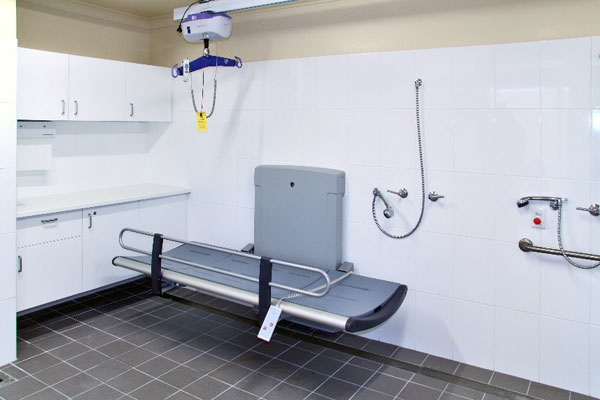
Penrith poolWhere Accessible toilets as required under the BCA (Building Code of Australia) do not meet the needs of all people with a disability, Changing Places facilities enable social inclusion for people with severe disabilities such as spinal injuries, spina bifida, motor neurone disease and multiple sclerosis amongst others that require more assistive technology and additional spatial requirements.
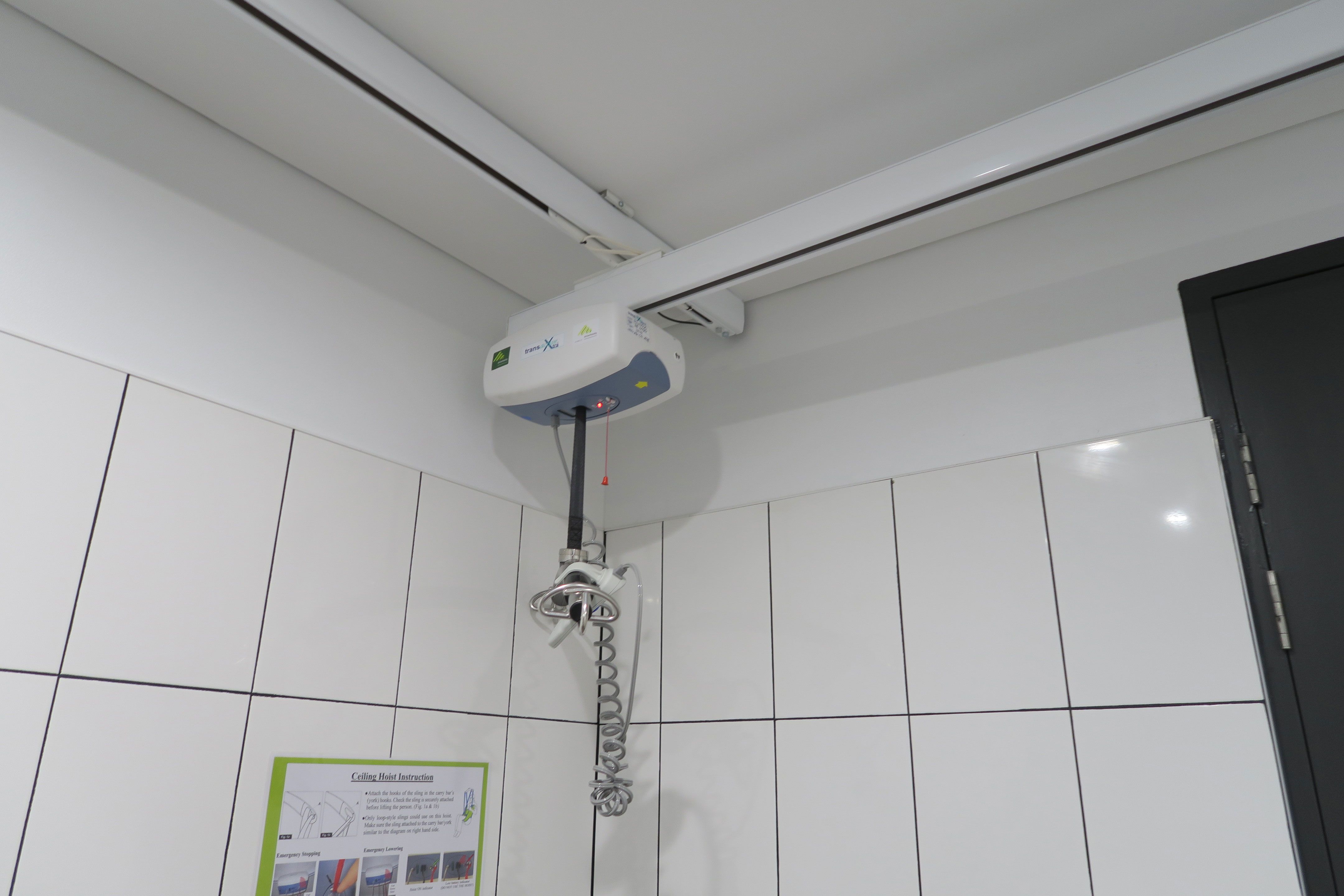
Only Accredited members of ACAA (Association of Consultants in Access Australia) who have undergone Changing Places design Training can certify a Changing places facility. We are pleased to announce that Farah Madon from Vista Access Architects is now fully Accredited to certify Changing Places (registration number CP006).

Vista Access Architects have previously designed 3 Adult changing facilities with height adjustable tables and ceiling hoist facilities at Ripples Penrith Swimming Center, Triangle Park on High Street in Penrith and East lane in St. Marys (under construction).

With the introduction of Changing Places Australia a higher level of amenity can be provided in addition to an Accessible toilet.

Changing Places Registered

We can provide both; Architectural Design for the internal layout and Assessment cum Certification services for your Changing Places project.  


For more information visit Changing places  or Download Changing Places resource kit.

Contact us on admin@accessarchitects.com.au for your next Changing Places Project.

  6246 Hits

Adult Changing facility in Penrith

This design was based on the requirements of Council and based on Lift and Change facilities. Vista Access Architects are also qualified to provide design and certification as per Changing places Australia


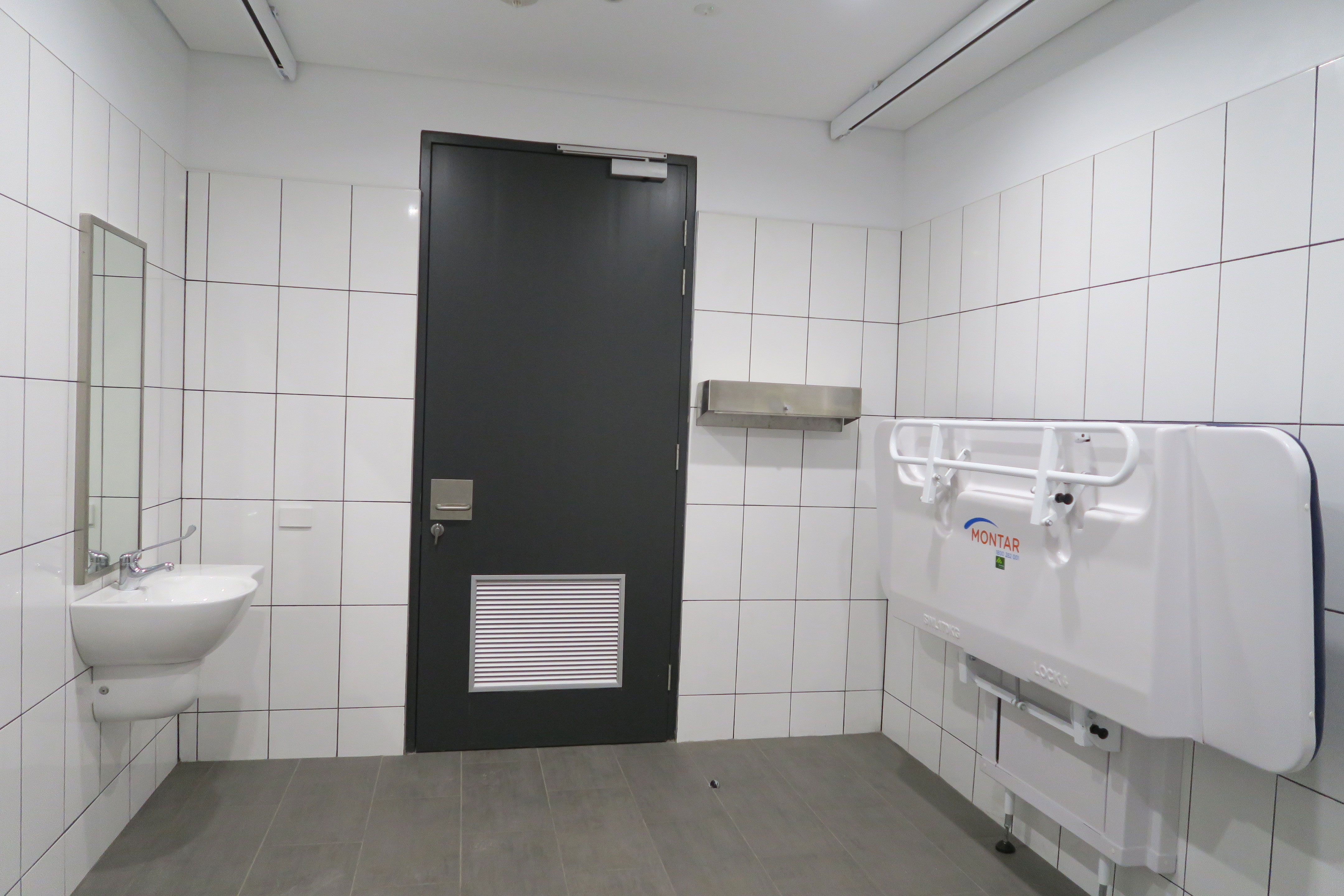
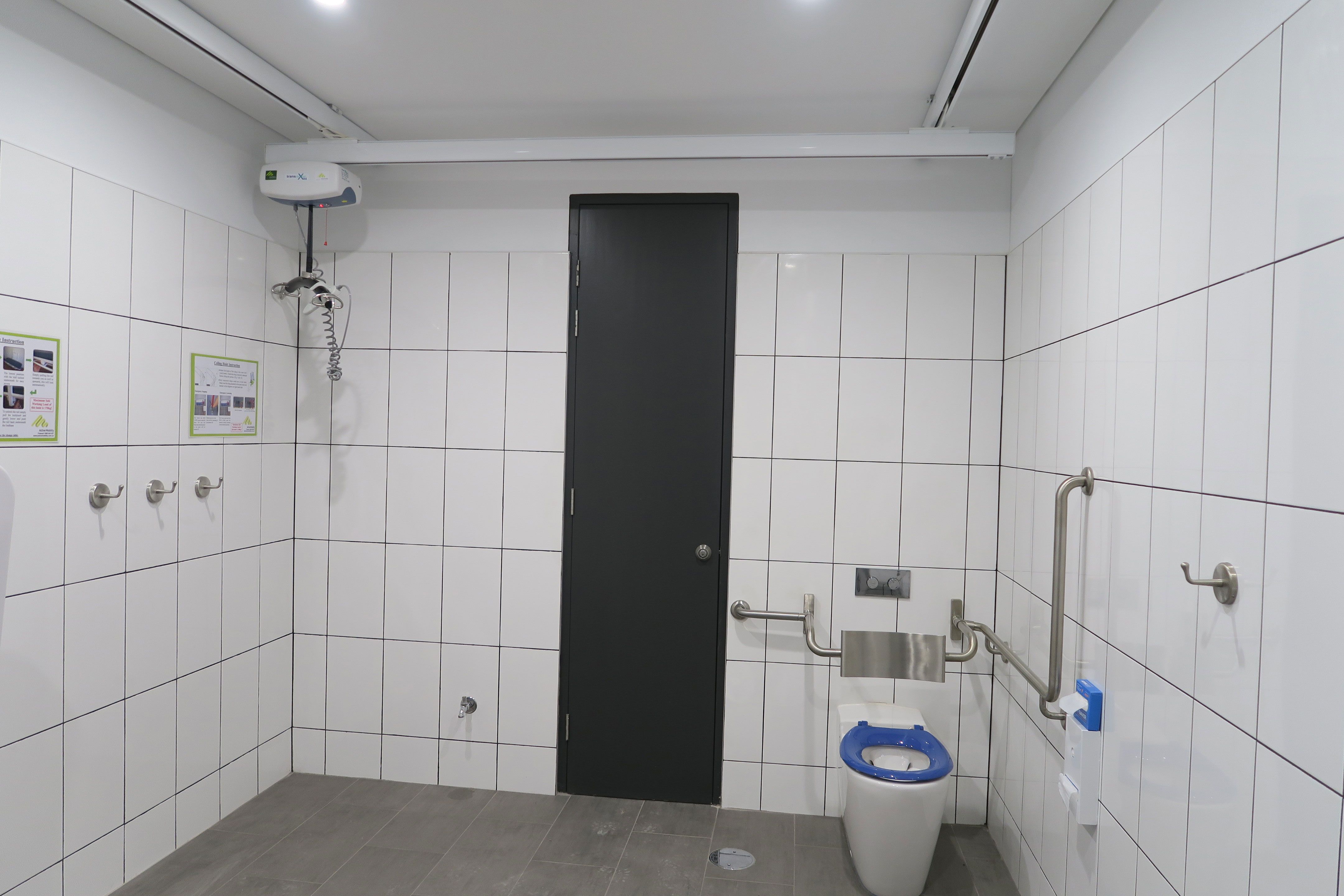
Penrith City Council is a leader in promoting access for people with disabilities. This Adult Changing facility has an accessible toilet, an accessible hand wash basin and a full size height adjustable change table. For added convenience the facility also has been provided with a ceiling hoist with the capacity to access all areas of the facility.


  7696 Hits

Adaptable Housing in Castle Hill

This development is compliant with the requirements of AS4299- Adaptable Housing.

This development also achieved Platinum level Certification from LHA (Livable Housing Australia) which is the highest rating that is available under the LHA Scheme.

Client- Landcom (Previously know as UrbanGrowth NSW)

Project Architects and Photos Credit - Anthony Nolan, Kennedy Associates Architects


  6305 Hits

Housing for People with a disability in Castle Hill

As Access Consultants and LHA Assessors on the project, our focus was on access and inclusion of people with Disabilities. The development not only complies with the minimum Access requirements of the Building Code of Australia but goes above and beyond to improve accessibility in general.

This development achieved Platinum level Certification from LHA (Livable Housing Australia) which is the highest rating that is available under the LHA Scheme.

Client- Landcom (Previously know as UrbanGrowth NSW)

Project Architects and Photos Credit - Anthony Nolan, Kennedy Associates Architects


  6676 Hits

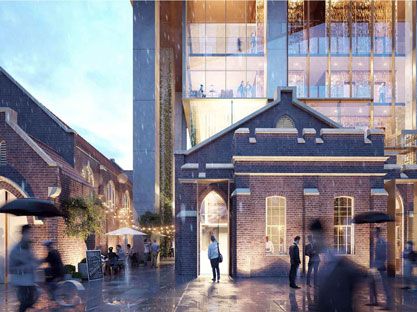
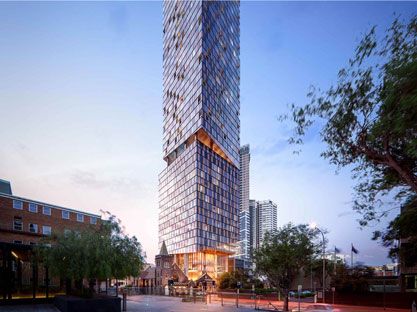
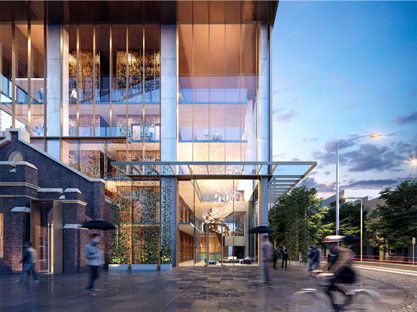
5 Star Hotel cum Residential Development with Heritage components in Parramatta

This spectacular 55 storey tower symbolises the exhilarating rise and momentum of new Parramatta. The 5-star luxury hotel is designed in combination with studio, 1, 2 and 3 bedroom residences. It also features an open-air pool, a Spa Q, gourmet restaurants and the much talked about rooftop bar, Studio 54. It is anticipated that construction will commence in 2017

As the Access Consultants on the project our role was to ensure compliance with all the Accessibility regulations for all components of the building which also included a Heritage component. The development also features Adaptable units designed as per AS4299 and LHA (Livable Housing Australia) Silver level units to satisfy the SEPP 65 (State Environmental Planning Policy) requirements.
 

  6267 Hits

NDIS Specialist Disability Accommodation at Castle Hill

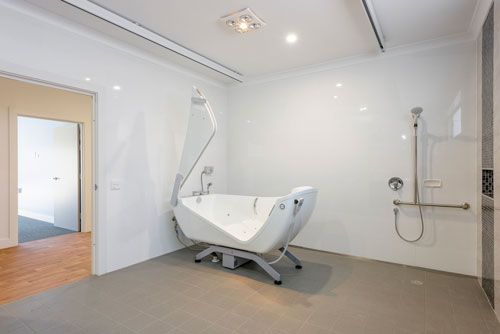
Special features of the house include the state of art amenities including ceiling hoist systems for bedrooms as well as bathroom and specialised bathing equipment.

We assisted in certifying the project to Platinum level Certification from LHA (Livable Housing Australia) which is the highest rating that is available under the LHA Scheme.

Client- Landcom (Previously know as UrbanGrowth NSW)

Project Architects and Photos Credit - Anthony Nolan, Kennedy Associates Architects


  8380 Hits

LHA Platinum level development at West Pennant Hills.

This development was for a 5 bedroom group home with shared amenity facilities. As Access Consultants and LHA Assessors on the project, our focus was on access and inclusion of people with Disabilities. The development not only complies with the minimum Access requirements of the Building Code of Australia but goes above and beyond to improve accessibility in general.

This development achieved Platinum level Certification from LHA (Livable Housing Australia) which is the highest rating that is available under the LHA Scheme.

Client- Landcom (Previously know as UrbanGrowth NSW)

Project Architects and Photos Credit - Anthony Nolan, Kennedy Associates Architects


  6560 Hits

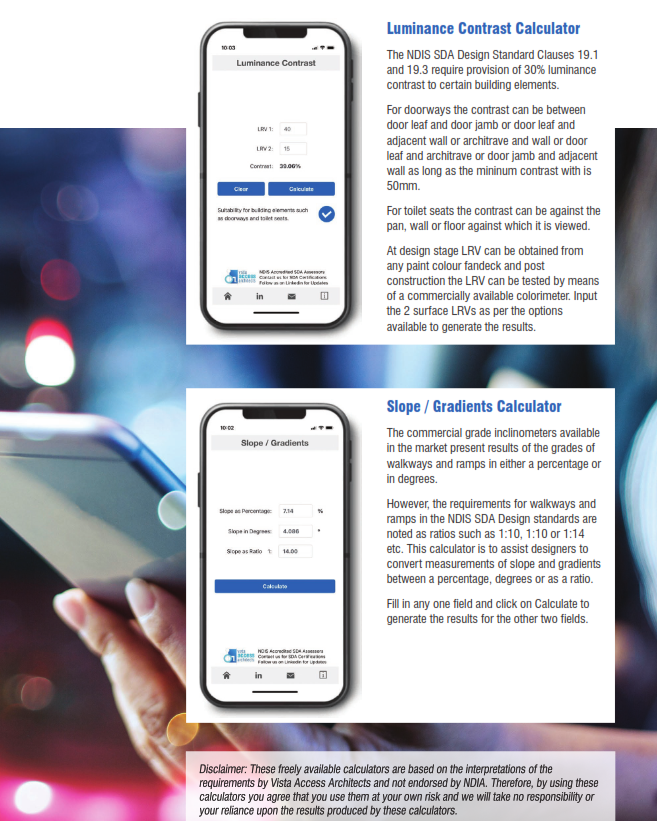
Luminance Contrast, where is it required?

Luminance Contrast is the amount of light reflected from one surface as compared to the amount of light reflected from another surface. Australian / New Zealand Standard AS/NZ 1428.4.1-2009 requires Luminance contrast in a range of 30% to 60% based on the type of building elements.
As a bare minimum for compliance with the BCA 2016, the following requirements apply:

- 30% luminance contrast to Signage, Doorways, Stairway Nosing strips, Accessible toilet seats, Lift buttons and integrated TGSIs (Tactile Ground Surface Indicators)

- Additional luminance contrast requirements apply to Discrete and Composite TGSIs. For example, 45% luminance contrast is required to Discrete TGSIs to the background, while 60% luminance contrast is required to Composite TGSIs (2 colours).
Luminance contrast is determined via on-site testing. However where LRV of 2 colours is know by means such as a fan deck, an indicative level of luminance contrast can be determined via our FREE Luminance Contrast Calculator.


Or Download our LRV Contrast app from the Google Play store or on Itunes for Apple devices.

  11692 Hits

Handrail profile for Accessibility

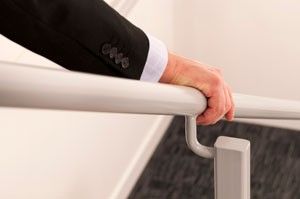
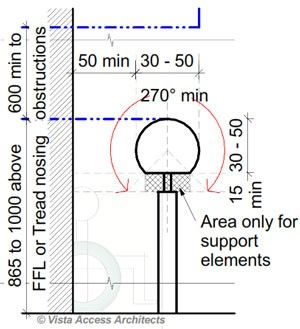
Handrail cross-section for stairways and ramps are required to comply with AS1428.1-2009. The Diameters of handrails are to be between 30mm-50mm and located not less than 50mm from adjacent walls with no obstructions to top 270˚ arc. Most users prefer the dimension of 30mm diameter as it allows for a better grip as the fingers can wrap around the handrail. Australian Standards allows for a round or oval shape profile for handrails. It is important to note that this profile of handrail is also required in fire-isolated stairways.
 

  7486 Hits

Decoding head height requirements for Parking spaces for people with Disabilities

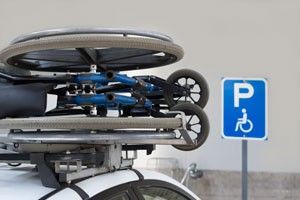
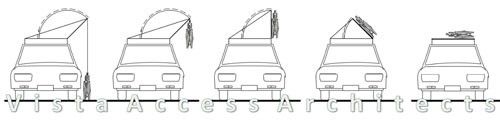
There are 2 types of parking spaces identified suitable for people with Disabilities by the Australian Standards. AS/NZS 2890.6-2009 (Parking facilities—Off-street parking for people with disabilities) identifies a space of length 5.4M with a width of 2.4M allocated to a dedicated accessible parking space with an additional 2.4M width as a shared zone and AS4299-1995 (Adaptable Housing) which identifies a space of 3.8M width and 6M length. Both recommend a head height of 2.5M (although it is to be noted that the head height requirement is not an essential criteria of AS4299-1995 i.e. Class C Compliance).The head height requirements are mainly due to the use of ceiling hoists for wheelchairs as shown in the diagram below. The most popular car ceiling hoist in Australia is the Wymo Hoist. Due to the swinging arm of the ceiling hoist a 2.5M head height clear of any obstructions such as beams or sprinklers is required.

 

  12802 Hits

Touched by Olivia

Vista Access Architects provided pro-bono design services for a proposed Adult Change Facility for Touched by Olivia Foundation at Livvi's Place in Five Dock.

Touched by Olivia Foundation is a wonderful initiative, bringing accessible play spaces for all abilities and we would encourage you to get in touch with them, if you can assist in any way.

Visit www.touchedbyolivia.com.au

  5520 Hits