Vista Access Architects - Blog

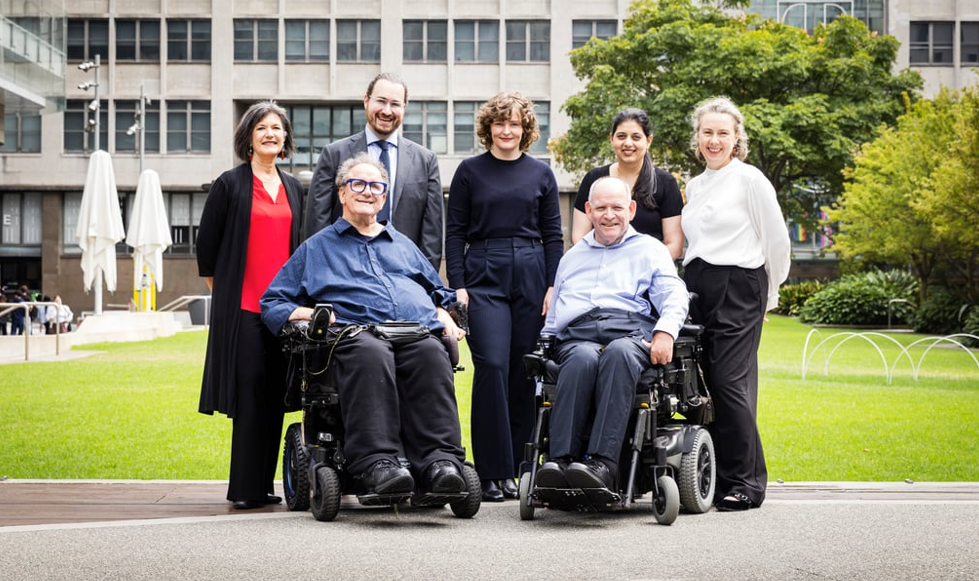
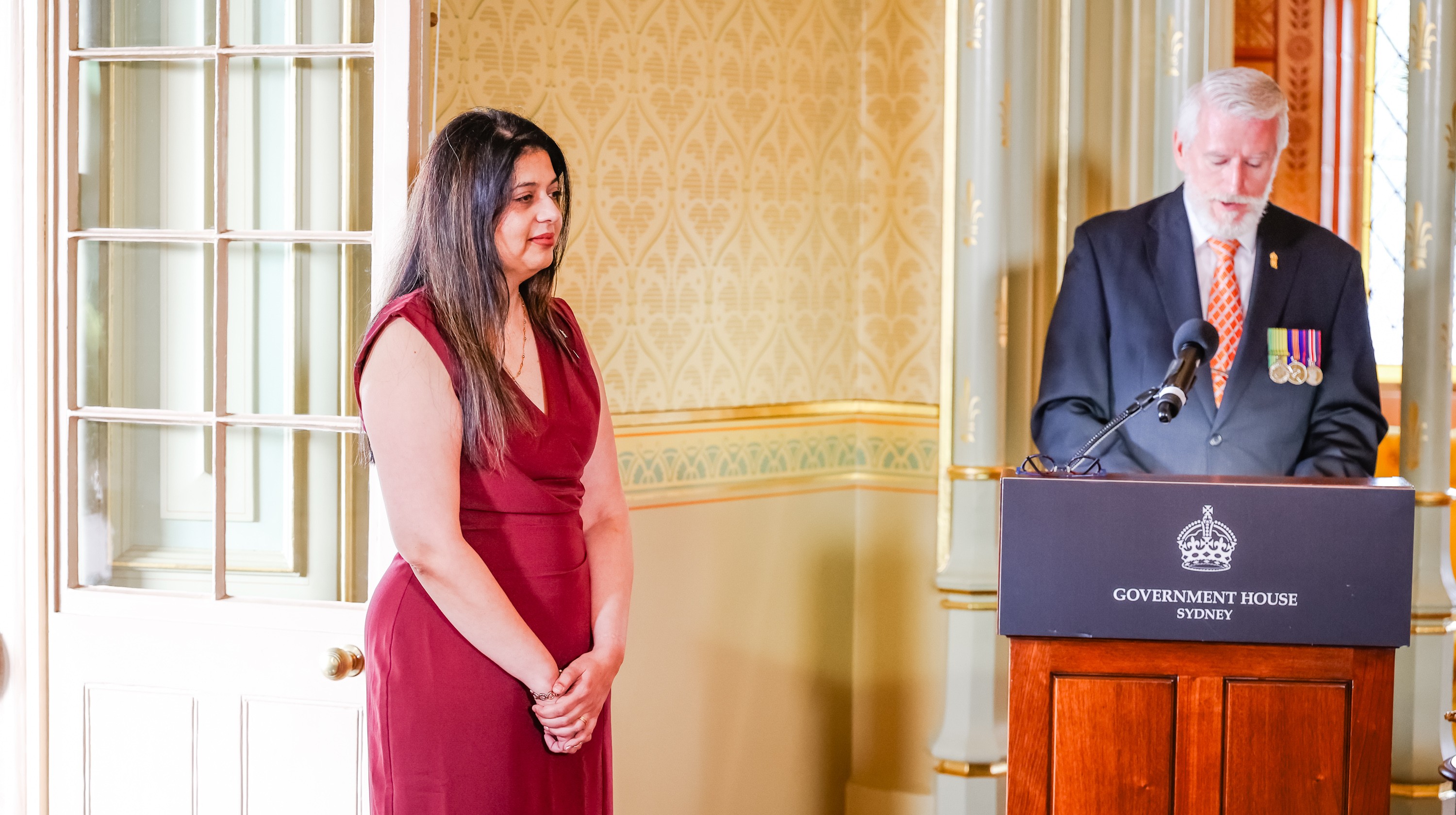
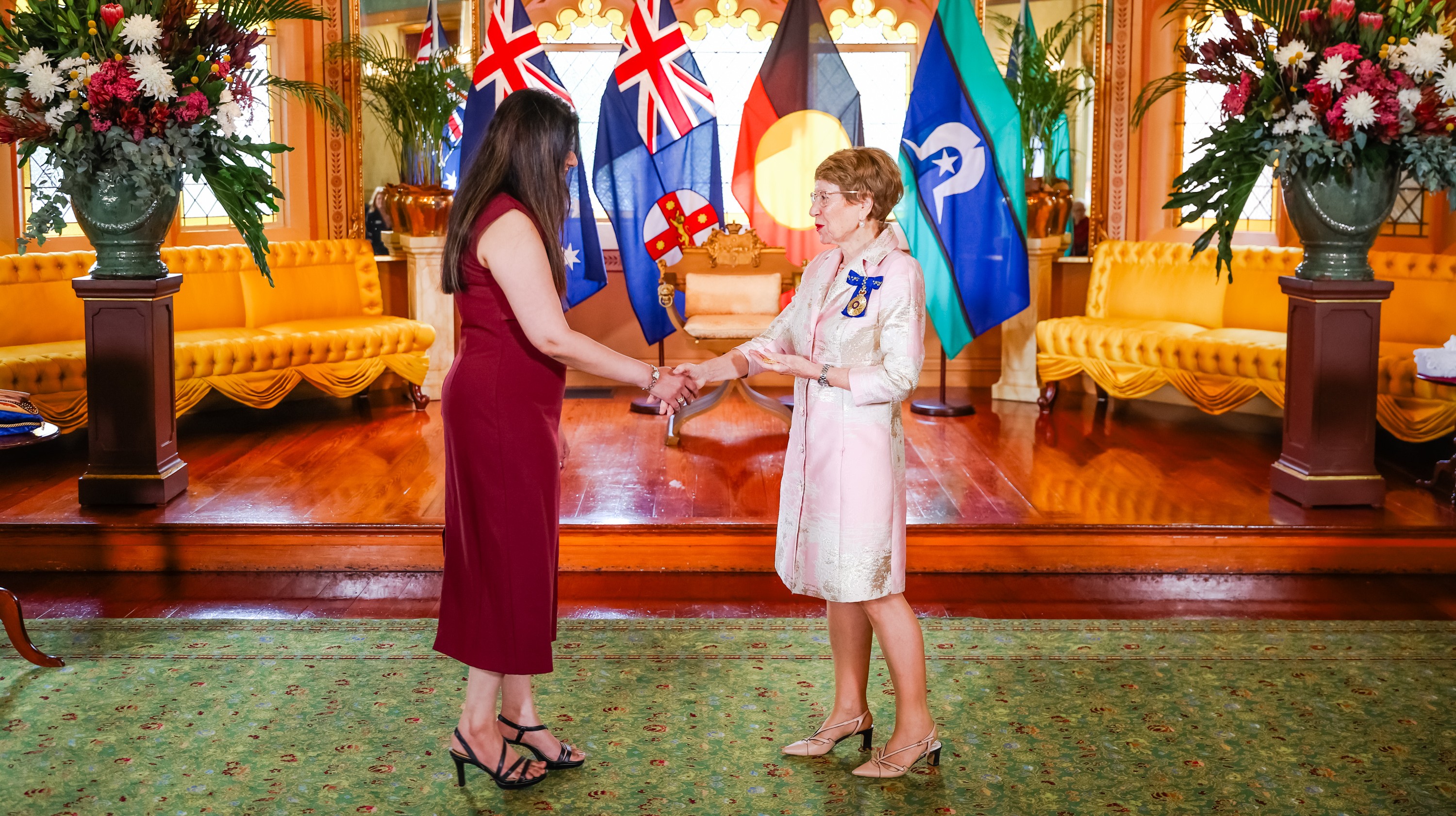
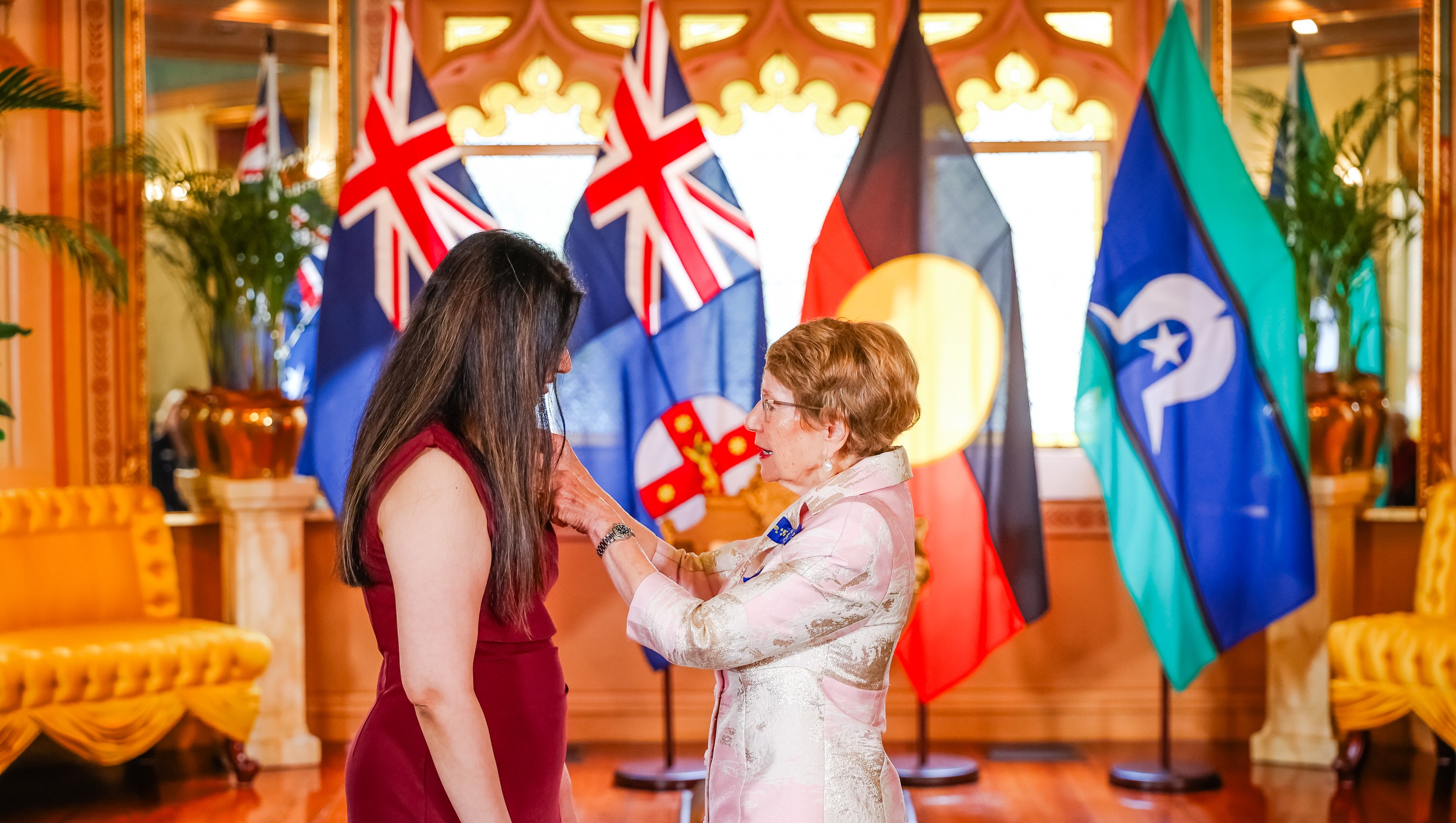
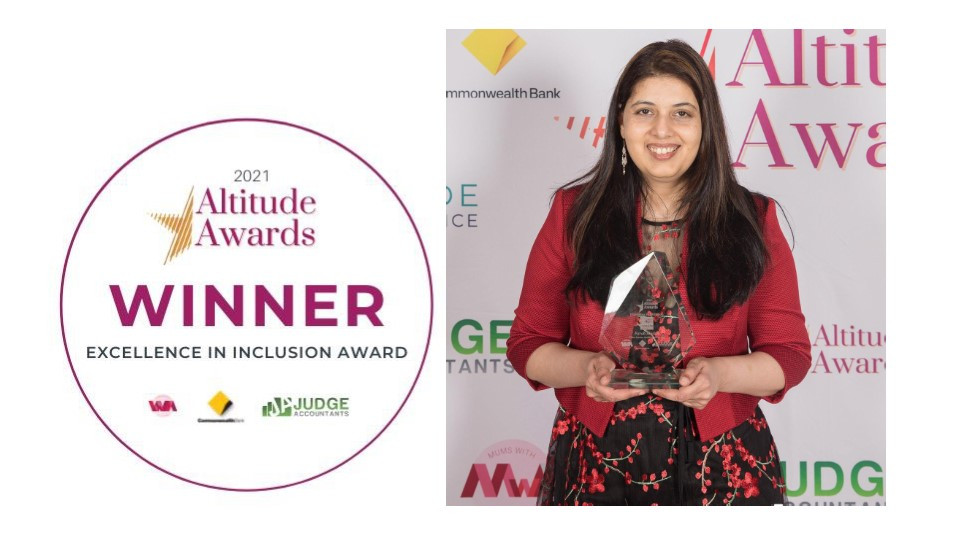
Farah Madon appointed a Member of the Order of Australia (AM) in the Australia Day 2026 Honours List, for ‘significant service to architecture and to people with disability’.


OAMExpression of thanks from Farah Madon on being appointed a Member of the Order of Australia (AM) in the Australia Day 2026 Honours List, for ‘significant service to architecture and to people with disability’.


'This recognition is incredibly meaningful to me. Throughout my career as an Architect and Access Consultant, my work has been driven by the belief that architecture has a responsibility beyond buildings — to support dignity, inclusion and independence for all.

From being the lead author of the NDIS SDA Design Standards to serving as National President of the Access Consultants Association (ACA), I've been privileged to learn from people with lived experience whose voices continue to shape how I think about design and access.

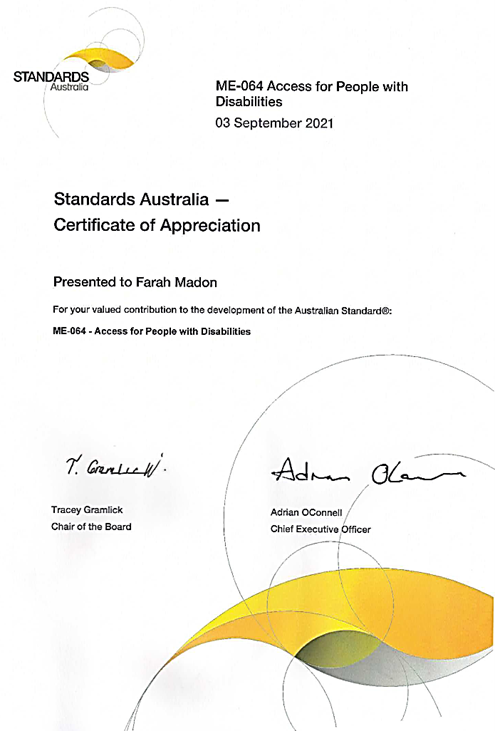
Whether through work on Australian Standards committees for accessibility standards for the built environment, serving on advisory bodies including the Penrith City Council’s Access Committee, Australian Institute of Architects's National Enabling Architecture Committee, Changing Places Australia's Technical Advisory Panel, Australian Building Codes Board's Livable Housing Implementation Advisory Committee, or through practical project delivery— each opportunity has reinforced my commitment to creating environments that truly work for everyone.

I'm sincerely grateful to the colleagues, collaborators, clients and organisations who have walked this path with me — including the ACA community, and the many dedicated professionals championing accessibility across Australia. Thank you for challenging my thinking and sharing this vision of inclusion.

Thank you also to my family, mentors, and the team at Vista Access Architects for your constant encouragement and support throughout this journey.

I'm proud to be part of a profession that can make a real difference in people's everyday lives. I look forward to continuing this work with genuine passion and contributing, however modest, to support a more inclusive and accessible Australia.' 

Farah Madon AM

  38 Hits

Which Livable Housing Design document should we use, LHA or NCC LHDS?

Livable Housing Design Guidelines (LHA) Silver level (SL) vs NCC Livable Housing Design Standards (LHDS)

LHA image


An opinion piece by Farah Madon

Farah Madon is a past Director of Livable Housing Australia and also was a member of the ABCB's (Australian Building Codes Board) Livable Housing Implementation Advisory Committee. This opinion piece is based on her experience with working on both documents being discussed in this article.


Background information

The NCC LHDS were based on LHA SL, but before we get into discussion on the differences, it is important to understand who these guidelines and standards cater for.

It is to be noted that, NCC LHDS as well as LHA SL design requirements when implemented on site,  DO NOT make the dwelling accessible, and the design features in these documents are NOT suitable for people with disabilities that use mobility equipment such as wheelchairs.

For example,

  • The doors in NCC LHDS as well as LHA SL do not need door circulation spaces which are essential for independent use by persons requiring use of wheelchair for mobility.
  • Both permit shower to be provided on an upper floor with stairway access only (even though the shower itself is required to be hobless and step free)
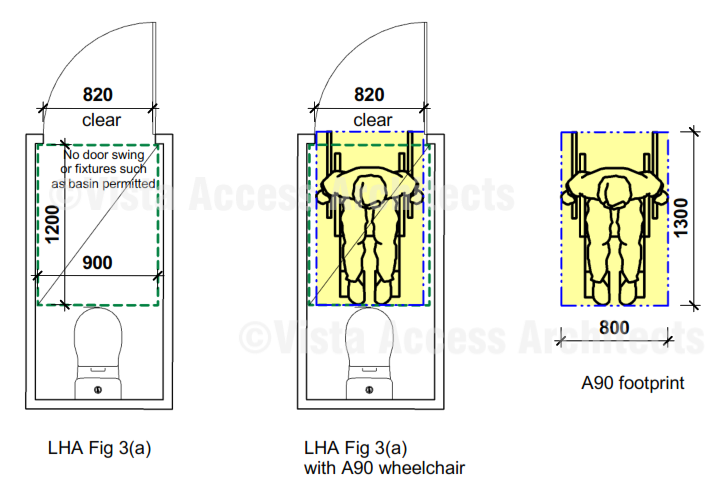
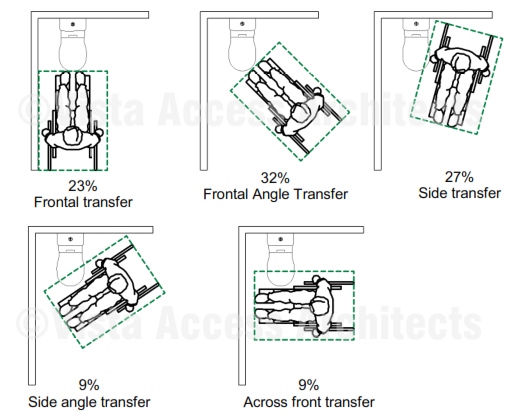
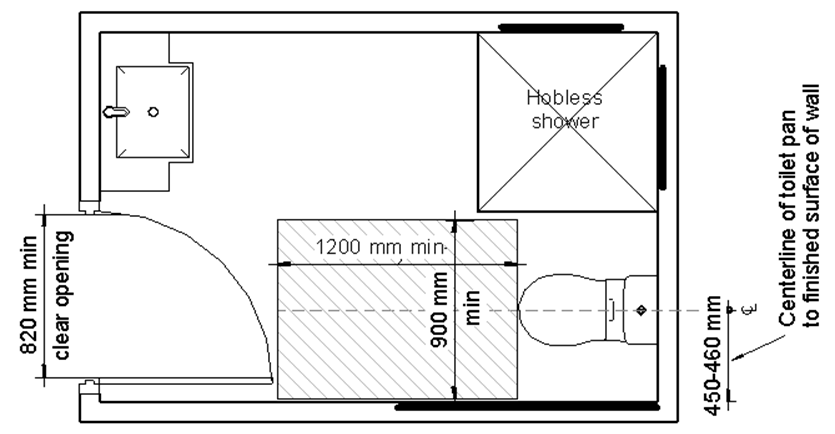
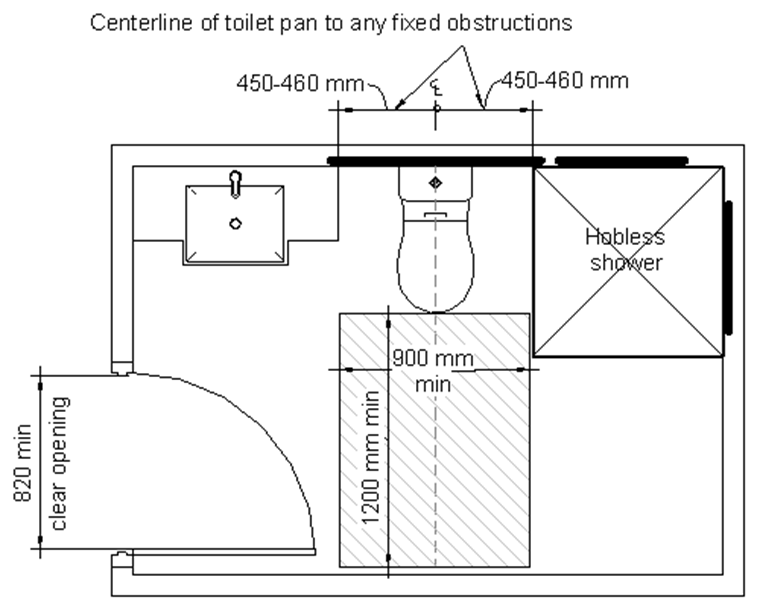
  • The only required open circulation space in front of a toilet (WC pan) is 900x1200mm which is actually smaller than a 90th percentile wheelchair footprint of 800x1300mm, so while a smaller wheelchair may possibily squeeze in, a 90th percentile wheelchair will not be able to fit in a standalone toilet, let alone a person using a wheelchair be able manoeuvre within the space to use the actual toilet pan. It is also worth noting that only 23% of users that require wheelchair for mobility can use the frontal transfer technique to the WC pan (source AS1428.1 Supplement 1993)
  • Ramps are not required to provide handrails or any other side edge protection safety features.
  • and the list goes on...

Comparsion_of_LHA.jpeg

[Figures to demonstrate the space required in a standalone toilet in LHA SL/NCC LHDS as compared to the size of a wheelchair]Transfers_2.jpeg

[Figures to demonstrate that only 23% of people that require use of wheelchair for mobility use the front transfer method to the toilet pan. Source AS1428.1 Supplement 1993]

However it is important to note that these documents are a crucial first step involving minor, cost effective, design considerations to enhance useability based on universal design principles and enable aging in place by means of

  • slightly wider doorways,
  • step free door thresholds to entry level and
  • some minor circulation space in front of the toilet pans which can be used by persons using walkers, with options for provision of wall reinforcements so that grabrails can be installed in the future for one toilet, one shower and bathtub (where bathtubs are provided)

LHA has 3 different levels with Silver (SL) being the base level which is comparable to the NCC LHDS requirements, and LHA Gold being similar to the Voluntary- beyond minimum standards. There is no proposed equivalent of LHA Platinum at this point in the NCC.

LHA (SL and Platinum) were used as a starting point for the NDIS (National disability Insurance Scheme) SDA (Specialist Disability Accommodation). However, with significant gaps and unsuitability of design features of LHA (SL and Platinum) for people that require use of mobility equipment that would hinder independent movement, LHA (SL and Platinum) was no longer considered to be suitable for use for NDIS SDA post 2019 introduction of the NDIS SDA Design Standards for new SDA dwellings.

The differences between LHA Silver level and NCC LHDS are minimal as demonstrated below


1. Dwelling Access

  • Both permit access from site boundary by means of walkways and ramps.
  • Both permit alternative access via a dedicated 3200 x 5400mm size parking space where step free pathway by means of walkways and ramps are not possible.
  • For Class 2 (residential flat buildings), both defer to the NCC requirements for access from the site boundary

Conclusion: There is no substantial difference between requirements.

2. Dwelling entrance

  • Both require a 820mm clear opening entry doorway
  • Both require a 1200x1200 flat landing space in front (external approach side) of the main entry doorway
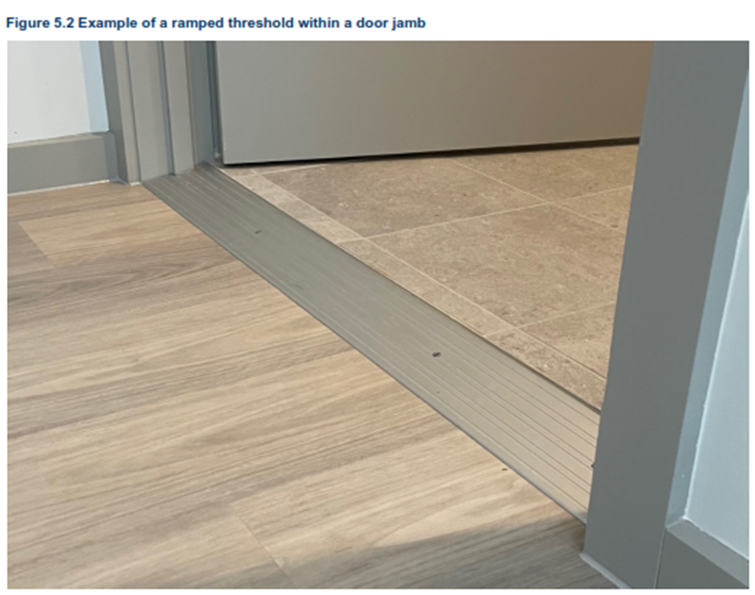
  • Both require main entry door threshold to be flush or be provided with a 1:8 grade doorway threshold ramp. However, the LHA permits a 56mm height doorway threshold ramp which means that the threshold ramp could be 450mm in depth. Whereas the NCC LHDS notes that the threshold ramp cannot exceed beyond the depth of the door jamb. Also, in NCC LHDS where there are valid specific weatherproofing concerns, a lip of max 15mm is permitted within the sill profile as well as a max 5mm between the top surface of the sill and adjoining finished surface.
  • Both require a roof covering for the main entry door and while LHA does not specify a minimum size of cover noting ‘reasonable shelter from weather’, the NCC LHDS requires a minimum of 1200x1200 roof cover.

Conclusion: In most cases NCC LHDS provides better outcomes by lower door thresholds (based on thickness of the door jamb) and also specifies a minimum roof covering as compared to LHA.


3. Internal doors and corridors

  • Both require a mimimum 820mm clear door opening to the doorways on the entry level. In addition, where the shower is not on the entry level, the clear door opening size is not mandated in LHA, however mandated to be minimum 820mm clear opening in NCC LHDG
  • While LHA requires a level transition to the habitable rooms on the entry level, NCC LHDS permits a door threshold ramp as long as it is fully within the depth of the door jamb
  • Minimum 1000mm corridor width for LHA is measured from narrowest section i.e. skirting to skirting whereas in NCC LHDS it is measured from wall to wall

Conclusion: While it could be argued that while LHA requires a higher level of amenity to internal door thresholds on the entry level as flush door threshold is required to the internal doors, it is important to note that doorway threshold ramps are permissible even for people that require use of wheelchair for mobility under AS1428.1. So, this requirement of flush door threshold could be questioned as functionality is still maintained.

Also, since the full width of the door threshold ramp is to be within the door frame, and the grade specified is a maximum of 1:8, the level difference when using a 90mm wide door jamb would be under 12mm and functionality and objectives are still met.

The same applies for the corridor widths where the measurement from walls rather than at skirtings, given that it is acceptable for a person using mobility equipment such as walkers to use a 820mm clear opening, measurement of the corridors from wall-to-wall vs skirting to skirting would not impact functionality.

Threshold_ramp_within_door.jpeg

[Above image is from the ABCB LHD Handbook, demonstrating the full threshold ramp within the door frame]


4. Sanitary compartment

  • Both require a mimumum 900x1200mm clear space in front of the WC pan,
  • The LHA mandates that the toilet pan needs to be in the corner of the bathroom, whereas the NCC LHDS does not mandate this requirement thus providing more design flexibility

Conclusion: The NCC LHDS allows for more flexibility in design of bathrooms as compared to LHA

LHA_sample_bathroom.jpeg

[Sample of LHA SL bathroom]

LHDS_sample_bathroom_1.jpeg

[Sample of NCC LHDS bathroom]


5. Shower

  • Both LHA and NCC LHDS require one hobless shower and both do not mandate locating the shower on the entry level. 

Conclusion: There is no substantial difference between requirements.


6. Reinforcement of bathroom and sanitary compartment walls

  • LHA and NCC LHDG have the same requirements for sheeting and nogging for shower
  • LHA and NCC LHDG have the same requirements for sheeting and nogging for bath tubs, however NCC LHDS permits non provision of wall reinforcements for free standing bath tubs
  • NCC LHDS permits a 600mm wide sheeting in lieu of 1000mm wide sheeting to side wall of the WC pan wall. Where the WC pan is not located on the corner wall, NCC LHDS also permits nogging to the back wall to allow for drop down grabrails. Side wall nogging that is permitted in LHA is not permitted in NCC LHDS

Conclusion: The LHA nogging option for WC pan can only be used by a specific grabrail. NCC LHDS provides better outcomes than LHA by wall reinforcement that is suitable for use by multiple grabrail designs including dropdown style grabrails (similar to ones in NCC Adult change facilities) which are one of the most common home modifications for aging in place.

The NCC LHDS allows for more flexibility in design of bathrooms as compared to LHA


7. Internal Stairways

  • LHA requires a continuous handrail on one side of the stairway. The NCC already has requirements for handrail to one side of the stairway for stairways more than 1M in height and therefore a section on stairway is not replicated in the NCC LHDS so as not to cause conflict with other NCC requirements.

Conclusion: In this case the LHA has a slightly higher level of amenity by requiring a handrail regardless of the height of the rise of the stairway. However unless the design is a split-level dwelling (ie not a full flight of internal steps leading to an upper floor level), the handrail requirements under both LHA and NCC LHDS remain the same.


Application

At this point, Livable Housing Design Guidelines are still followed in NSW by some government organisations. This is potentially since NSW government has opted out of mandating NCC Livable Housing Design Standards. This however is creating confusion in the market with 2 sets of ‘Livable Housing’ documents for developers to choose from who like to introduce Livable Housing Design features in their dwellings, especially in NSW.

I would suggest that where the option exists, choosing the NCC Livable Housing Design Standards over the older Livable Housing Design Guidelines is now the practical and future focused approach for any organisation.


The Livable Housing Design Guidelines can no longer be updated (last updated in 2017) given the fact that Livable Housing Australia as a company has been deregistered (source ASIC), which means the current guidelines cannot keep pace with contemporary construction techniques, regulatory alignment or industry practice.


In contrast, the NCC Livable Housing Design Standards have been formally adopted into the Building Code of Australia, giving them legal weight, national consistency and ongoing development through the Australian Building Codes Board.


This ensures that projects designed to the NCC Livable Housing Design Standards are aligned with current policy directions, contemporary evidence and the broader shift toward universal design in mainstream housing.


The NCC Livable Housing Design Standards provide clearer technical provisions, stronger compliance pathways and a more reliable foundation for long term universal design outcomes. Because they are embedded within the regulatory framework, they remove the uncertainty that comes with relying on a guideline that is no longer maintained and not referenced in the NCC.


Implementing the NCC Livable Housing Design Standards instead of the Livable Housing Design Guidelines therefore reduces risk, supports consistent certification processes and ensures that new dwellings are designed to meet the needs of basic universal design features. This positions the NCC Livable Housing Design Standards as the more relevant, robust and responsible choice for any project seeking to deliver meaningful universal design in residential dwellings.


Disclaimer:

This is an opinion piece by Farah Madon and in her own capacity and does not reflect the opinions of any organisations, committees or boards that she is associated with.

Copyright:

The images in this article are copyright of Vista Access Architects and unauthorised use will be considered to be an infringement of copyright laws.

  101 Hits

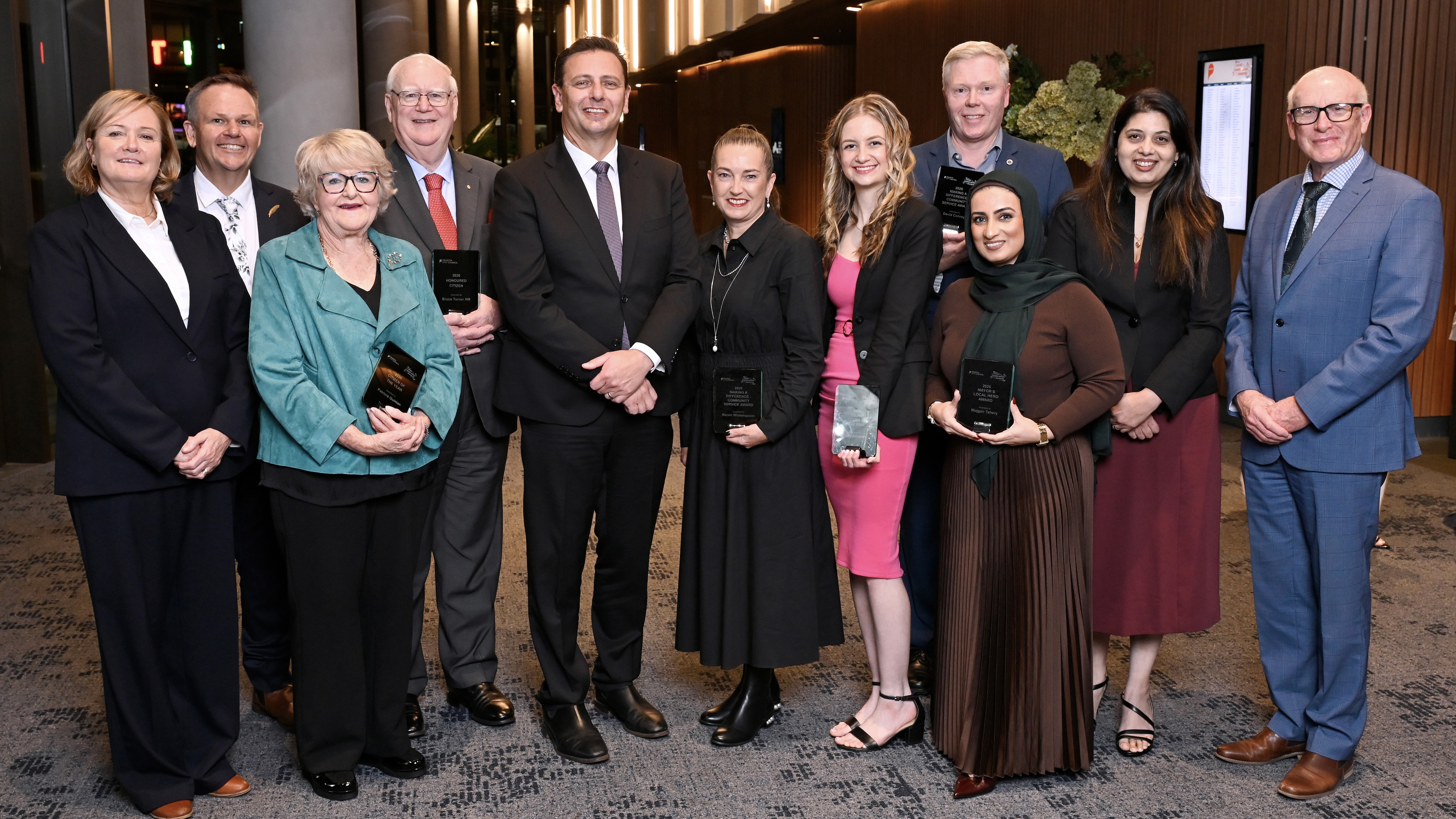
Acknowledgement of contributions to Penrith City Council’s Access Committee

PCC

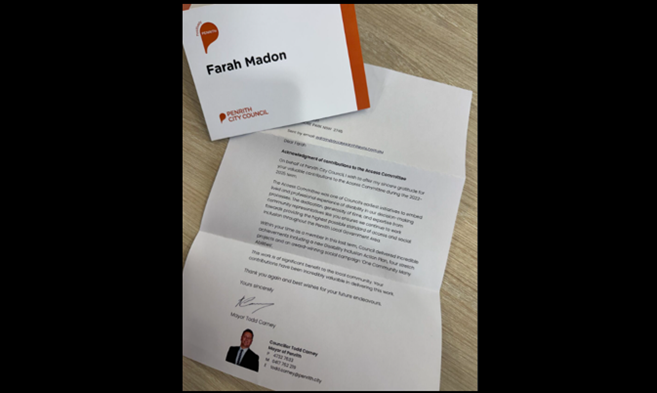
December 2025 marked 15 years of voluntary service of Farah Madon as a Community Representative Member of Penrith City Council's Access Committee, having joined the Access Committee in 2010


[Image of the Acknowledgement letter received from Mayor Todd Carney for voluntary contributions by Farah Madon on the Penrith City Council's Access Committee]

Farah notes, 'what began as a fight to ensure that accessibility to the built environment was not overlooked has grown into a shared journey of transformation.

Over these years, Penrith Council has made extraordinary strides in improving accessibility and inclusion. We have seen infrastructure such as pathways, bus stops, play areas improved and attitudes shift toward genuine inclusion, resulting in independence, and opportunity for all members of our community.

I am humbled to have played a small part in this journey.

My thanks go to the dedicated staff, Councillors of Penrith City Council, Mayor Todd Carney (GAICD), Access Committee Chairperson Hollie McLean, fellow Access Committee members who have been on this journey with me.'


  26 Hits

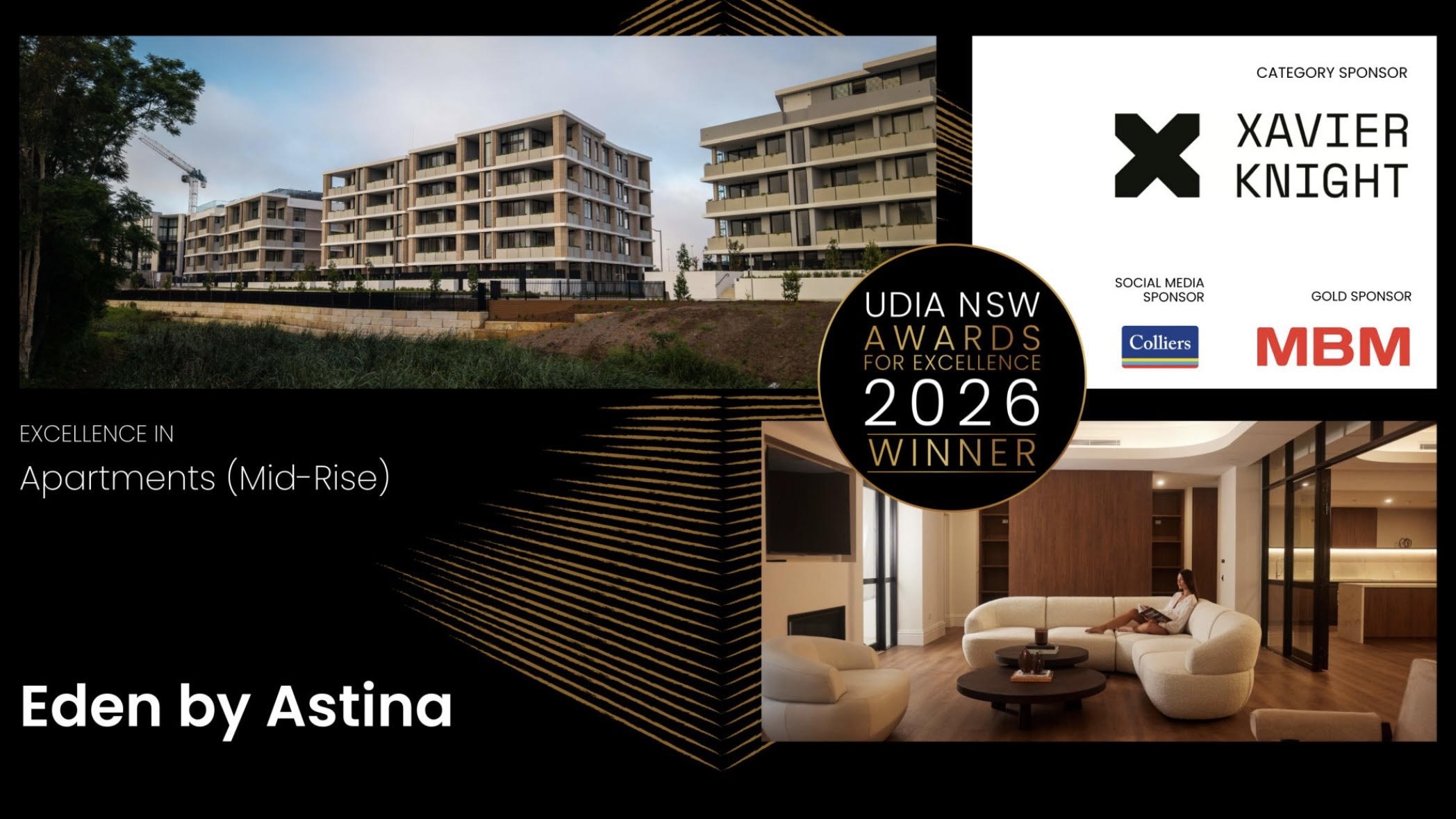
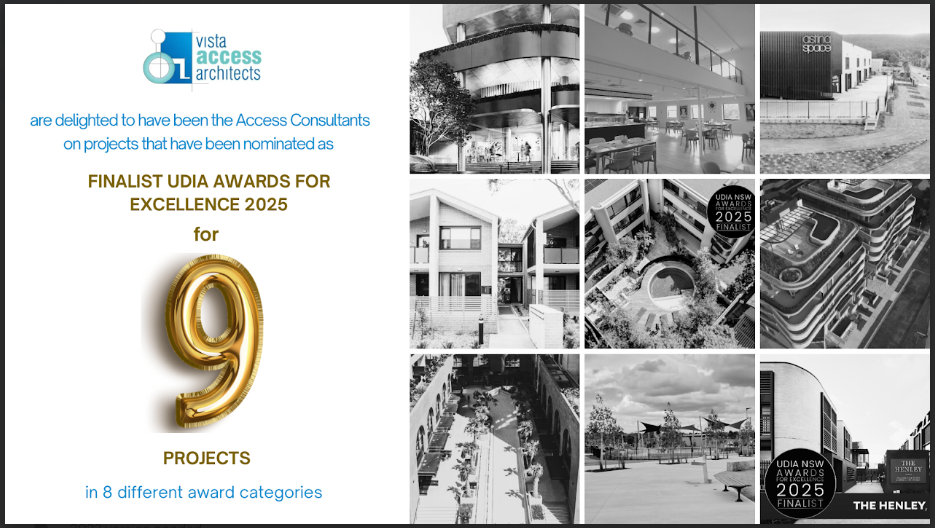
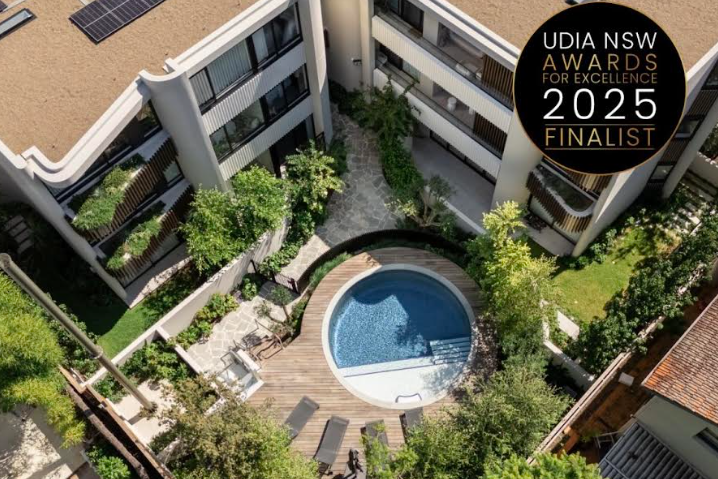
9 of Vista Access projects Finalists in UDIA NSW AWARDS FOR EXCELLENCE 2025


Awards1.jpeg


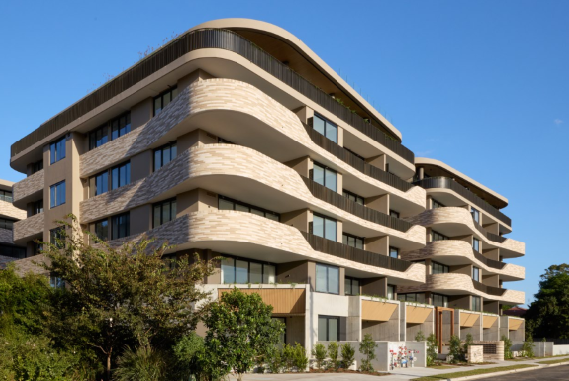
It is a huge honour for a project to be nominated as a Finalist in UDIA NSW AWARDS FOR EXCELLENCE 2025, but to have 9 of our projects where we have been the Access and Inclusion consultants, completed in the past 12 months to be nominated as Finalist in 8 different categories, means we must be doing something right !

Our thanks go out to our Clients and their fabulous Architects and team of consultants. Accessibility and Inclusion being part of the project from the very beginning can provide some truly amazing resultants. Congratulations to all involved !

1. Apartments- High-Rise category
Charlie Parker - Coronation Property & Nation

Architect- FJMT Architects
Builder - MN Builders/Coronation

Charlie_parker.jpeg

2. Apartments- High-Rise category

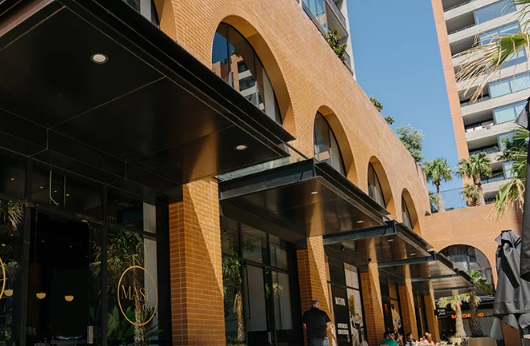
Mason & Main - Coronation Property

Architect -Kann Finch
Builder - MN Builders/ Coronation

Mason_and_Main.jpeg

3. Apartments Mid-Rise <200 category
Solis by Astina

Architect- Integrated Design Group
Builder Astina

Astina_Solis.jpeg

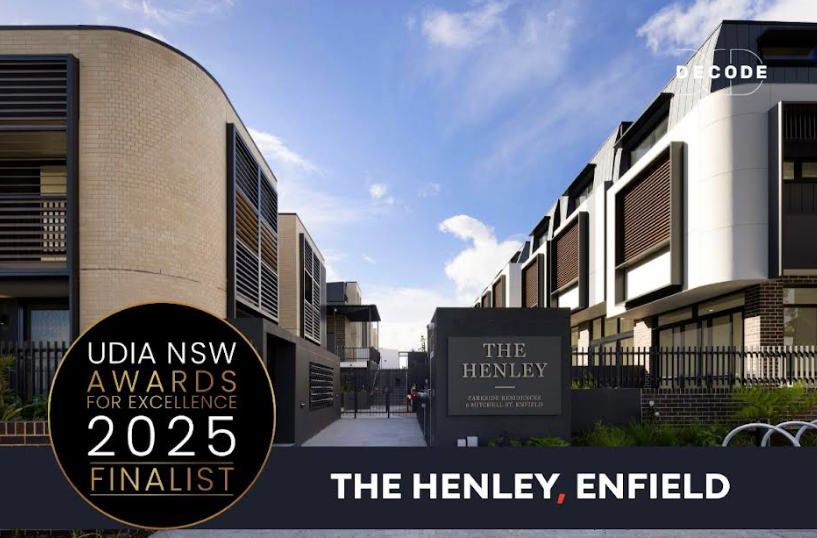
4. Boutique development category
The Henley, Enfield by Decode and Tian An Enfield

Architect - DKO Architecture
Builder - Decode

Decode.jpeg

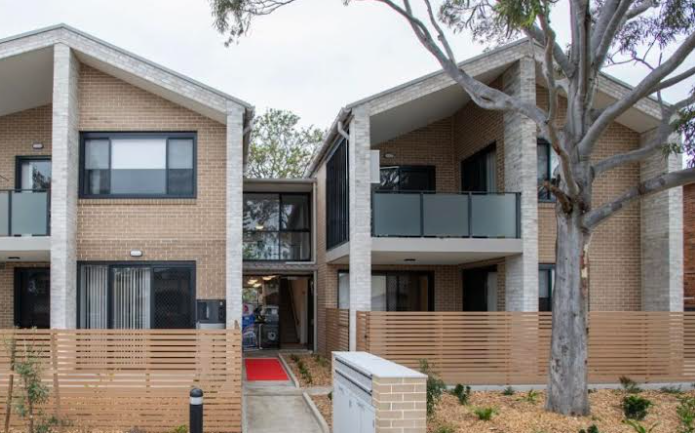
5. Affordable housing category
289 Beauchamp Rd, Matraville

Architect- Collard Maxwell Architects
Builder - Degree Constructions

Matraville.jpeg

6. Retirement Living category
Uniting Leichhardt

Architect- Group GSA
Builder- Growthbuilt

Uniting.jpeg

7. Design Category
Mira by Clutch

Architect- PBD Architects
Builder - Lords Group

Mira.jpeg

8. Industrial Development category
Astina Space by Astina

Architect- Integrated Design Group
Builder- Astina

Astina_Space.jpeg

9. Social and community infrastructure
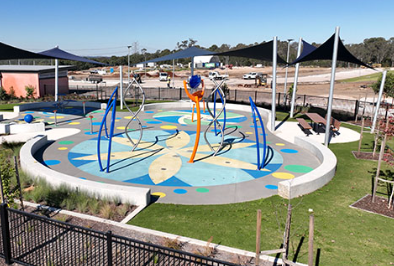
Gipps Street Recreational Precinct, by Penrith City Council

Gipps.jpeg

Architect- Group GSA Pty Ltd
Builder - Coverit Building Group Pty Ltd

  855 Hits

NDIS SDA Building Type – House vs Villa and Number of permissible Villas clarified

This article is to illustrate NDIA’s general position to interpreting Item 3 (c) of Schedule 1 of the SDA Rules which will be applied from Tuesday 25 March 2025 to enrolment applications received after this date (or those that are pending). It is not retrospective. 


SDA Rules:

Schedule 1 of the SDA Rules notes- SDA building types, House – feature (c) and (e) as noted currently in the rules are as noted below

The features of a House are as follows:

(c) it has no shared wall, roof, entry area, driveway, carpark or outdoor area with any other dwelling other than an ancillary villa, townhouse or duplex that has no more than one resident;

(e) the parcel of land on which the house is located has no more than 2 ancillary villas, duplexes or townhouses.

The word ‘an’ means ‘one’ and therefore it would be reasonable to mean that the following options are some designs that would be permissible under the current SDA Rules

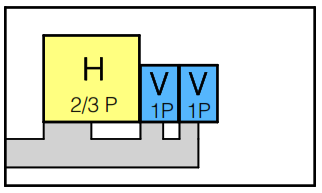
(Legend for provided figures, H- House, V- Villa, P – number of SDA participants, Grey areas represent driveways)

[Above image shows, House has no shared wall, roof, entry area, driveway, carpark or outdoor area with any other dwelling other than an ancillary villa, townhouse or duplex that has no more than one resident (SDA participant)]


[Above image shows, House has no shared wall, roof, entry area, driveway, carpark or outdoor area with any other dwelling other than an ancillary villa, townhouse or duplex that has no more than one resident (SDA participant)]


[Above image shows- A parcel of land on which the house is located has no more than 2 ancillary villa(s), townhouse(s) or duplex(es).]


The change to interpretation of the SDA Rules:

The NDIA has advised that they will interpret the SDA Rules as follows:

A house has no shared wall, roof, entry area, driveway, carpark or outdoor area with any dwelling other than up to 2 ancillary one bedroom, one SDA eligible resident villa(s), townhouse(s) or duplex(es).   

This means that a house may share, for example, a driveway or walls, with up to 2 one bedroom, one SDA eligible resident ancillary villas, townhouses or duplexes.   

Therefore below is one of the possible options that would now be considered as a possible option for SDA funding


What is meant by ‘ancillary’?

The NDIA has also elaborated on what is meant by ‘ancillary’ Below text is from the NDIA’s website

A house can’t share aspects set out in Item 3 (c) or be on a parcel of land with villas, townhouses or duplexes, unless they are ancillary to the house. 

If they are not ancillary, then the proposed ‘house’ does not have the features of a house under the SDA Rules. The SDA provider may consider whether the dwelling meets the SDA Rules in relation to a villa, townhouse or duplex. This is consistent with the Agency’s current practice. 

A villa, townhouse or duplex is ‘ancillary’ to the house if it is not the main dwelling on the land but is a secondary dwelling. That is, the land is used predominantly for the house, and incidental to that use there are additional dwellings.  

This is what distinguishes a house with one or two ancillary dwellings from, for example, a complex of villas, duplexes or townhouses.  

In considering whether dwellings are ‘ancillary’ to the proposed house, the NDIA will take into account a range of factors which may include the size of the proposed house and the difference in features between the proposed house and the other dwellings. An ancillary dwelling does not need to be attached to the main dwelling or share features to be considered ‘ancillary’.  

We encourage SDA providers to consider whether the house is clearly the primary residence on the land parcel, so that an ordinary observer could readily identify which was the house and which were the ancillary dwellings.  

Implementation:

The NDIA’s general position to interpreting Item 3 (c) of Schedule 1 of the SDA Rules will be applied from Tuesday 25 March 2025 to enrolment applications received after this date (or those that are pending).

Role of SDA Assessor:

It is not the role of the SDA Assessor to give a definitive decision on the dwelling type. This can only be done by the NDIA.  References in the design standard certification documentation to building type are to a ‘proposed’ building type only.


Disclaimer:

This article is based on Vista Access Architect’s personal interpretation. This article is not endorsed by the NDIA and users are advised to make their own inquires directly with NDIA.

Image Designed by Freepik

  3864 Hits

Accessibility study for the 2032 Brisbane Athletes Village for the Office of the Olympic and Paralympic Games

One of our most exciting projects of 2024 was working on a project for the Brisbane Athletes Village for the Office of the Olympic and Paralympic Games (QLD Department of State Development, Infrastructure and Planning). 

BrisbaneThis project involved preparing a detailed study document between the requirements for the Athlete villages outlined in the International Paralympic Committee’s Accessibility Guide against the NDIS SDA Design Standards, Adaptable Housing Standards, Livable Housing Standards and the NCC Liveable Housing requirements. 
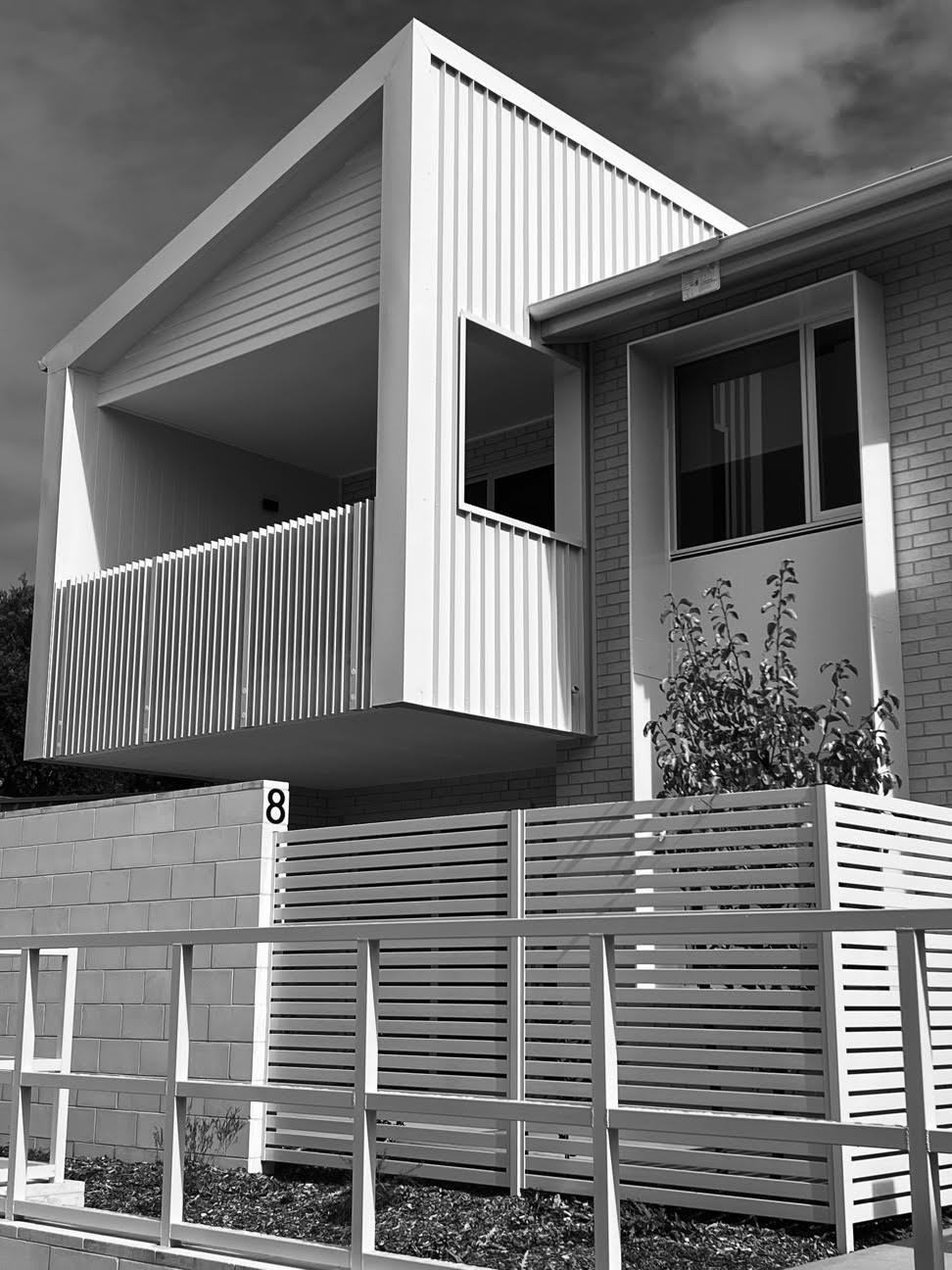
This study will feed into the guidelines for the design of the Athletes Village.

It has been an absolute honour to be part of this amazing project.

  1944 Hits

Social Housing Project in Moruya

Moruya Project

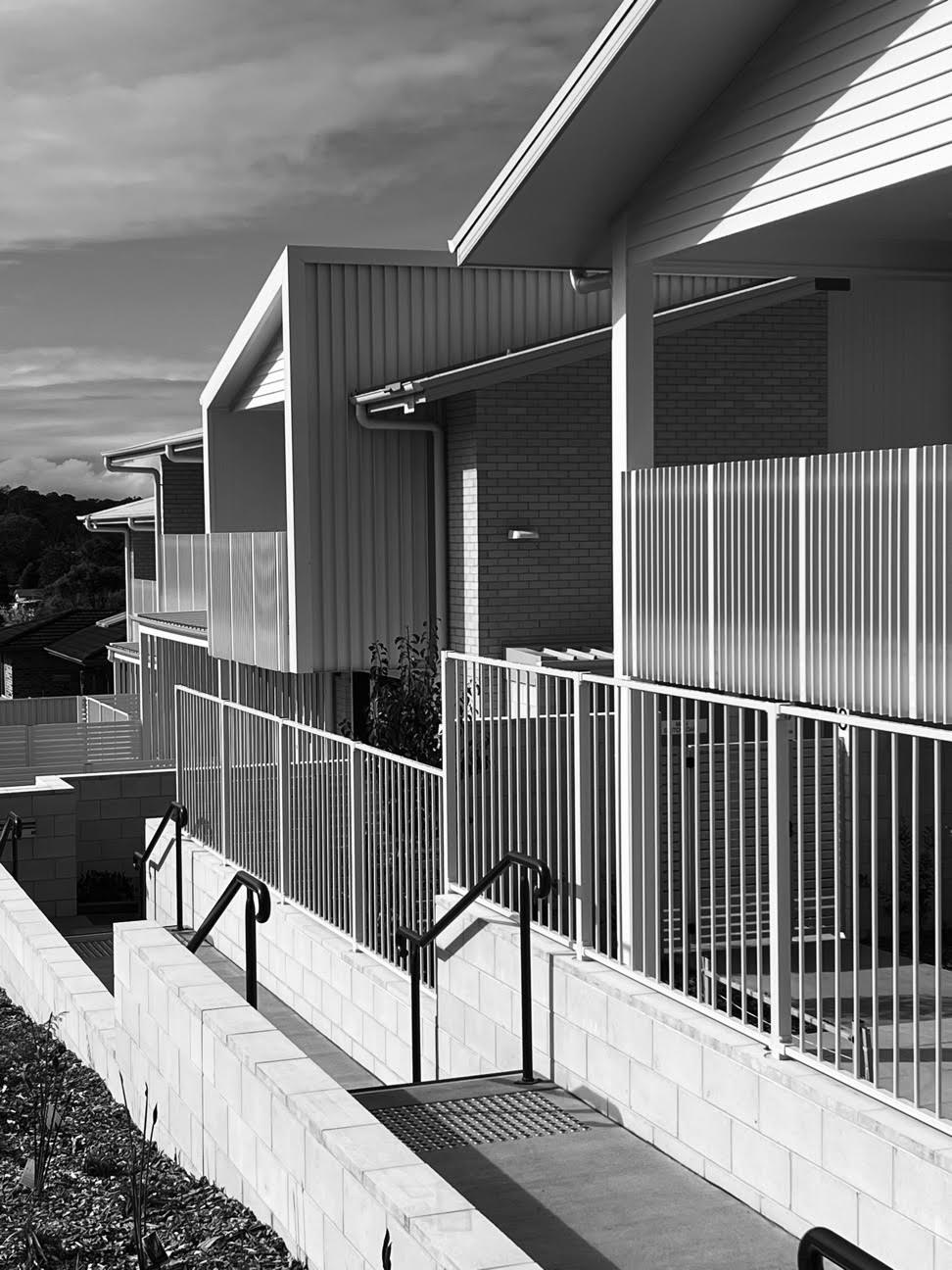
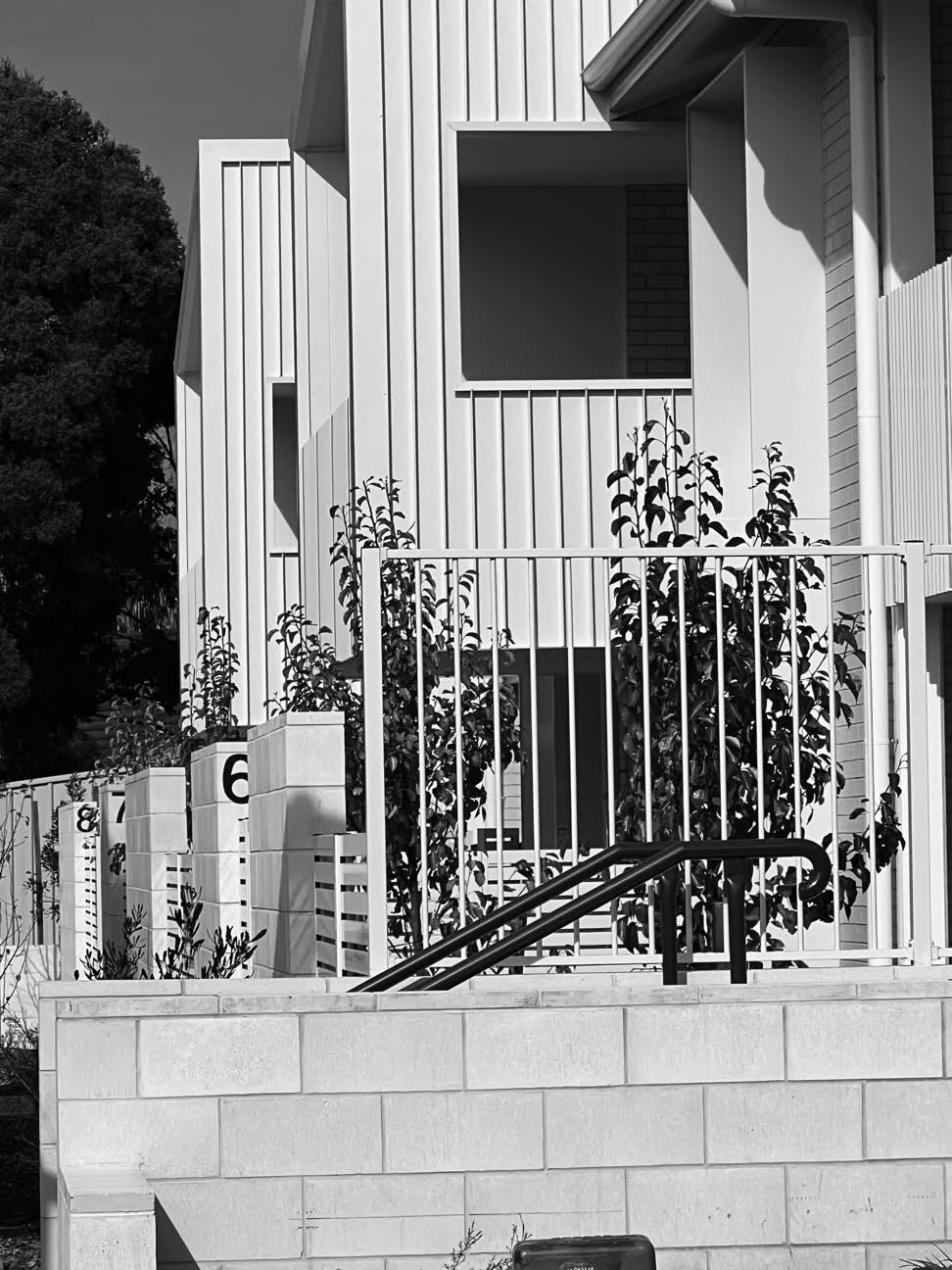
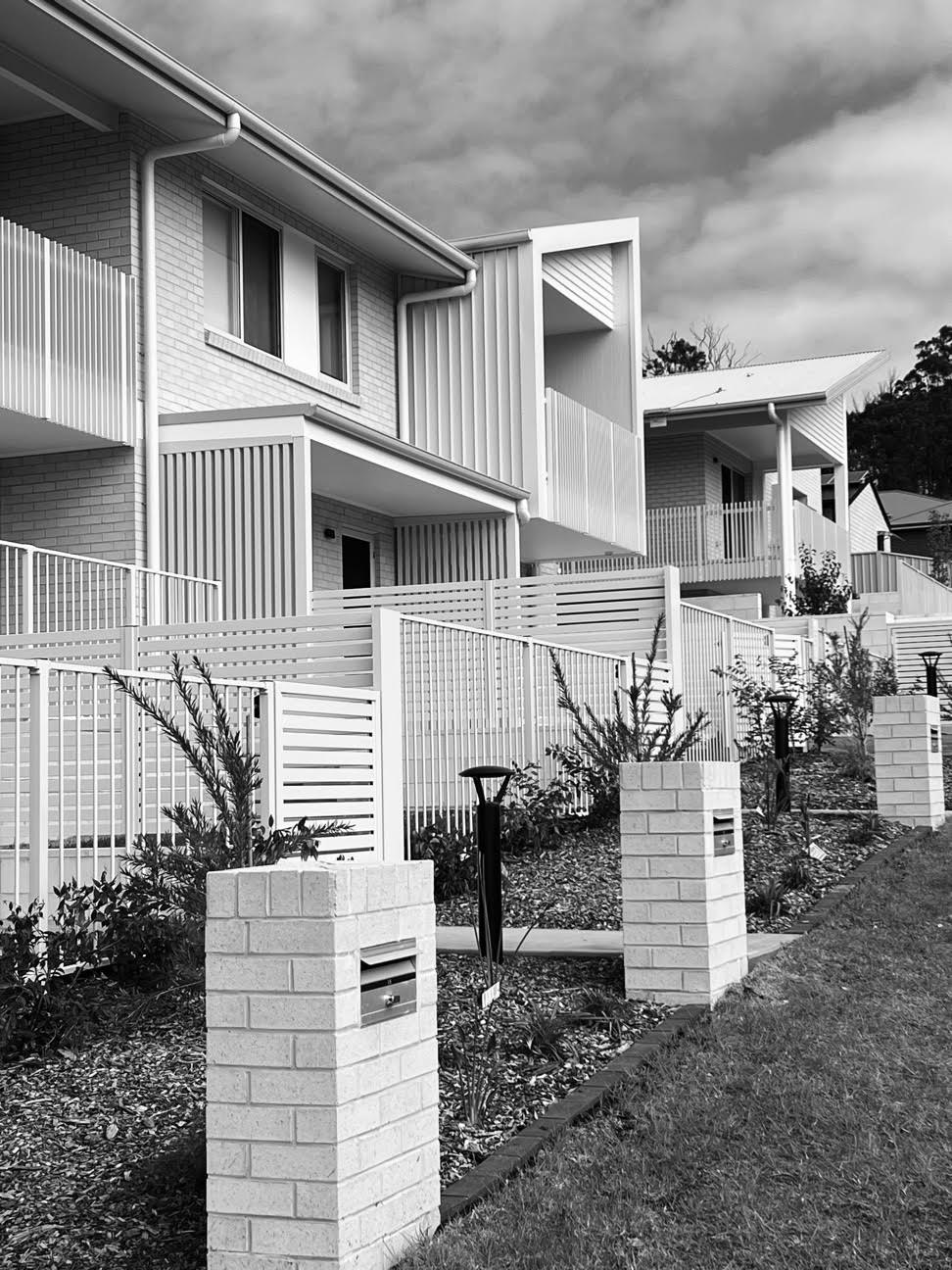
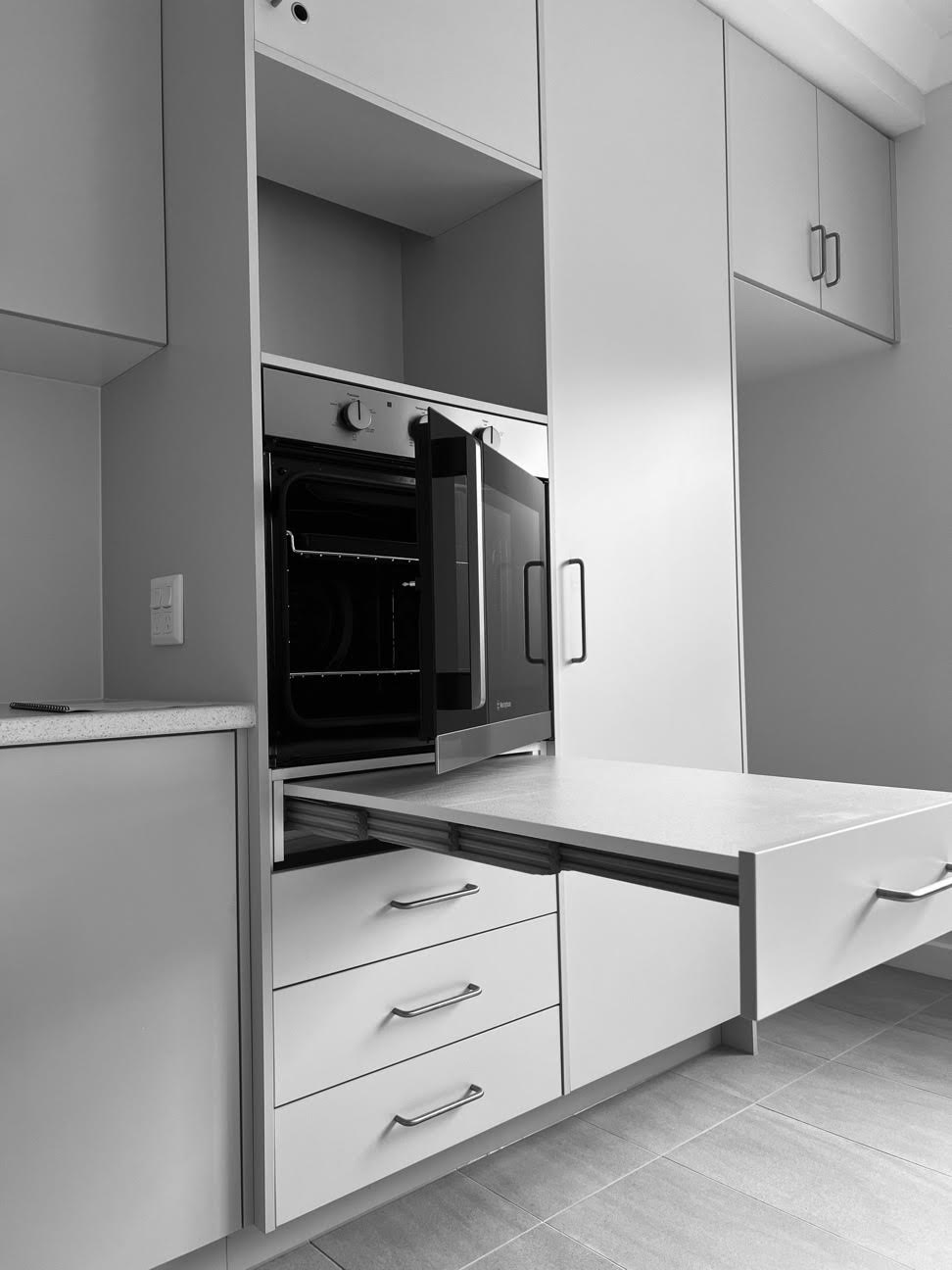
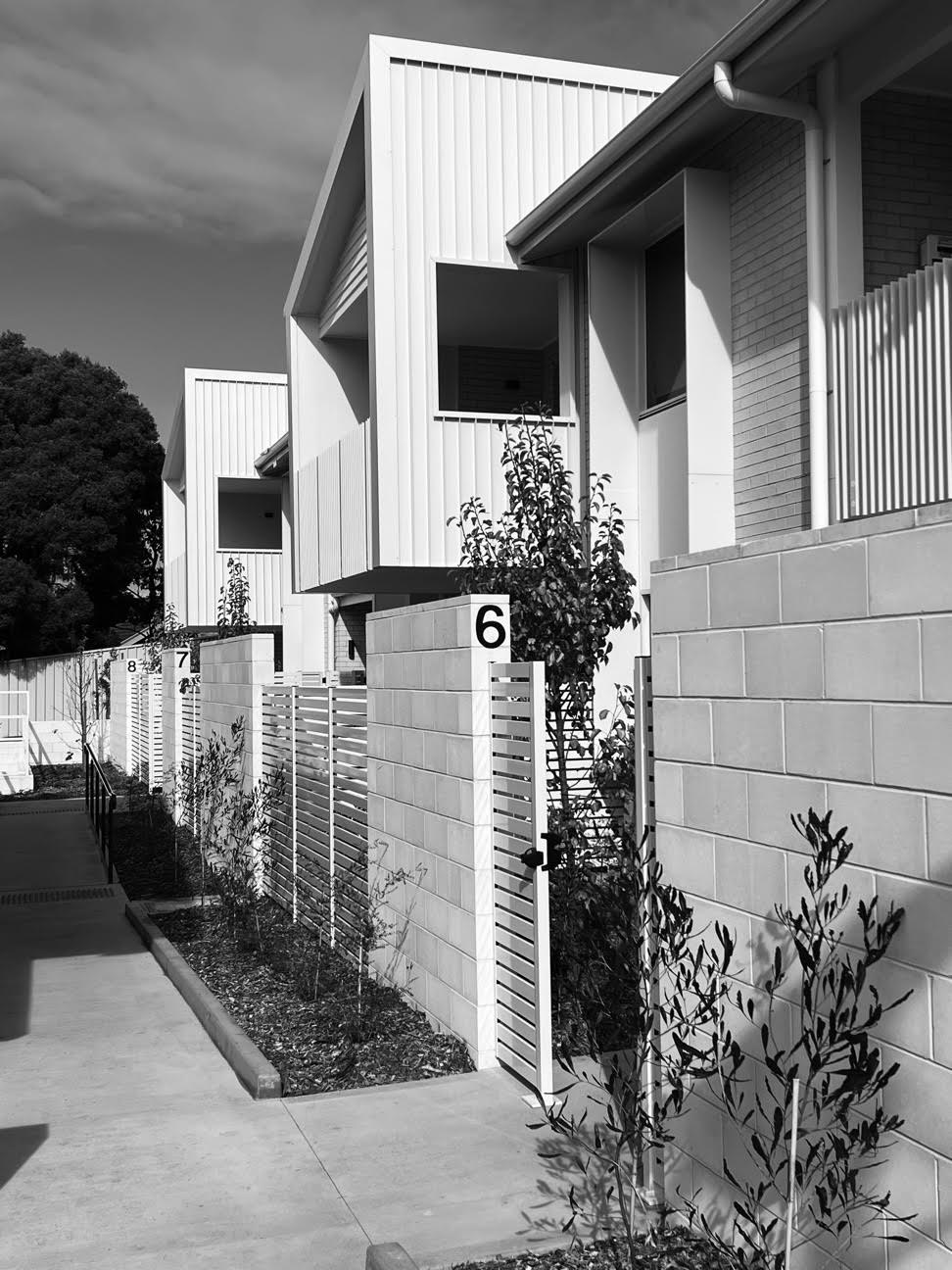
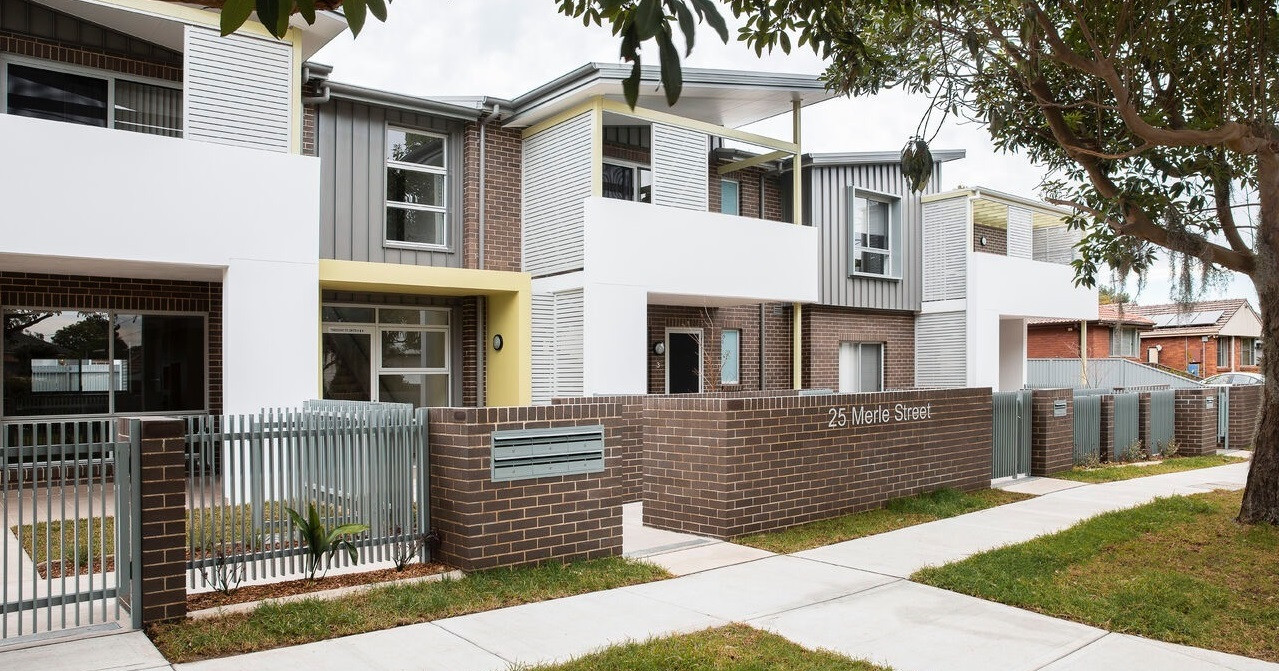
Presenting of our recently completed projects for LAHC (Homes NSW) in Moruya

These dwellings have been developed as social and affordable housing with adaptable units.

 Architect: Anthony Nolan of Kennedy Associate Architects


Builder: Westbury Constructions

  2176 Hits

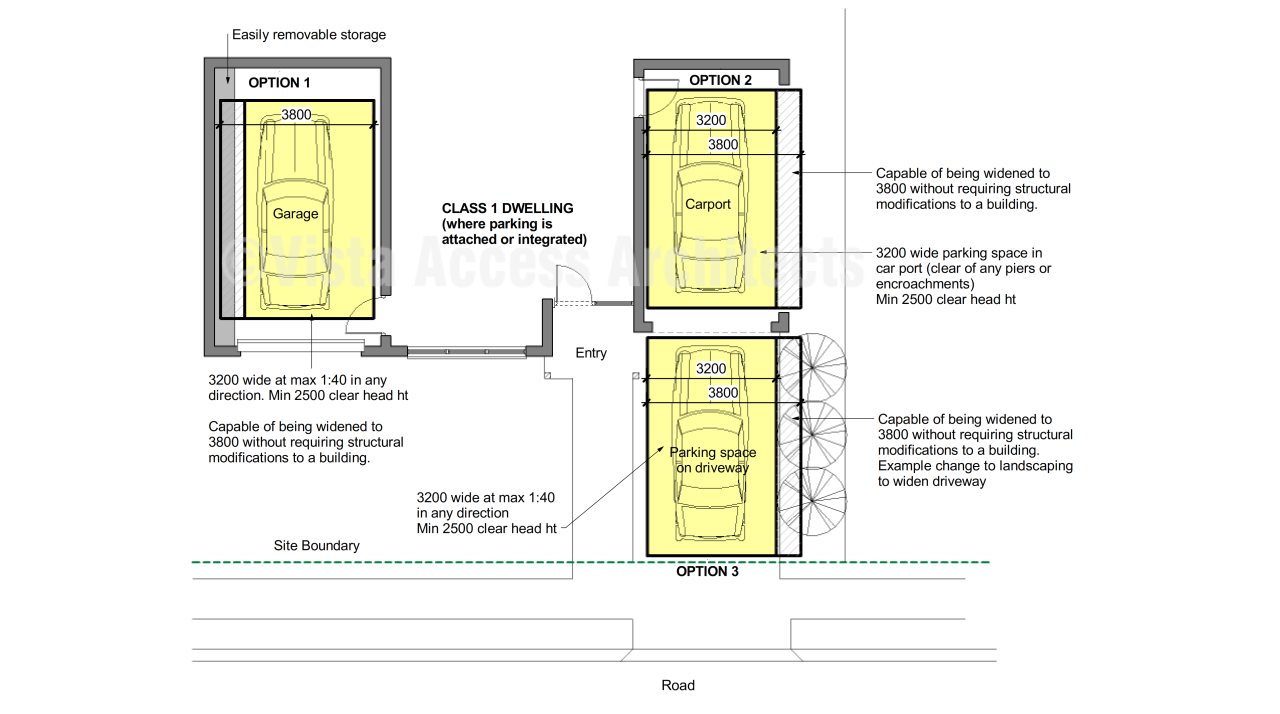
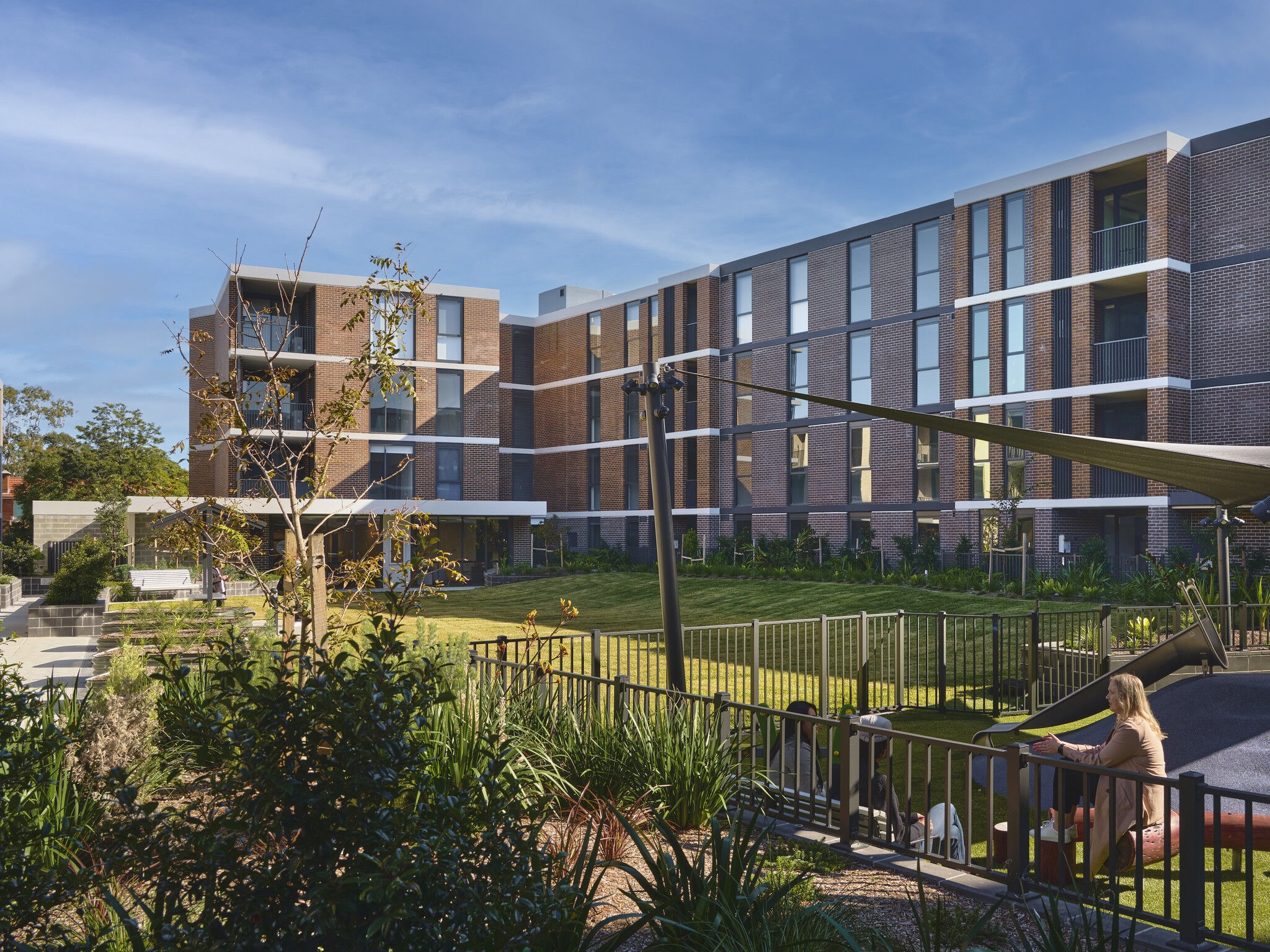
Analysis of the 2024 car parking requirements under SEPP Housing 2021 for Seniors and People with a disability.

Analysis of the 2024 car parking requirements under SEPP Housing 2021 for Seniors and People with a disability.

[Class 1 parking options as per SEPP Housing 2021 (2024 version)]

Below is the link to a short video discussion by Farah Madon, Vista Access Architects, analysing the new car parking requirements under SEPP Housing 2021 for Seniors and People with a Disability that was released in Jan 2024. 

All opinions are based on our interpretation of the standards and viewers are urged to use the information at their own risk.


  3985 Hits

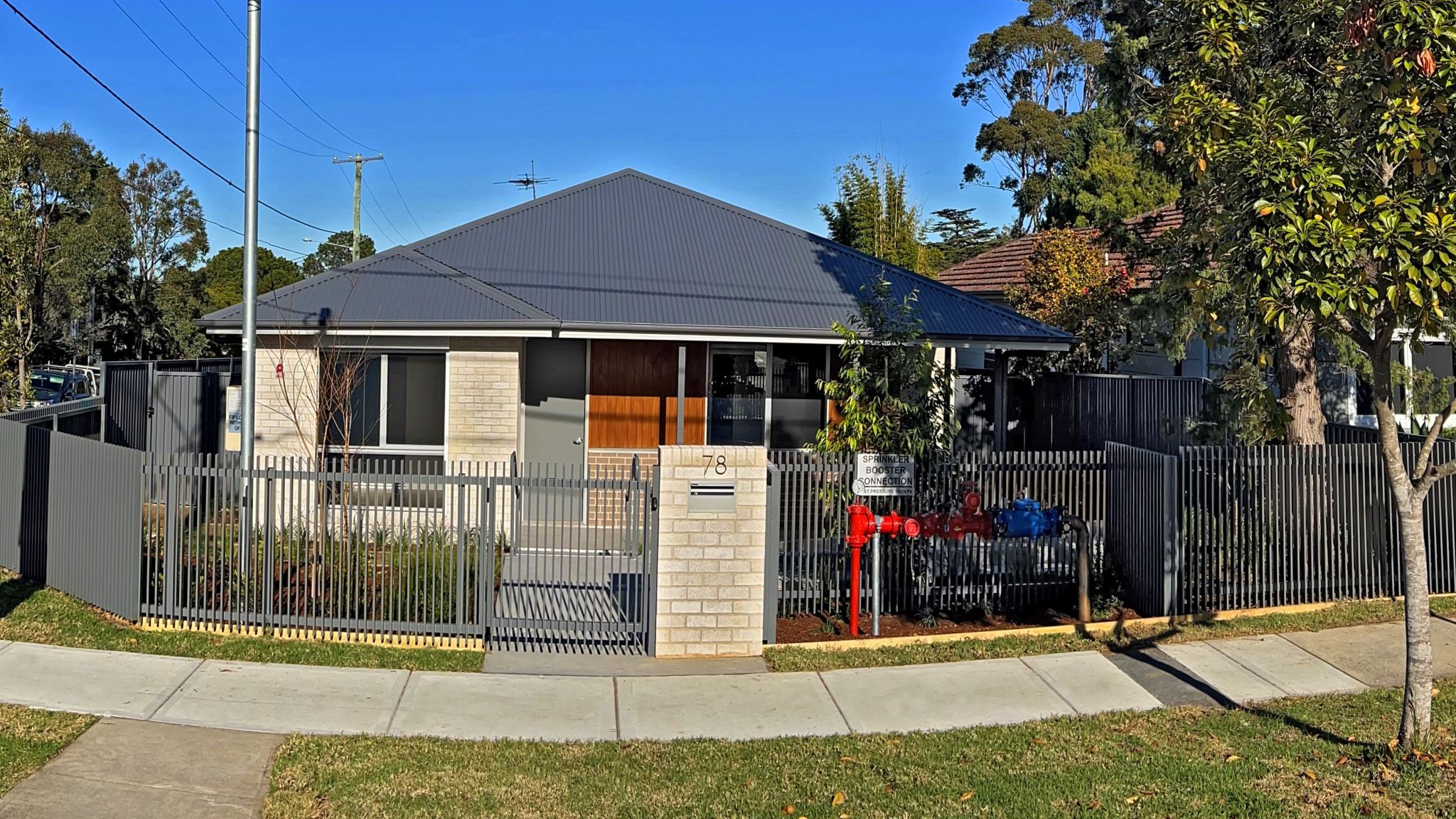
Bespoke SDA Robust Housing in North Ryde NSW

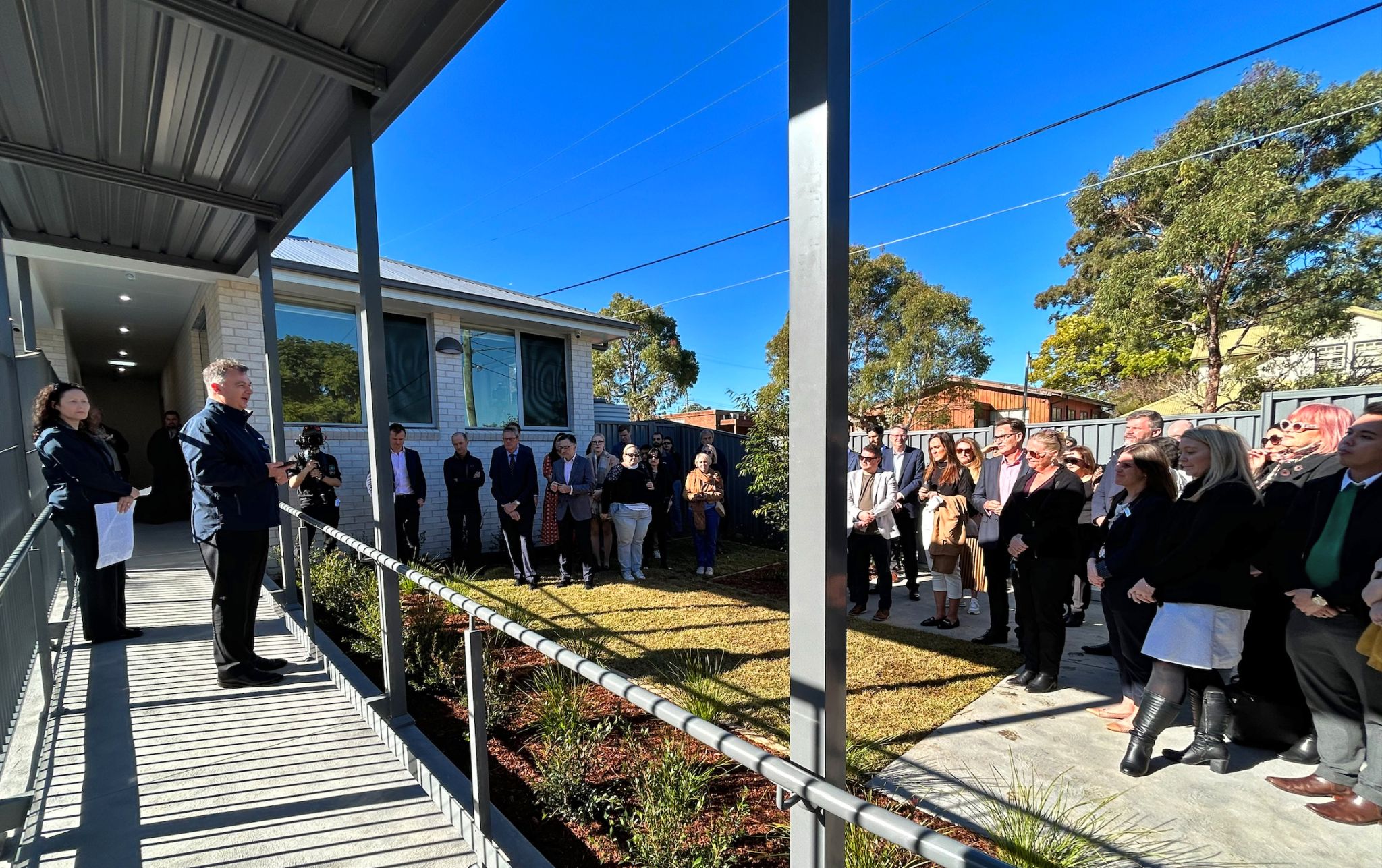
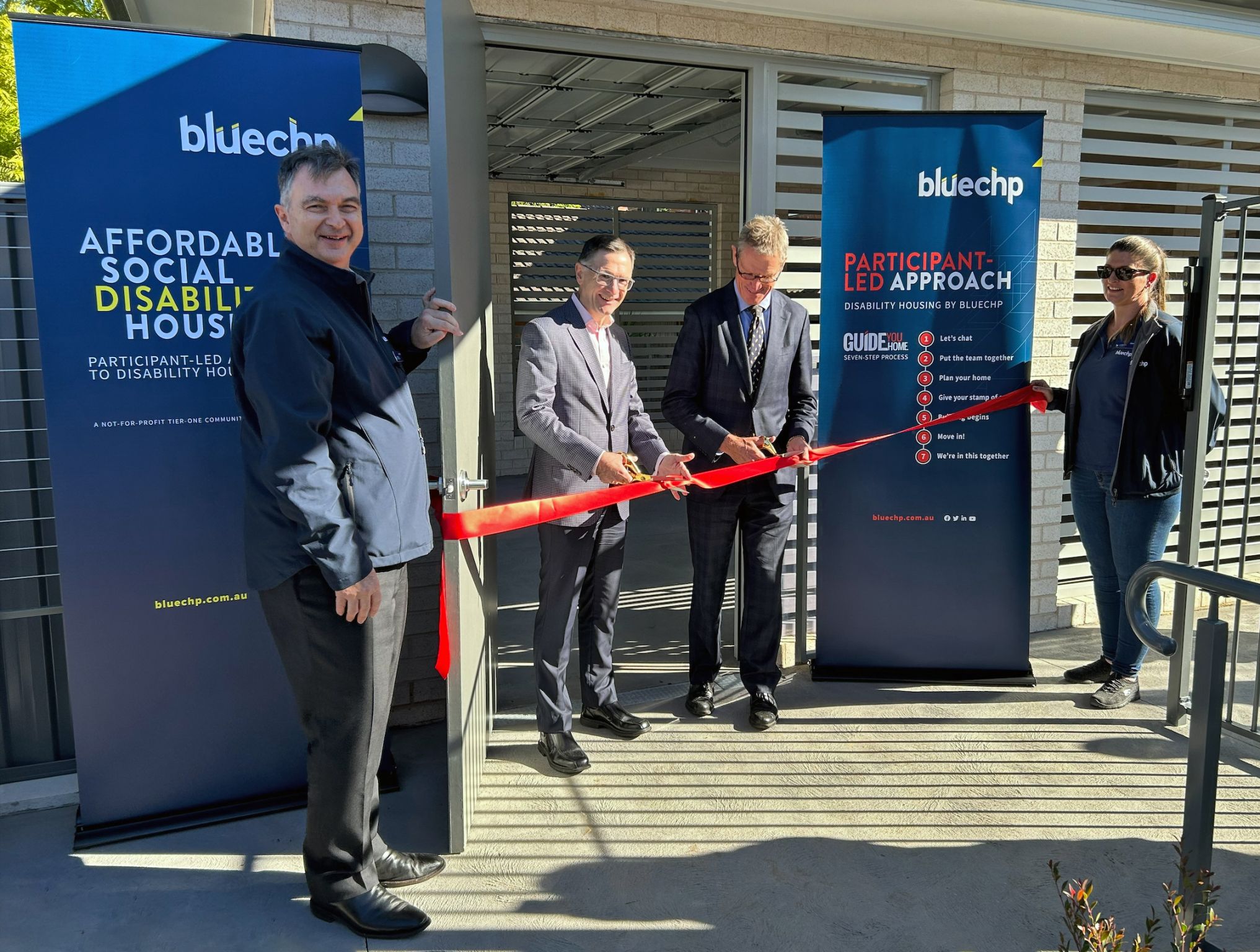
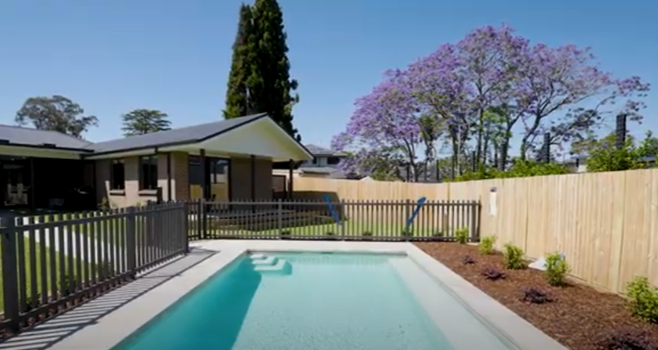
1688725407982Vista Access Architects have recently certified another fantastic SDA Robust House in North Ryde NSW for BlueCHPdesigned to meet the individual needs of the three young ladies who will soon call it their forever home.
Architect: Anthony Nolan, Kennedy Associate Architects

Builder: Ronnie, Beaini, Academy Constructions

This is a participant led SDA Housing by BlueCHP to provide bespoke style housing for SDA participants.

  2975 Hits

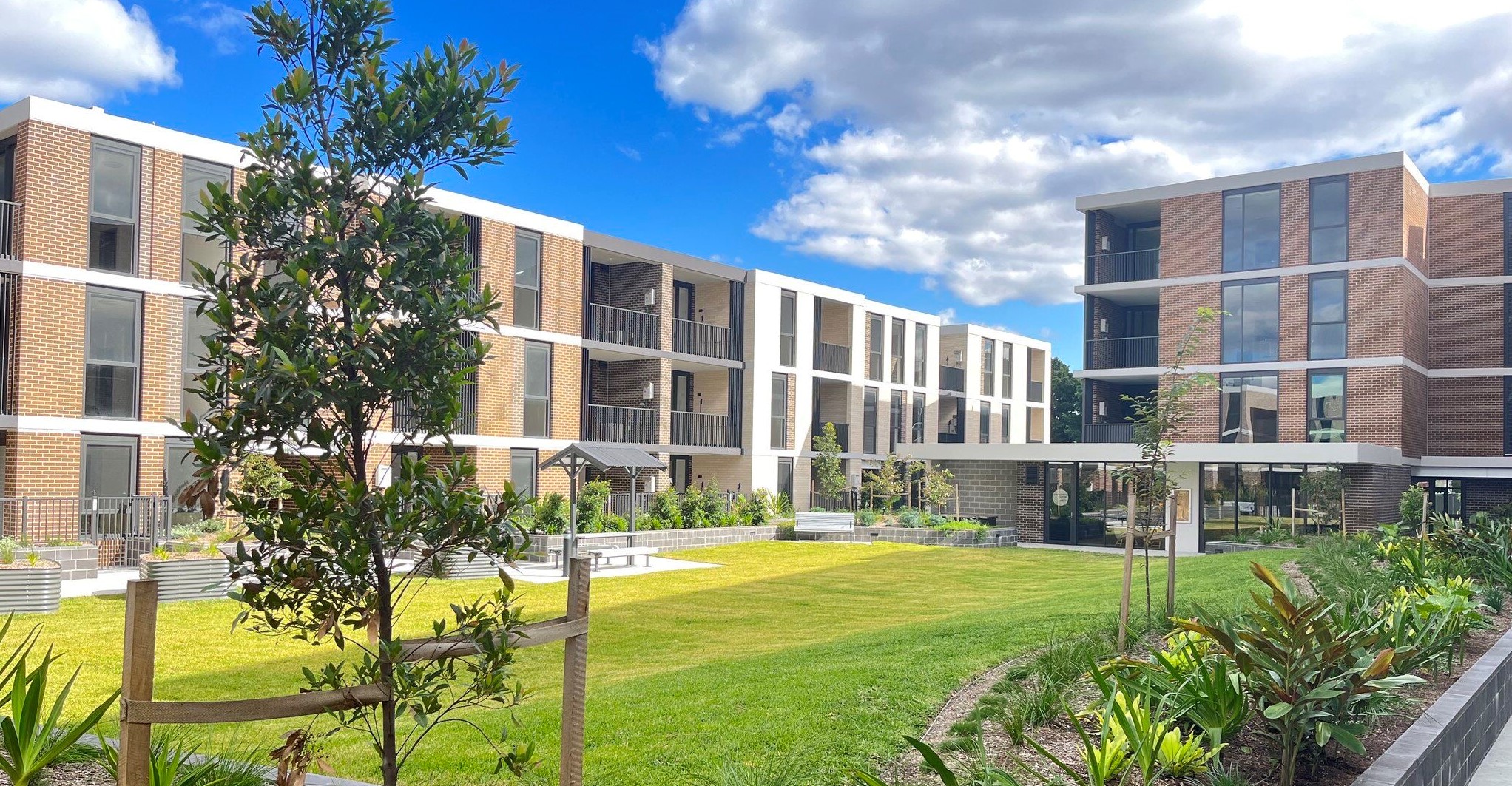
BaptistCare Carlingford

BaptCare

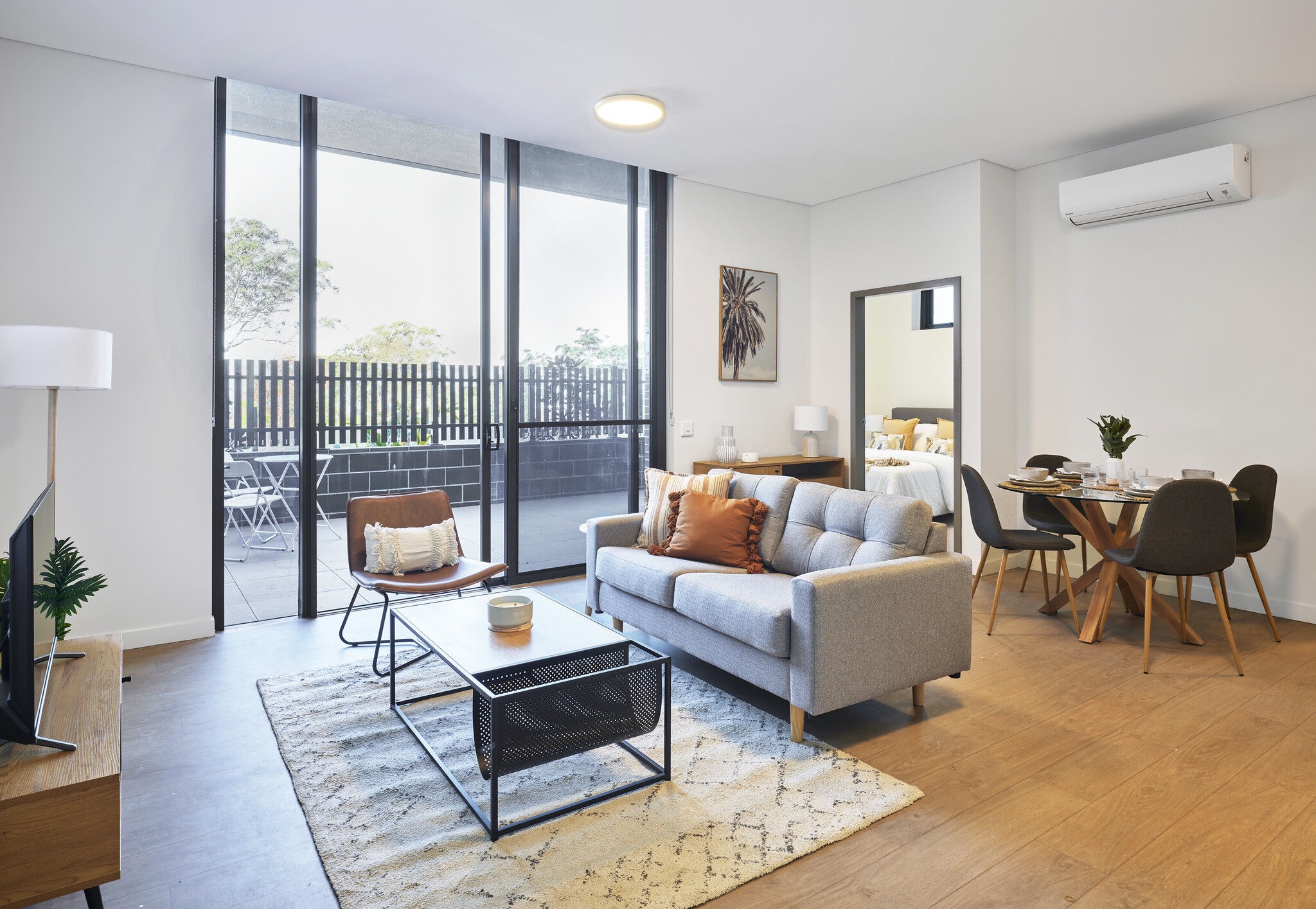
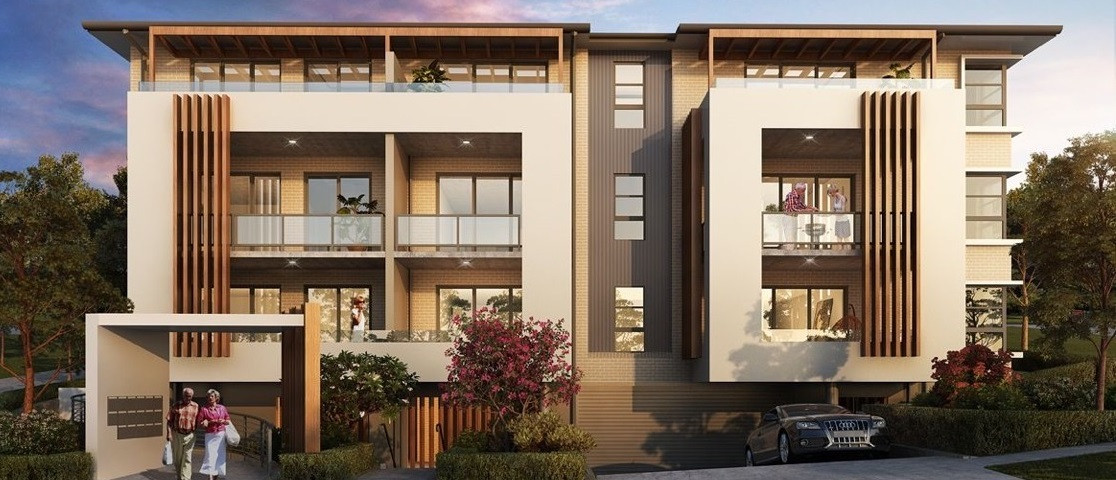
Vista Access Architects recently certified the 162 dwelling project at Carlingford for BaptistCare for LHA (Livable Housing Australia) Silver level.

These 162 dwellings have been developed as social and affordable apartments for seniors and single parent families.


  2636 Hits

SDA apartments certified in Blacktown

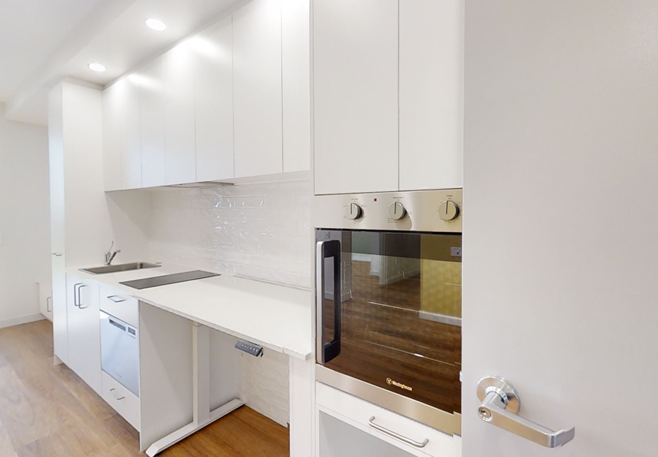
Vista Access Architects recently certified 6 NDIS SDA apartments in Blacktown NSW
Architect: Anthony Nolan - Kennedy Associates Architects

SDA Provider: Nationwide Care Plus

Builders: Civic Properties

3D- Virtual walkthrough LINK HERE

  2992 Hits

Participant led SDA Robust Housing in Rydalmere NSW

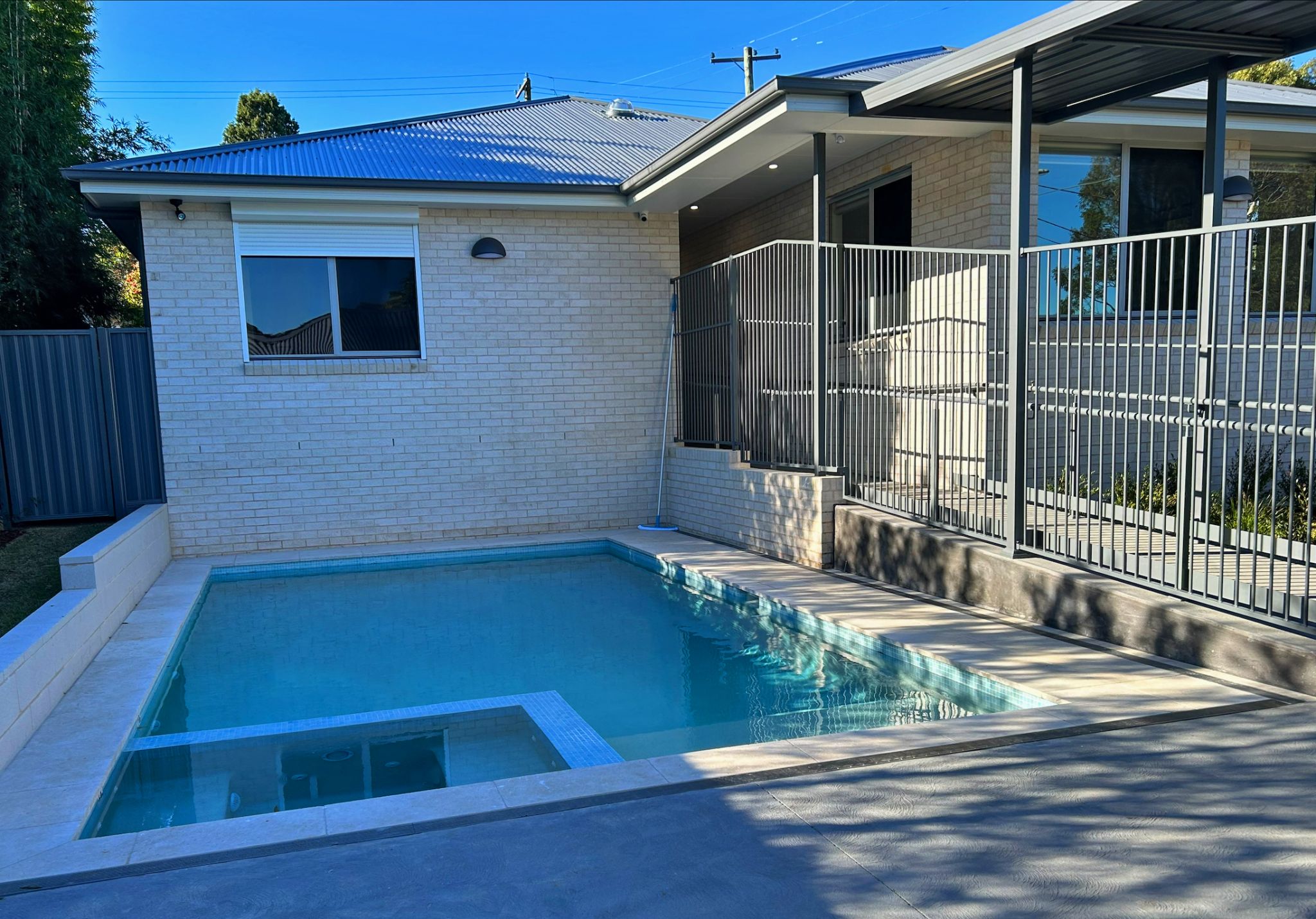
Robust house certified by Vista Access Architects - Photo shows a swimming pool next to a single storey houseVista Access Architects have recently certified a Robust home for 2 (two) SDA participants in NSW.
Architect: Anthony Nolan, Kennedy Associate Architects

Builder: Trinity Building

This is a participant led SDA Housing by BlueCHP to provide bespoke style housing for SDA participants.

 Some of the unique features include:

- Security Screens on inside rather than outside of the windows with blinds in between

- Swimming pool

- Separate wings for both participants with each having their own private living space as well as a common living space.

- Window panels provided in common use doors so that the carers can see through before they open the door

- Living rooms with 2 points of exits

- Floor heating so participantes can comfortably sit on the ground in winter


  3113 Hits

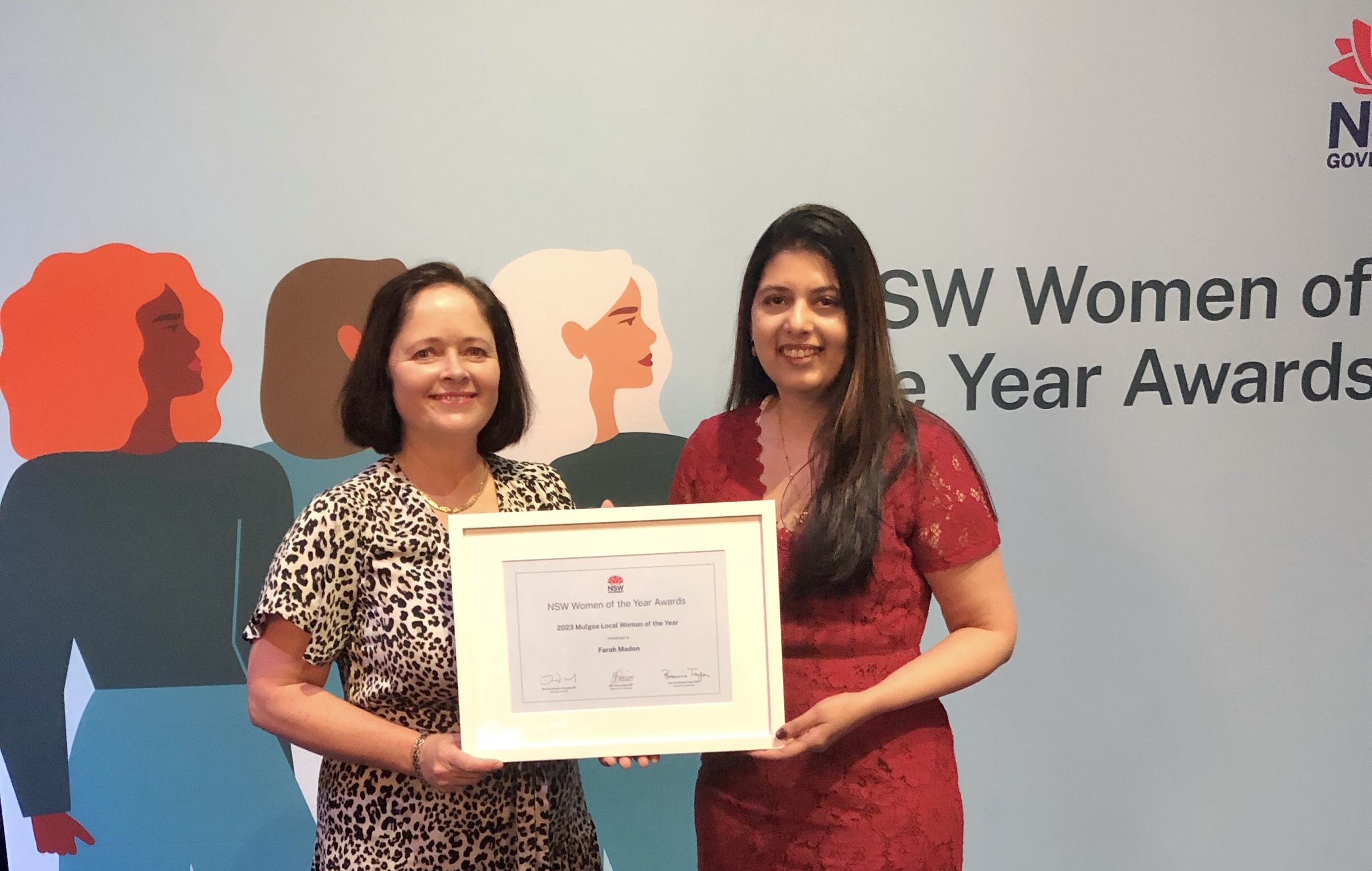
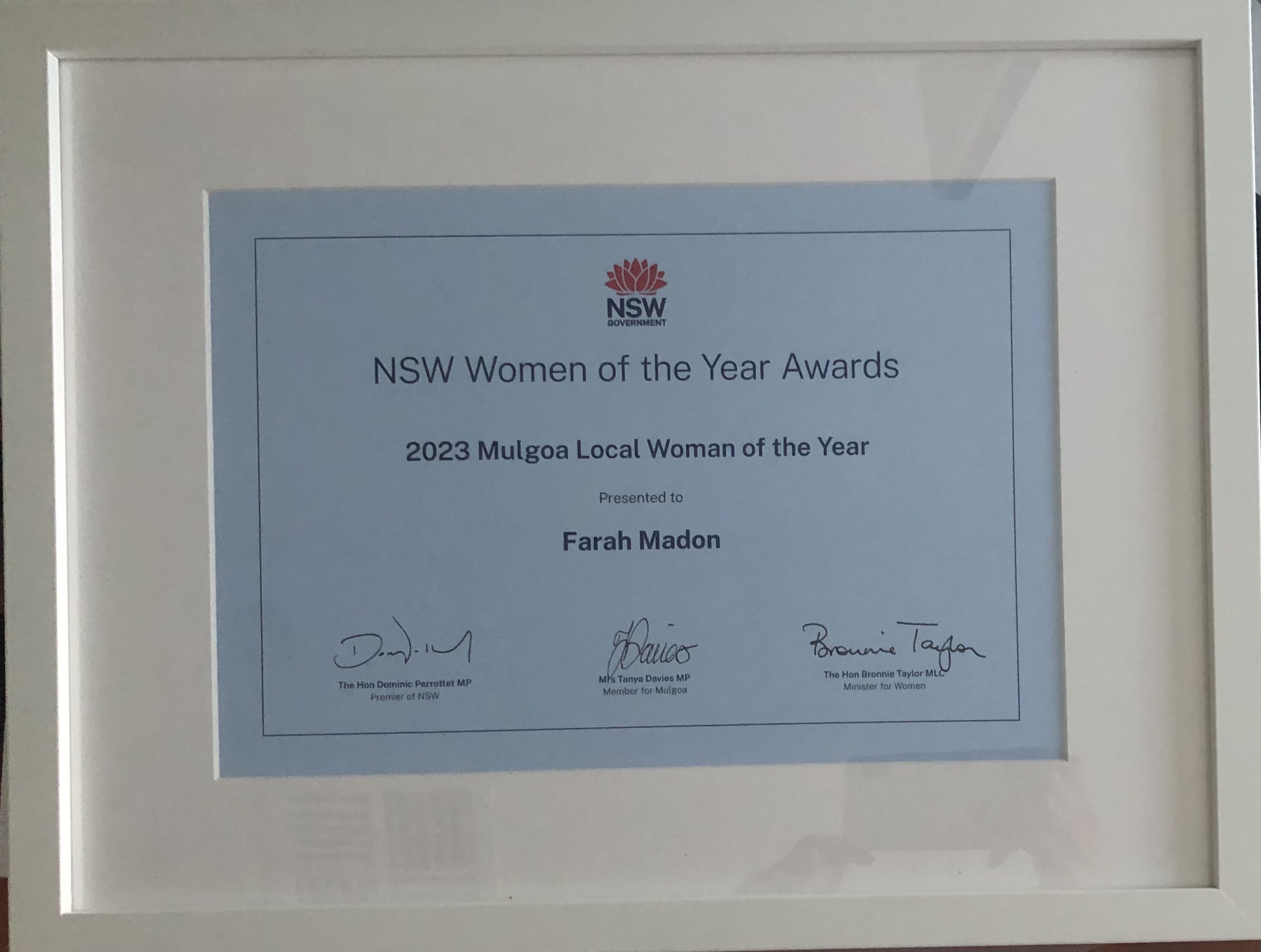
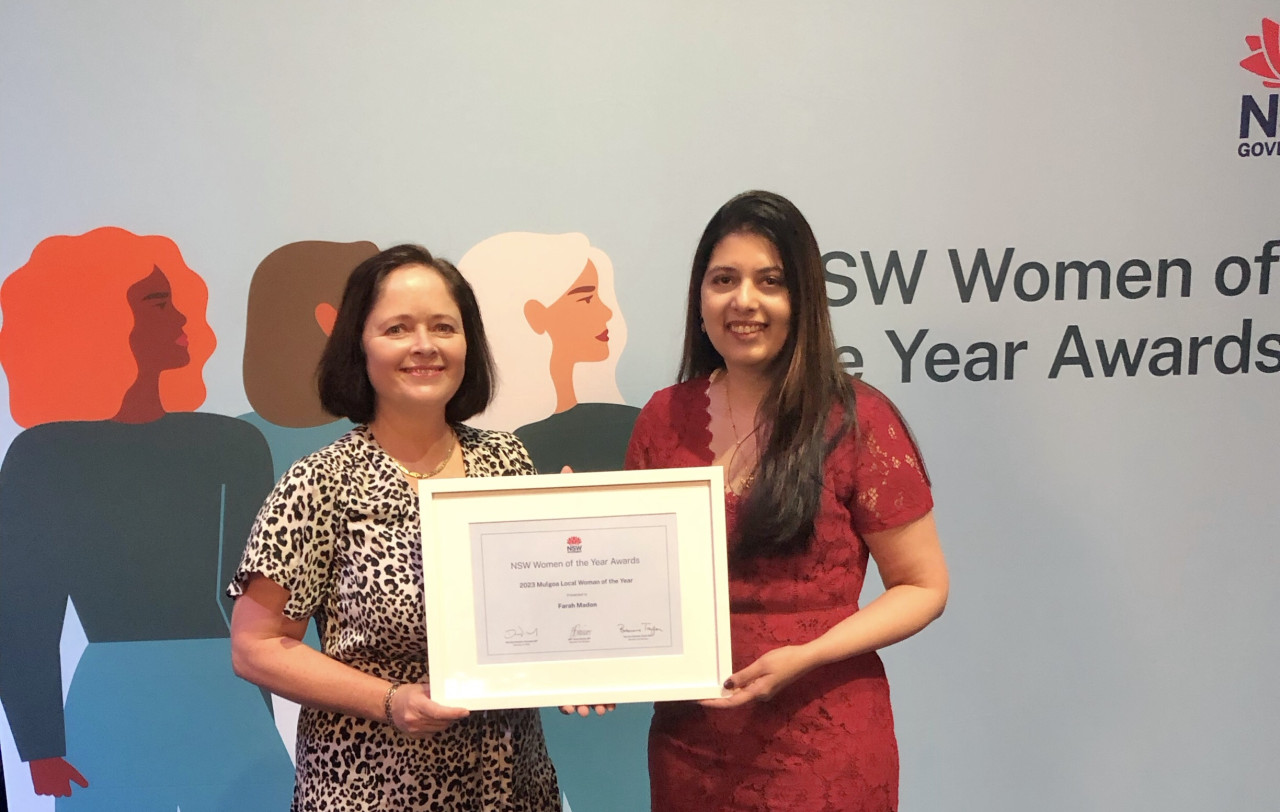
2023 Mulgoa Local Women of the Year awarded to Farah Madon

Farah Madon was included on the NSW Local Women of the Year Honour Roll and received the 2023 Mulgoa Local Woman of the Year Award. 

Text below from Mulgoa Valley Gazette

Farah Madon, an architect dedicated to making housing more accessible for those living with disabilities, has been awarded the Local Woman of the Year Award by Tanya Davies MP. The award recognises her significant contribution to the local community, Western Sydney, and her unwavering commitment to making the region more equitable. Member for Mulgoa, Tanya Davies, congratulated Farah on the honour and acknowledged her hard work for the region.

Farah’s contribution to our community is immeasurable. Her work as an architect is making a significant impact, ensuring that those living with disabilities have access to safe and secure housing. It’s a privilege to recognise her as Local Woman of the Year” Mrs Davies said.

Farah expressed gratitude for the recognition and emphasised the importance of accessible housing for people with disabilities. 

It’s an honour to be awarded local woman of the year, but more importantly, it’s an opportunity to raise awareness about the need for accessible housing. Everyone deserves to have access to safe and secure housing, regardless of their abilities. I’m grateful for this award, but there is still much work to be done,” Mrs Madon said.

The Local Woman of the Year Awards is an annual program which recognises and celebrates the support women give to their local communities throughout NSW. Minister for Women Bronnie Taylor congratulated all the Local Women of the Year Award recipients. “I would like to acknowledge their significant efforts to support their local communities and thank them for all the work they do.”

The Local Woman of the Year Awards are a way the NSW Government celebrates the achievements of women as part
of International Women’s Day on March 8. The NSW Women of the Year Awards was held at the International Convention Centre, Sydney on March 9, 2023.

[2023 NSW Local Woman Award winners]

  2943 Hits

UDIA National 2023 Awards for Excellence- Finalist

It gives us great pleasure to announce that our Paper Mill Precinct project is a finalist in the UDIA National 2023 Awards for Excellence in the Masterplanned Communities category.
The Paper Mill Precinct project was by our long standing client's Coronation Property.

Vista Access Architects provided Access Consultancy services as well as NDIS SDA (Specialist Disability Accommodation) related services for this project.

Congratulations to all those involved with this awesome project:

SJBWoods BagotASPECT StudiosCity Plan ServicesMecone - Urban Planning EWFWMance Arraj Engineering Pty Ltd

  2651 Hits

Preliminary findings of UTS Accessible Bathroom Research Project

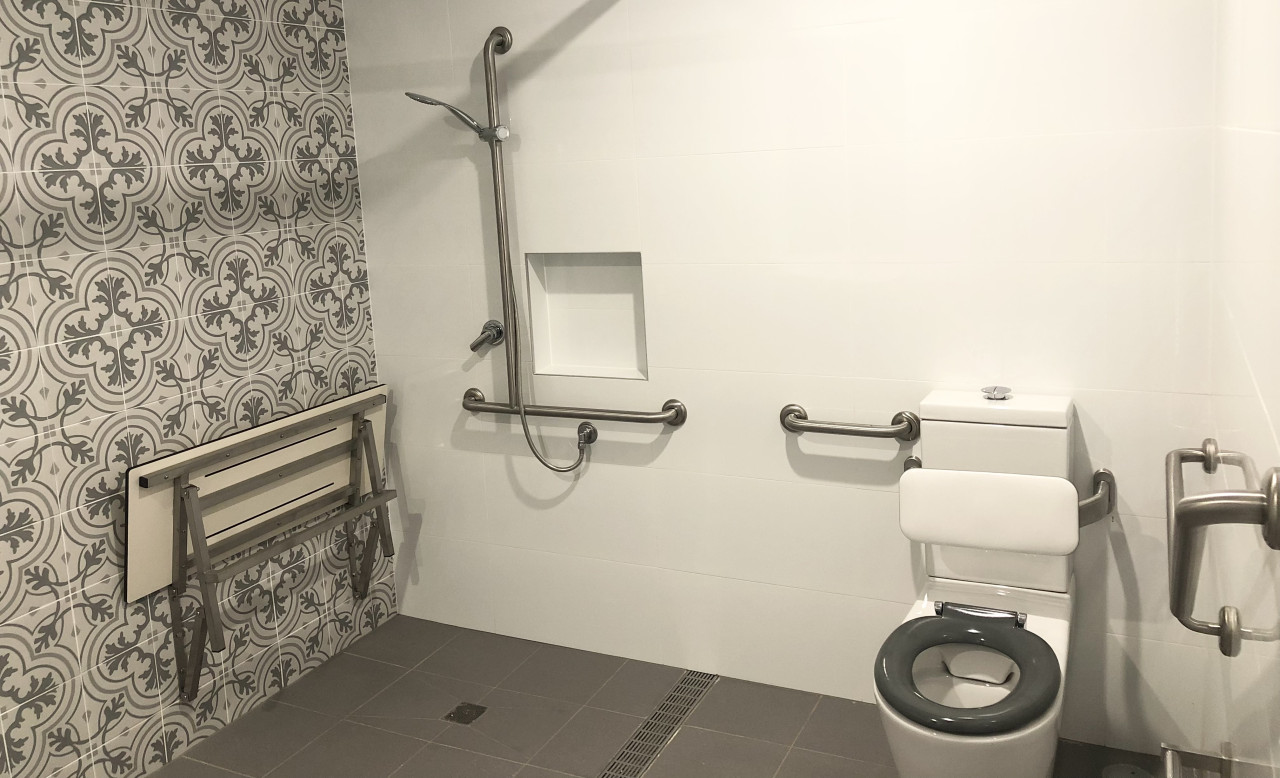
As a part of our social responsibility / pro-bono works, Vista Access Architects have been involved with an exciting research project with UTS (University of Technology Sydney). The project is led by Professor Sidney Newton, Professor Simon Darcy and Dr Phillippa Carnemolla with Farah Madon and Mark Relf as industry partners and partnership with PDCN and SCIA.
This project undertakes inclusive empirical research with/by the aged and disability community, in living laboratory (mobile/field) settings. The research will document (accurately 3D scan) in-place accessible bathroom designs; analyse individual use experiences (using sophisticated motion-capture and user biometrics); and listen to (discuss, survey and observe) lived experiences. 


The video link is of the feedback webinar held on Tues 8 November 2022, and describes the research undertaken and findings from the project, along with next steps for improving these spaces for those that use them.


  2934 Hits

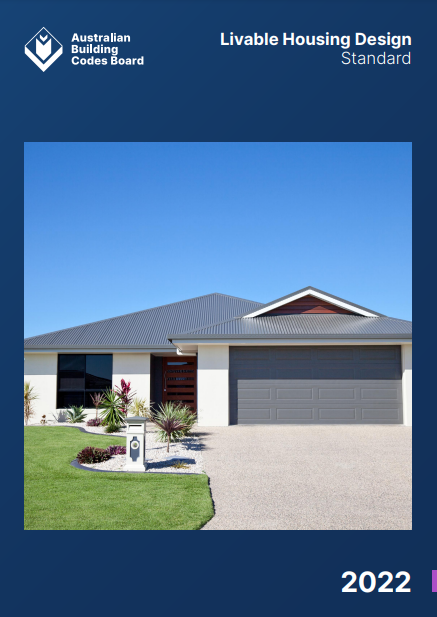
Updated 2022 NCC Livable Housing Design Standard released

Over the past 2 months, Farah Madon has been working on behalf of ACAA (Association of Consultants in Access Australia) with a small group of people including representatives from the building industry, design professionals, certifiers and accessibility advocates as part of the Livable Housing Implementation Advisory Committee (LHIAC) to ensure that the new NCC Livable Housing Design Standard is clear and compatible with existing provisions of the NCC.
A copy of the updated NCC Livable Housing Design Standard can be downloaded from here

The work of the LHIAC is now continues with a focus on ABCB guidance materials and education programs to support the new provisions. These additional materials will be available in early 2023.


  3020 Hits

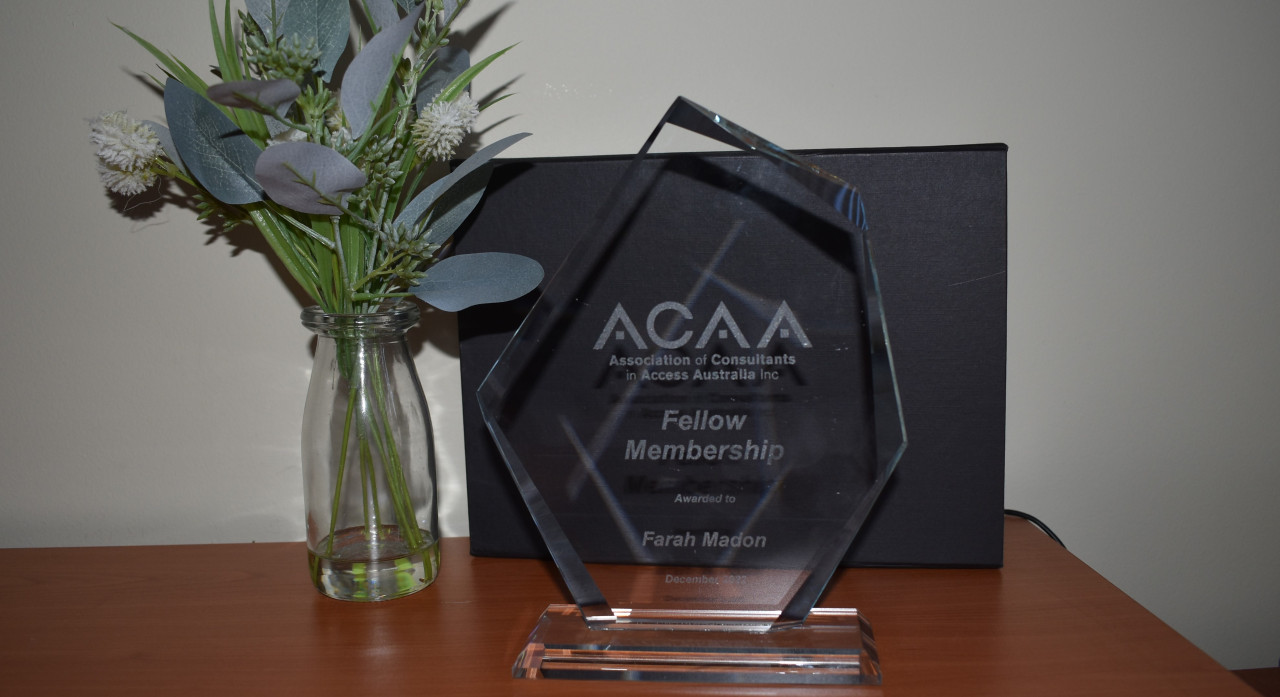
Farah Madon awarded ACAA Fellow Membership
Farah Madon awarded ACAA Fellow Membership
Farah Madon was awarded ACAA (Association of Consultants in Access Australia) Fellow membership at the 2022 ACAA AGM for her significant contribution to ACAA and to the field of disability access.

Farah has served as a management committee member of ACAA for numerous years since 2010 and is the current Vice President of ACAA. As part of the management committee, she has organised 4 (four) ACAA National Conferences and was the founding editor of the association's Access Insight magazine.

She has also represented ACAA on multiple committees such as Standards Australia Committee ME-064 responsible for the suite of Australian Standards AS1428, RAIA’s (Australian Institute of Architect's) National Enabling Architecture Group, NDIS SDA (Specialist Disability Accommodation) Reference Group and most recently on the ABCB's (Australian Building Codes Board's) LHIAC (Livable Housing Implementation Advisory Committee).

  2935 Hits

AS1428.1-2021- Technical article 2- Luminance Reflectance Value

Bite size technical article on AS1428.1-2021- Luminance contrast where one colour is known and you need to know what the contrasting colour needs to be, to comply with luminance contrast requirements for BCA/NCC or NDIS SDA (Specialist Disability Accommodation) requirements of SDA Design Standards for Improved Liveability.

Where LRV (Luminance Reflectance Value) of 2 (two) surfaces are known, calculating the difference in LRV is relatively simple via the Bowman-Sapolinski Equation. AS1428.1 and the SDA Design Standards state that for building elements such as doorways, a minimum of 30% luminance contrast is required between one of the following options:

  • door leaf and door jamb; or
  • door leaf and adjacent wall; or
  • architrave and wall; or
  • door leaf and architrave; or
  • door jamb and adjacent wall.

If you already know LRV of one surface for example the colour of the door, determining the actual value of LRV required for the other surface such as wall or door frame to achieve the 30% luminance contrast becomes more difficult; especially when there are 2 (two) possible answers.

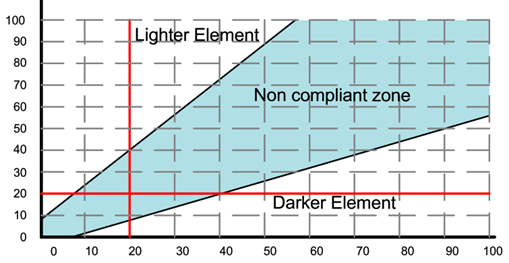
For example, let’s look at an LRV of 20. To achieve 30% luminance contrast with a colour of LRV 20, there are 2(two) possible options. A colour with LRV of approximately 7 or a colour of LRV of approximately 41 will both provide a luminance contrast of 30% with the colour of LRV 20 as demonstrated in the below graph (Figure B.1 of AS1428.1-2021)


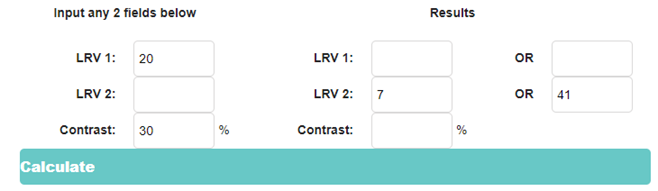
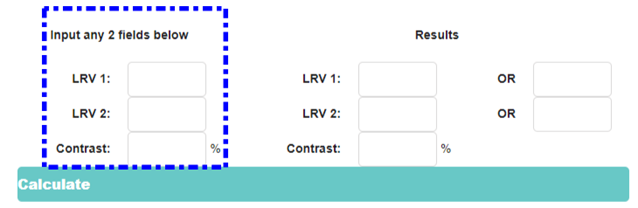
To simplify the calculations of finding the LRV when LRV of one colour is known, Vista Access Architects have a new Colour Selections Calculator on the website. https://www.accessarchitects.com.au/colour-selections-calculator

Step 1: To use the calculator input any 2 (two) fields highlighted in the section below.


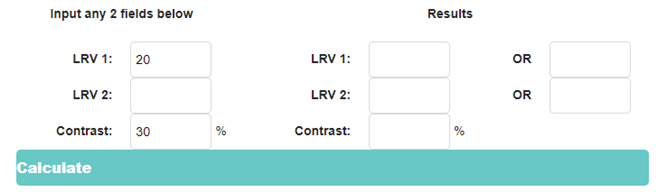
Step 2: Taking the same example of LRV of 20 with a 30% luminance contrast requirement, input 20 in LRV 1 section and 30% in the contrast section.


Step 3: Click on the Calculate bar and answers of both 7 and 41 are obtained because both 7 and 41 will achieve a luminance contrast of 30% with LRV of 20


It is important to note that the formula has been reverse engineered and because of the number of decimal points considered in the formula the answer will not always be accurate. We would advise aiming for a 35% luminance contrast where a minimum of 30% is required to allow for calculations and the finishes (i.e. gloss level) achieved on site.

All usual disclaimers apply. Use as your own risk.
  4584 Hits

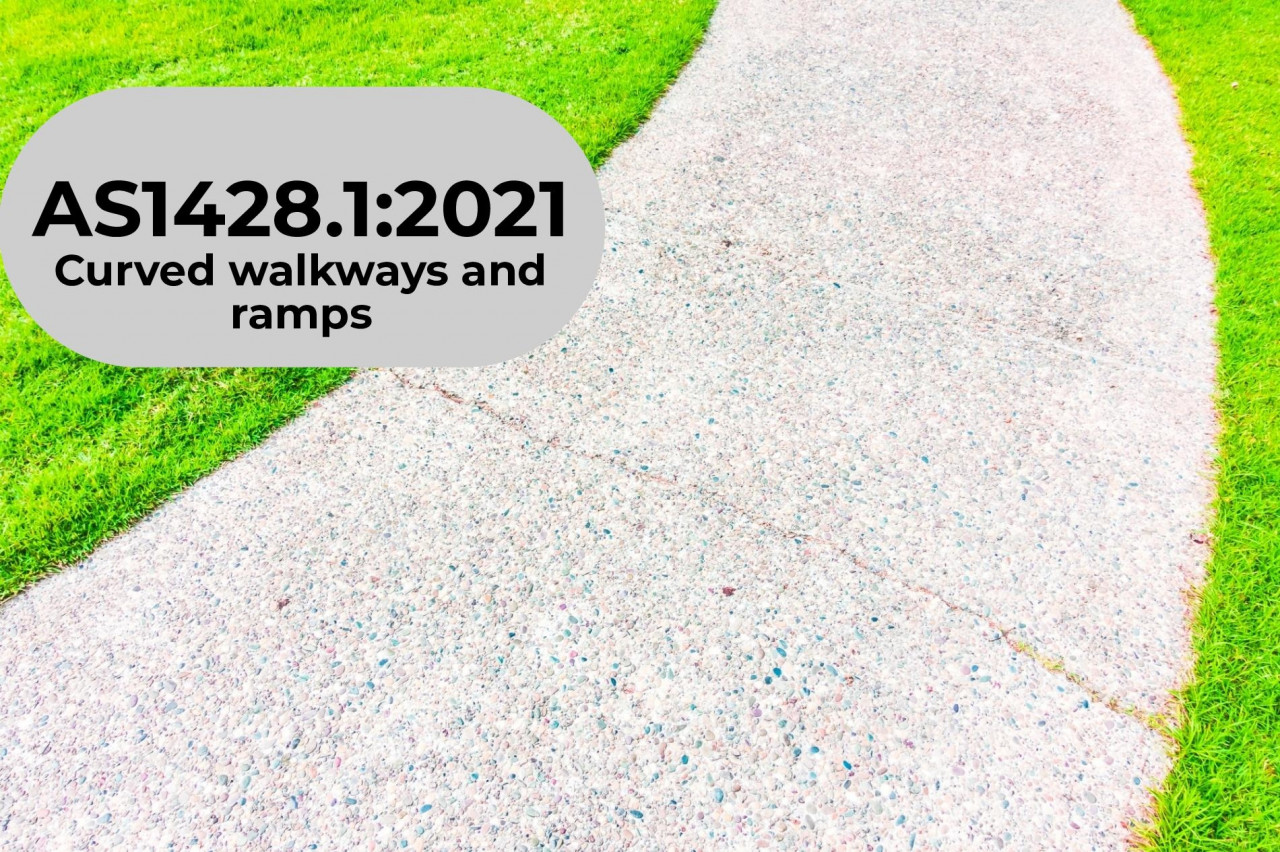
AS1428.1:2021- Technical article 1-Application of 1500mm clear width to Curved walkways/ramps


AS1428.1:2021- Bite size technical article 1 - Application of 1500mm clear width to Curved walkways and ramps

AS1428.1:2021 (Desing for Access and Mobility) Clause 7.4(f) Curved walkways, ramps and landings

The AS1428.1-2009 Clause 10.4 the following for curved walkways and landings requires:

  • Gradients (as per Figure 20)
  • Landings (as per Clause 10.8)
  • Length of curved ramp to be measured along its centreline
  • All curved ramps/ walkways to have a clear minimum width of 1500mm
  • Any crossfalls to be towards the centre of curvature

The clause caused confusion in the following areas:

  1. What is the definition of a 'curved' walkway or ramp? Would say a gentle 20M radius walkway still be considered to be a ‘curve’ and require 1500mm clear width?
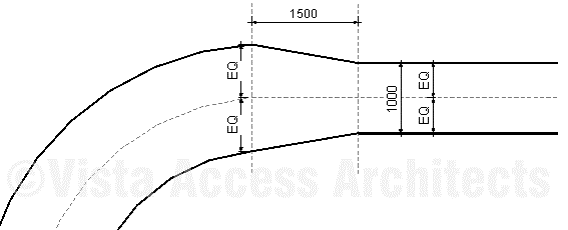
  2. What would the junction of a 1000mm straight walkway with a 1500mm curved walkway look like?

To clarify this the AS1428.1:2021 has been updated to state the following:

  • The curved ramps are now defined as being maximum inside radius of 5M. Therefore, any curved ramps that have an internal radius of more than 5M need not provide a clear width of 1500mm but can remain a minimum of 1000mm.
  • At the junction of a straight walkway / ramp and a curved walkway / ramp, a 1500mm long straight landing is required which:
  1. Intersects with each other along the centreline
  2. The change in width from 1000mm (straight component) to 1500mm (curved component) is to be accommodated within the length of the 1500mm long straight landing.


Stone path photo created by mrsiraphol- Freepik

  12646 Hits

Master Builders NSW, Award - William Clarke College

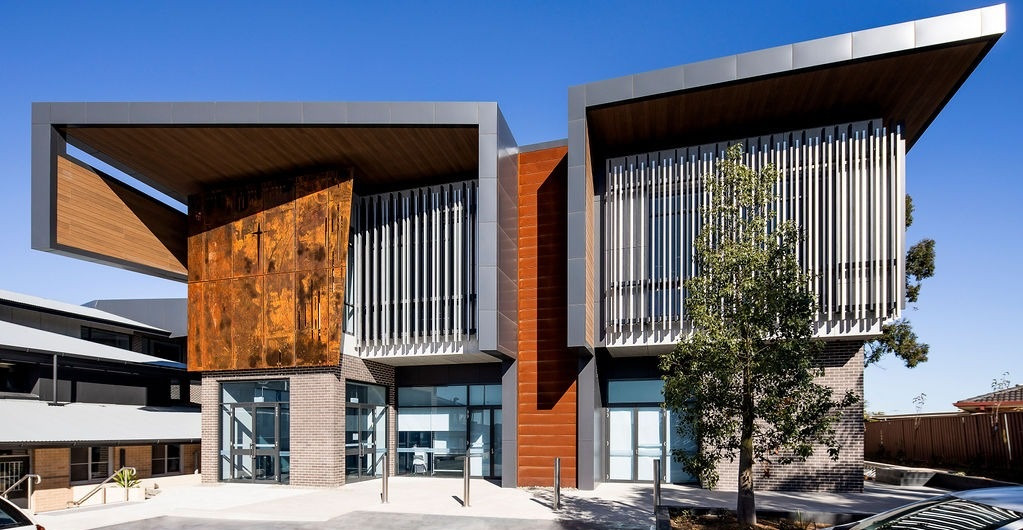
William Clarke College Vista Access Architects were the Access Consultants for William Clarke College that has been awarded the Master Builders NSW, Excellence in Construction Award. Our congratulations to Architects PMDL Architecture + Design and The Rohrig Group.

Photos courtesy of The Rohrig Group post on Linkedin

  3540 Hits